Rock liveforever Care (Dudleya ingens)

Also known as: Baja Liveforever
Rock liveforever

About Rock liveforever

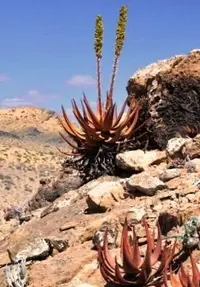
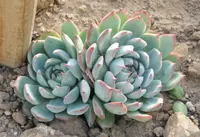
Rock liveforever, Dudleya ingens, is a rosette-forming succulent native to rocky coastal slopes of northwestern Baja California, Mexico. It stores water in thick, glaucous leaves, which helps it survive long dry periods.

Plants usually grow as solitary or clustered rosettes with upright flower stalks carrying small, starry blossoms. This slow growth and compact habit makes it attractive for rock gardens and containers.

It can be moderately challenging to grow outside its native climate, as it dislikes summer water, poor airflow, and heavy, rich soil. Understanding how to care for Rock liveforever starts with providing strong light, sharp drainage, and careful watering that allows the roots to dry between drinks.

Main Plant Requirements

Care Difficulty

Hard Care

Light Preference

Full Sun

Water Requirements

Low Water

Temperature Preference

Warm Climate

Hardiness Zone

9–11

Soil Texture

Sandy, Rocky

Soil pH

Slightly acidic (6.5–7.0), Neutral (7.0)

Soil Drainage

Well-drained

Fertilization

Minimal (feed rarely)

Get Personalized Care Plan

Scan your plant to receive care tips personalized for your specific plant

Available on iOS and Android

How to Care for the Rock liveforever

This coastal succulent needs strong light but benefits from protection during the hottest part of the day.

  • Provide 6–8 hours of direct sun in cool, coastal climates, or bright morning sun with light afternoon shade in hotter inland sites.
  • Tolerates light or dappled shade for part of the day, but prolonged low light causes stretched, pale rosettes and weaker leaves in Rock liveforever.
  • In summer, shield from intense mid-afternoon sun to prevent leaf scorch; in winter, choose an open exposure so the plant receives as much low-angle sun as possible.

This species is a dry-climate succulent that prefers infrequent but deep watering in fast-draining soil.

  • Allow the top 3–5 cm of soil to dry completely before watering; in native-like outdoor beds this often means watering only after a thorough dry spell.
  • Increase watering slightly in active spring growth if leaves start to wrinkle, then reduce to very sparse watering or none in the hottest, dry summer dormancy.
  • Use sharply draining, gritty soil and avoid standing water, as Dudleya ingens is prone to root rot; swollen, translucent leaves signal overwatering, while thin, floppy leaves indicate underwatering.

This succulent prefers mild, frost-free conditions with cool, bright winters and dry, warm summers.

  • Optimal growth occurs around 60–75°F (16–24°C), especially in cooler, bright spring and early summer weather.
  • It tolerates brief drops to about 28–30°F (-2– -1°C) if soil is dry, but repeated hard frost or freezing, wet conditions can damage rosettes and roots.
  • Handles dry heat up to 90–95°F (32–35°C) if shaded from harsh afternoon sun; during heatwaves, prioritize airflow and completely avoid overhead watering in the hottest part of the day.

Humidity is rarely a concern for this coastal succulent, which prefers dry air.

  • Aim for 20–50% humidity, similar to a dry indoor room or breezy outdoor conditions.
  • Rock liveforever tolerates very dry air; persistent humidity above 60% increases rot risk on leaves and roots.
  • Watch for soft, translucent patches or blackened leaf bases as signs of excess humidity combined with poor airflow.

Use a very fast-draining, mineral-heavy mix that mimics rocky coastal slopes.

  • Choose a gritty, sandy mix with at least 60–80% mineral content such as pumice, coarse perlite, and sharp sand, with only a small amount of fine material.
  • Ensure excellent drainage; water should run through in seconds and the mix should dry within 1–3 days in Dudleya ingens conditions.
  • Keep pH slightly acidic to neutral, around 6.0–7.0, which supports nutrient availability without stressing roots.
  • Avoid peat-heavy, compact, or moisture-retentive mixes that stay wet or form clumps, since these quickly lead to root and crown rot.

This species is suitable for container growing if drainage and airflow are prioritized.

  • Use a wide, shallow clay or terracotta pot to keep the root zone airy and prevent moisture buildup around the crown.
  • Choose a container shape that allows leaves to hang over the rim so water cannot pool against the rosette base.
  • Place the pot on pot feet or a stand so drainage holes stay clear and air can move under the container after watering.

Dudleya ingens is adapted to lean soils, so any feeding must stay light and infrequent when caring for Rock liveforever.

  • Use a very dilute balanced liquid fertilizer (around 1/4 strength, low NPK such as 3-1-2) during active spring growth only.
  • Feed once every 4–6 weeks in the growing season if leaves look pale or growth is weak.
  • Avoid compost-rich mixes or slow-release pellets, which can hold excess moisture and salts around the roots.
  • Stop all fertilizing in summer dormancy and winter to prevent soft, rot-prone growth.

Dudleya ingens needs minimal pruning, focused on cleanliness rather than reshaping the rosette.

  • Best time to tidy is late winter to early spring, just before strong new growth begins.
  • Remove dead, dried, or diseased leaves at the base with clean fingers or small snips.
  • Trim only clearly damaged or decayed tissue to keep the rosette compact and reduce rot risk.
  • Disinfect blades with alcohol between plants to limit disease spread in collections.

Container-grown Dudleya ingens benefits from rare but careful repotting that disturbs the roots as little as possible.

  • Look for roots circling the pot, pushing through drainage holes, or unexplained slow growth as cues to repot.
  • Plan repotting for early spring, every 3–5 years, before the main growth flush and after winter rains.
  • Use a shallow, wide pot with very fast-draining mineral mix, keeping the root ball largely intact.
  • Handle the rosette gently, avoid burying the crown, and keep soil just barely moist for 1–2 weeks to limit shock.

Dudleya ingens is usually propagated by seed or careful offsets and needs specific dryland conditions to succeed.

  • Sow fresh seed in late fall to early winter on a gritty, well-draining mix kept lightly moist, not wet.
  • Provide bright, indirect light and cool conditions (50–65°F) to encourage slow, steady germination.
  • If offsets form, detach in late winter, allow cut surfaces to callus for several days, then set on dry mix.
  • Water new plants very sparingly, allowing the substrate to dry fully between light waterings.

This species prefers mild, dryish winters and is not suited to prolonged hard freezes or wet cold.

  • In-ground plants handle light frost but struggle below about 25°F, especially in saturated soil.
  • In cold or wet climates, grow in containers that can be moved under a bright, frost-free shelter.
  • Keep winter soil on the dry side; avoid standing water around the crown and roots.
  • Do not use heavy mulch against the rosette, which can trap moisture and increase rot risk.

Care Tips

Summer heat protection

In very hot inland climates, move container plants to a position with strong morning sun and light afternoon shade in mid-summer to prevent leaf scorching and stress to the rosette.

Winter rain shielding

In regions with cool, wet winters, place pots under a clear roof overhang or use a simple transparent cover that allows full light but keeps prolonged rain off the leaves and crown to reduce rot risk.

Rocky top-dressing

Top-dress the soil surface with a 1–2 cm layer of coarse pumice or small gravel to keep the crown dry, stabilize the plant, and mimic the rocky crevices it naturally anchors into.

Careful offset handling

When separating offsets, wait until they have formed a visible root system, then detach with a sterilized knife and allow the cut surfaces to dry for 3–5 days before replanting into dry, gritty mix.

Rootzone air circulation

Use wide, shallow clay pots with multiple drainage holes to promote rapid drying and airflow around the roots, which supports long-term health when growing Rock liveforever in non-native climates.

Common Pests and Diseases

Mealybugs

This pest hides in leaf bases and between tightly packed rosettes, sucking sap and weakening the plant over time. Symptoms include white cottony clusters, distorted new growth, and sticky honeydew that can attract sooty mold.

Solution

Isolate the plant, then use a strong stream of water or a soft brush with diluted insecticidal soap to dislodge mealybugs from between leaves, repeating weekly until no new clusters appear. Keep the rosette dry between treatments and avoid overfertilizing, which can encourage soft, mealybug-prone growth.

Aphids

These insects often colonize young flower stalks and tender rosette centers, feeding on sap and causing curling or stunted growth. Symptoms include clusters of small soft-bodied insects, shiny honeydew, and sometimes ant activity around the plant.

Solution

Rinse aphids off with a firm water spray, focusing on flower stems and inner rosettes, then follow with a light application of insecticidal soap or horticultural oil if needed. Limit high-nitrogen fertilizer and keep plants in bright, airy conditions to reduce repeated infestations.

Snails and slugs

This pest is attracted to the fleshy leaves, especially on outdoor or in-ground plants, and feeds at night. Symptoms include irregular holes, chewed leaf edges, and silvery slime trails on or around the rosette.

Solution

Hand-pick snails and slugs in the evening, use copper tape or rough barriers around containers, and remove nearby hiding spots such as dense mulch or debris. In wetter areas, deploy iron phosphate bait around but not directly touching the plant to reduce populations without harming the succulent.

Fungal leaf spots

This disease occurs mainly in humid or poorly ventilated conditions when water sits on the leaves, leading to small dark spots that may enlarge and scar the foliage. Symptoms include localized lesions on outer leaves and sometimes a yellow halo around affected tissue.

Solution

Remove and discard heavily spotted leaves, then improve airflow and reduce overhead watering so the rosettes dry quickly. If conditions remain humid, apply a sulfur-based or copper-based fungicide labeled for succulents as a preventive measure, avoiding treatment during intense sun to prevent leaf burn.

Crown rot

This disease develops when water accumulates in the rosette or soil stays damp and cool for extended periods, allowing rot-causing fungi or bacteria to attack the central growing point. Symptoms include a mushy, discolored crown, collapsing leaves near the center, and a foul odor from decaying tissue.

Solution

At early stages, cut away all soft, decayed tissue with a sterile knife and allow the remaining healthy parts to dry in bright, indirect light, then re-root only firm, clean offsets or rosette sections in a very fast-draining mineral mix. Long term prevention depends on excellent drainage, minimal summer watering, and positioning the plant where water does not pool in the rosette.

Interesting Facts

Baja California endemic

This species occurs naturally only on rocky coastal and inland slopes of northern Baja California, Mexico, where it forms scattered colonies on cliffs and steep, well-drained outcrops.

Impressive rosette size

Mature plants can develop solitary or few-headed rosettes over 30 cm across, making them one of the larger members of the Dudleya group in their native range.

Summer-dormant strategy

In its habitat, this species often slows growth and may shed older leaves during the hottest, driest months, an adaptation that reduces water loss during seasonal drought.

Botan icon

Did you know?

Wild populations are threatened in part by illegal collection for the horticultural trade, and conservation efforts now emphasize protecting plants in habitat and encouraging propagation from nursery-grown stock rather than removing them from the wild.

FAQs about Rock liveforever

Flowering is reduced by too much shade, excess summer water, very rich soil, or frequent disturbance. This species blooms best when kept relatively dry in summer, in high light, and not repotted or divided too often.

Grow Healthy Plants with Botan Care

Keep your plants happy and healthy with plant identification, disease detection, and easy care guidance.

Botan plant care app — identify plants on mobile

Explore More Plants