Khaki Button Care (Crassula columnaris)

Also known as: Buddha's temple
Khaki Button

About Khaki Button

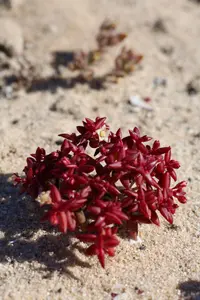
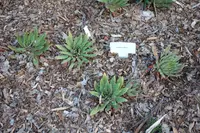
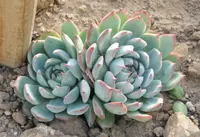
Khaki button, Crassula columnaris, is a compact succulent from arid regions of South Africa and Namibia. It forms tight vertical columns of stacked, rounded leaves. Each column stays small and geometric, often resembling a miniature tower with patterned leaf edges that protect the plant from harsh sun and water loss. The growth is slow, which makes it suitable for small containers and windowsill collections. This species adapts well indoors if it receives strong light, very well-drained soil, and infrequent watering. With attention to dryness and light, it is not difficult to care for Khaki Button.

Main Plant Requirements

Care Difficulty

Moderate Care

Light Preference

Full Sun

Water Requirements

Low Water

Temperature Preference

Tropical / Frost Sensitive

Hardiness Zone

10–11

Soil Texture

Sandy, Rocky, Loamy

Soil pH

Slightly acidic (6.5–7.0), Neutral (7.0)

Soil Drainage

Well-drained

Fertilization

Minimal (feed rarely)

Get Personalized Care Plan

Scan your plant to receive care tips personalized for your specific plant

Available on iOS and Android

How to Care for the Khaki Button

This compact South African succulent needs strong light to stay tight and colorful.

  • Provide 4–6 hours of direct morning sun plus bright light the rest of the day; east or southeast exposure suits Khaki Button well.
  • Tolerates light afternoon sun in mild climates, but in hot, dry summer regions protect from harsh midday/late-afternoon rays to avoid leaf scorch.
  • If columns stretch, lean, or lose patterning, light is too low; move to a brighter spot, especially in winter when days are shorter.

This species is highly drought tolerant and must dry well between waterings.

  • Water only when the top 2–4 cm of soil are completely dry; in cool seasons this may mean long gaps between waterings.
  • Use very fast-draining, gritty soil so water runs through quickly and roots do not sit in moisture, which encourages rot.
  • Overwatering shows as soft, yellowing, or translucent leaves, while severe wrinkling and shriveling signal that Crassula columnaris needs a thorough soak.

This desert-adapted succulent prefers warm, dry conditions with cool but not freezing nights.

  • Aim for 65–80°F (18–27°C) during active growth, with good light and low humidity for compact, firm columns.
  • Protect from frost; damage occurs below about 32°F (0°C), and prolonged exposure under 40°F (4°C) can cause root and tissue problems.
  • In heat above 90°F (32°C), give extra airflow and light shade during the hottest hours to reduce stress and prevent sunburn.

This compact South African succulent prefers dry air and does not need extra humidity control indoors.

  • Aim for 30–50% relative humidity, typical of heated or air-conditioned homes.
  • Plants tolerate drier air well; avoid placing them near humidifiers or terrariums.
  • If air is extremely dry and leaf tips shrivel, move the Khaki Button away from direct hot drafts rather than adding moisture.

This species needs a very fast-draining, mineral-based substrate to prevent root and stem rot.

  • Use a gritty, sandy mix such as 50–70% inorganic components (pumice, coarse perlite, or grit) blended with 30–50% cactus potting mix.
  • Maintain a loose, open texture so water runs through in seconds and the root zone dries within 1–2 days.
  • Aim for slightly acidic to neutral pH around 6.0–7.0, which standard cactus mixes usually provide.
  • Avoid dense peat-heavy or moisture-retentive soils; if existing mix feels compacted, increase coarse mineral content to improve aeration.

This species is well suited to container growing due to its compact, shallow root system.

  • Choose a shallow, wide pot so the roots stay close to the surface and the column clusters have room to spread without crowding.
  • Select unglazed terracotta if possible, as it allows faster evaporation and reduces the risk of wet, stagnant soil.
  • Ensure drainage holes are fully exposed and keep the saucer empty so excess water exits quickly and does not wick back into the pot.

This compact succulent needs only light feeding to stay healthy, so focus on restraint rather than routine fertilization when caring for Khaki Button.

  • Use a balanced, low-nitrogen succulent fertilizer (for example 2-7-7) diluted to 25–50% strength.
  • Feed once every 4–6 weeks during the active growing season in spring and early summer.
  • Skip compost-heavy mixes and choose a mineral, low-organic medium to avoid root rot risk.
  • Withhold fertilizer in fall and winter when growth is slow or dormant.

Pruning Crassula columnaris is minimal and mainly done to maintain health and a compact form.

  • Best timing is late winter to early spring, just before active growth resumes.
  • Remove dried, shriveled columns and any dead or diseased tissue with clean, sharp scissors or snips.
  • Cut only at natural joints, avoiding deep cuts into healthy, firm tissue to limit scarring.
  • Light shaping can improve symmetry, but heavy pruning may weaken the plant.

This slow-growing succulent prefers infrequent repotting and a stable root environment.

  • Repot every 3–4 years, or when roots circle the pot, drainage slows, or growth stalls.
  • Plan repotting for late winter to early spring so Crassula columnaris can recover as growth starts.
  • Use a shallow pot with excellent drainage and a gritty cactus/succulent mix with high mineral content.
  • Minimize root disturbance, gently loosen circling roots, and keep the plant slightly dry for 3–5 days after repotting.

Propagation of this species is possible but slower than many common succulents and requires controlled conditions.

  • Use offsets or stem sections that form at the base; allow cut surfaces to callus for several days.
  • Best season is spring, when warmth and lengthening days support new root formation.
  • Place cuttings upright in a very gritty, barely moist medium under bright, indirect light.
  • Seed propagation is possible but slow; keep seeds on the surface, evenly lightly moist, and warm at 70–75°F.

This succulent is not fully frost hardy and benefits from careful winter management, especially in cold climates.

  • Keep outdoor plants above 32°F; extended frost can damage or kill tissues.
  • In cold regions, grow in containers and move indoors to a bright, cool, and dry location for winter.
  • Reduce watering significantly in winter so the root zone stays dry and less prone to rot.
  • Avoid cold drafts and sudden temperature swings that can stress the compact columns.

Care Tips

Rotate Pot Regularly

Turn the pot 1/4 turn every 2–3 weeks so the columnar stems receive light evenly on all sides and develop straight, compact stacks instead of leaning toward the window.

Bottom-Watering Routine

Place the pot in a shallow tray of water for 10–15 minutes, then drain fully; this keeps the tight leaf columns dry from above and reduces the risk of rot between closely packed leaves.

Use Top Dressing

Add a 0.5–1 cm layer of coarse grit or small gravel on the soil surface to keep the neck of the plant dry, limit algae growth, and stabilize the narrow columns.

CarefulRepot Timing

Repot only when roots clearly fill the container and do so at the start of its main growth phase, disturbing the root ball as little as possible to prevent stress to the dense leaf columns.

Dormancy Adjustment

During the plant’s rest period, reduce handling and keep the pot in a stable, bright location, as frequent moving or repotting during dormancy can interrupt its natural cycle and complicate caring for Khaki Button.

Common Pests and Diseases

Mealybugs

This pest often hides between the stacked leaf segments, appearing as white, cottony clumps and causing yellowing and stunted growth. Symptoms include sticky honeydew and sooty mold on nearby tissue or pots.

Solution

Remove visible insects with a cotton swab dipped in 70% isopropyl alcohol, then rinse the plant gently with lukewarm water and allow it to dry in bright, airy conditions. For heavier infestations, repeat alcohol spot-treatments weekly and use a labeled insecticidal soap, taking care not to soak the compact crown for long periods.

Aloe/mite rust

This disease appears as small, orange to brown rust-like spots or patches on the tightly packed leaves, often starting near the base where moisture lingers. Symptoms include localized tissue collapse and slow deformation of the column over time.

Solution

Remove and discard the most affected leaves or entire columns, then keep the plant in a drier, well-ventilated spot with good light. Avoid overhead watering, keep the foliage completely dry, and if spread continues, apply a sulfur-based fungicide labeled for succulents following package directions.

Fungal stem rot

This disease starts at the base of the stacked column where excess moisture accumulates, causing blackened, soft tissue and eventual collapse of the entire column. Symptoms include a water-soaked appearance and a sour or musty odor near the soil line.

Solution

Cut away all affected tissue with a sterile blade back to firm, healthy material and discard the rotten parts, then let the remaining healthy section callus for several days before replanting in a very fast-draining mineral mix. Reduce watering frequency, ensure the pot has excellent drainage, and keep the plant in a bright, dry position to prevent recurrence.

Soft scale

This pest appears as small, tan to brown dome-shaped bumps along the leaf margins and stems, drawing sap and weakening the plant. These insects excrete honeydew that can attract ants and lead to sooty mold.

Solution

Gently scrape or wipe off individual scales with a cotton swab or soft brush dipped in 70% isopropyl alcohol, then rinse the plant lightly to remove residues. For persistent cases, use an insecticidal soap or horticultural oil applied carefully to the affected areas only, and keep the plant in strong light to support recovery.

Leaf spot

This disease causes small, sunken brown or dark purple spots on individual leaves, often following brief periods of high humidity or overhead watering. Symptoms include localized scarring that can disfigure the compact column over time but rarely spreads rapidly in dry conditions.

Solution

Remove affected leaves or sections to reduce inoculum, then adjust care to keep the foliage dry and improve air movement around the plant. Water only at the soil level in the morning, avoid crowding with other plants, and if spotting continues, apply a copper-based or other labeled succulent-safe fungicide sparingly.

Interesting Facts

Stacked leaf columns

The plant forms dense, vertical columns of opposite leaves tightly stacked in four ranks, creating a geometric, button-like tower that minimizes exposed surface in its arid habitat.

Rain-triggered blooming

In habitat, it produces its small, tubular flowers primarily after seasonal rains, using the brief moist period to complete flowering and seed set before dry conditions return.

Camouflage in habitat

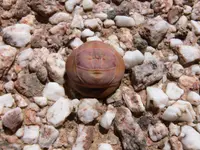
Populations growing in South African quartz and gravel fields often match the surrounding stones in color and texture, which helps reduce herbivory by making the plants less visible.

Botan icon

Did you know?

Crassula columnaris is so specialized for its arid, high-radiation environment that many individuals grow almost flush with the soil surface, with only the leaf tips exposed, while the rest of the plant body remains partly buried and buffered against heat and water loss.

FAQs about Khaki Button

This species stays compact and controlled indoors where light and watering are easier to manage. Outdoors, it only thrives in very dry, frost‑free climates. For most homes, Khaki Button indoor care provides the most reliable long‑term success.

Grow Healthy Plants with Botan Care

Keep your plants happy and healthy with plant identification, disease detection, and easy care guidance.

Botan plant care app — identify plants on mobile

Explore More Plants