Encourage Compact Growth
Pinch back soft stem tips in early spring to keep plants low and dense, which helps prevent older clumps from opening up or becoming leggy on rock walls and in containers.

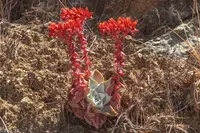
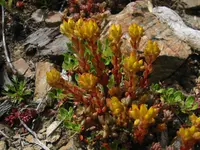
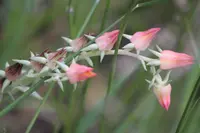
Roseflower stonecrop (Sedum laxum) is a small, mat-forming succulent from rocky slopes and outcrops in western North America. It typically grows as low rosettes with fleshy leaves and short clusters of starry pink to rose flowers. The plant stores water in its leaves, which helps it tolerate short dry spells and lean, fast-draining soils. Its compact growth habit and drought tolerance make it suitable for rock gardens, green roofs, and containers. In general, it prefers bright light, modest watering, and gritty soil. These traits usually make it straightforward for gardeners learning how to care for roseflower stonecrop.

Care Difficulty
Easy Care

Light Preference
Full Sun

Water Requirements
Low Water

Temperature Preference
Cold Hardy

Hardiness Zone
5–9

Soil Texture
Sandy, Loamy, Rocky

Soil pH
Slightly acidic (6.5–7.0), Neutral (7.0)

Soil Drainage
Well-drained

Fertilization
Minimal (feed rarely)
Scan your plant to receive care tips personalized for your specific plant
Available on iOS and Android
This low-growing succulent prefers bright, direct light but tolerates some shade in hotter climates.
This drought-tolerant species prefers infrequent, deep watering and fast-draining soil.
This hardy succulent thrives in cool to warm conditions and tolerates some frost once established.
Sedum laxum handles a wide humidity range and usually needs no special adjustment indoors or outdoors.
Sedum laxum prefers fast-draining, mineral-rich soil that dries quickly between waterings.
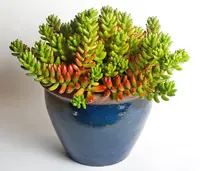
This species is well suited to container growing, especially in shallow, wide pots.
Sedum laxum grows well in lean soils and needs only light feeding in cultivation.
Pruning Sedum laxum is mainly cosmetic and maintains a tidy, compact mat.
Sedum laxum is usually grown in the ground and rarely needs frequent repotting in containers.
Sedum laxum is commonly propagated to expand groundcover patches or share plants.
Sedum laxum is generally cold hardy and needs little winter attention in the ground in most temperate climates.

Plant Health Check
Not sure what's wrong with your plant? Check your plant's health inside the app.
This species is native to rocky slopes and serpentine outcrops from southwestern Oregon to northern California, where it forms small mats in open, well-drained, often nutrient-poor sites.
Sedum laxum shows notable variation in leaf shape and size between coastal and inland populations, which botanists consider an adaptation to differences in moisture, wind exposure, and solar intensity.
It produces loose clusters of star-shaped, pink to reddish flowers in late spring to early summer, providing an early nectar source for small native bees and flies in its range.

Sedum laxum has been documented tolerating metal-rich serpentine soils that limit many other species, making it a useful indicator of these geologically unusual substrates in parts of its native range.
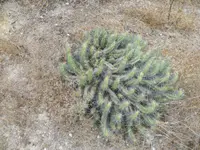
This species spreads slowly by short stems and rosettes, forming loose mats rather than fast-running patches. It usually stays contained, though small pieces can root nearby. Occasional thinning keeps edges neat in mixed plantings.
Keep your plants happy and healthy with plant identification, disease detection, and easy care guidance.