Best Soil for Lucky Bamboo (Dracaena sanderiana)

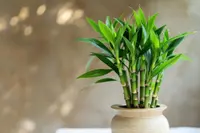
A loose, moisture-retentive mix helps Dracaena sanderiana maintain healthy roots without staying heavy or airless.

Soil Texture

Loamy, Organic-rich

Soil pH

Slightly acidic (6.5–7.0), Neutral (7.0)

Soil Drainage

Moist but well-drained

Dracaena sanderiana Soil Guide

Native to tropical West and Central Africa, Dracaena sanderiana grows in warm, humid conditions where moisture is available but roots are not trapped in stagnant soil. That background explains its preference for a loose, organic-rich substrate that stays lightly moist while still allowing air to move around the roots.

The best soil for Lucky Bamboo is loamy to slightly sandy in texture, with enough fine material to hold moisture and enough structure to drain well. Its roots are relatively fine and benefit from steady moisture, oxygen, and a mildly acidic to neutral soil environment rather than dense, compacted media.


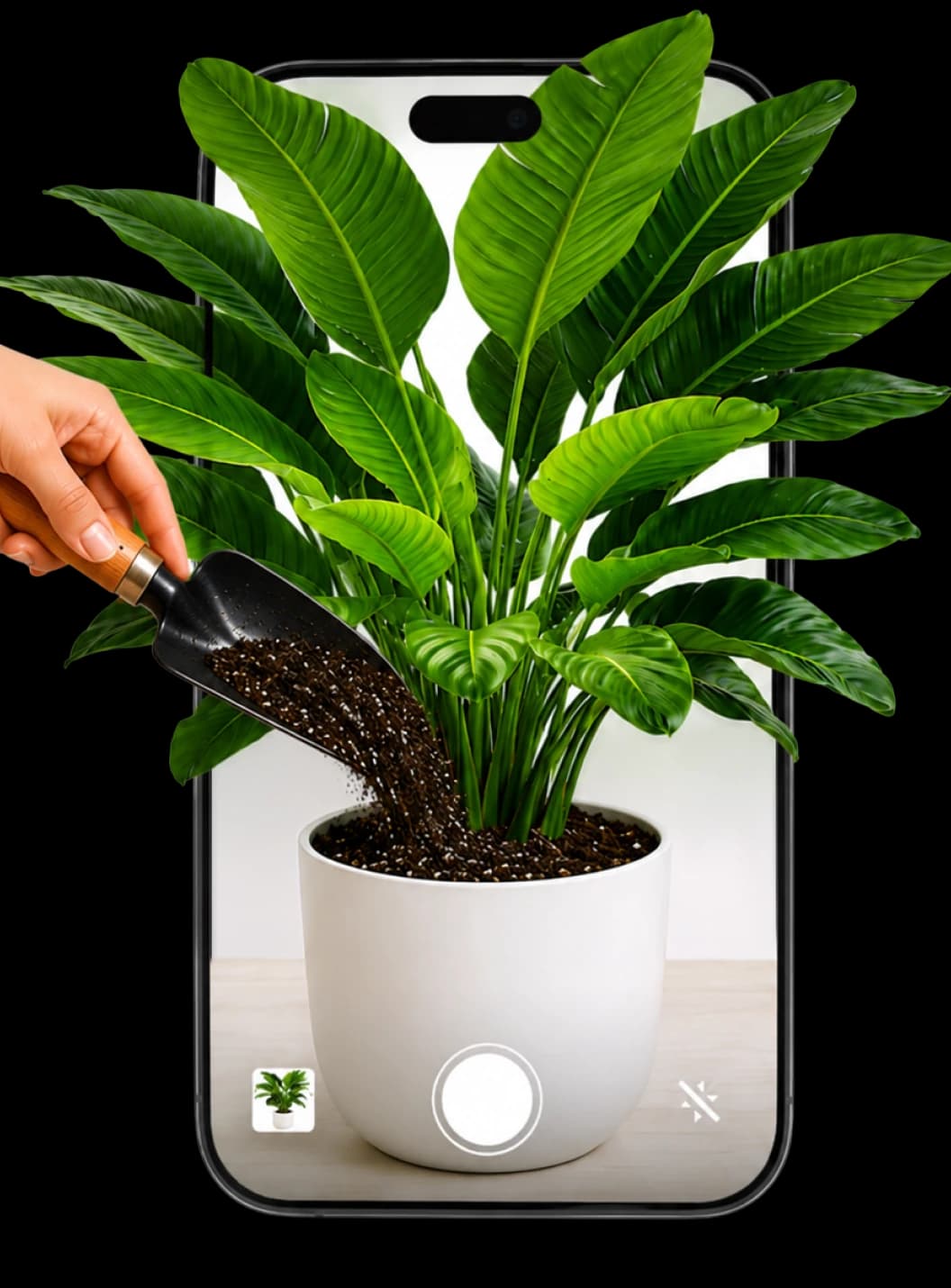
A simple custom mix gives Dracaena sanderiana the balance of moisture retention and airflow it needs in containers.

100% total mix = 20 scoops
15%
fine orchid bark or coarse sand3 scoops
20%
perlite or pumice4 scoops
25%
coco coir or peat moss5 scoops
40%
high-quality potting soil8 scoops

The finished blend should feel light, slightly springy, and crumbly, staying evenly moist without turning dense or muddy after watering.

A good target is 5.5–7.0 pH, with slightly acidic soil generally offering the best nutrient availability for Lucky Bamboo. Within that range, roots can access key minerals more efficiently.

This species is fairly tolerant of mild variation, but strongly alkaline or overly acidic conditions can reduce nutrient uptake over time. Keeping the mix near mildly acidic to neutral supports steadier growth.

This species can struggle when the root zone stays stagnant or compacted for too long. Check soil conditions as one possible factor behind slow decline.

Compacted mix:

Dense soil that dries unevenly or feels hard can limit oxygen around roots, so gently loosen the surface and plan to replace the mix with a fresher, airier one.

Soggy soil:

A potting medium that stays wet for long periods may stress Lucky Bamboo roots, so empty trapped water and confirm excess moisture can leave the container freely.

Hydrophobic soil:

If the mix pulls away from the pot edge and resists moisture, rewet it gradually in stages so the root ball can absorb water more evenly.

Surface buildup:

Crusty white or tan residue can point to mineral accumulation, so scrape off the top layer and refresh it with clean new mix.

Soil Advice in Seconds

Botan helps match this plant to a more suitable growing medium so it is easier to avoid common soil mismatches.

FAQ

Yes. Drainage holes help excess water leave the container, which lowers the risk of stale, saturated conditions around the roots and keeps the potting mix more balanced over time.

Everything About Lucky Bamboo

More Plant Soil Guides

Check Your Soil Choice

If a plant looks off, soil may be one factor worth checking. Botan’s photo assessment can help spot patterns that may relate to the root zone.

Botan app helping with soil and plant care
Best Fertilizer for Vegetable Gardens – What to Use for Each Plant

11 min read · 20 Jul 2026

Best Fertilizer for Vegetable Gardens – What to Use for Each Plant

Here, you’ll find the right fertilizer formula for vegetables in your garden. Learn how to adjust feeding correctly throughout the growing cycle, spot nutrient deficiencies by their symptoms, and keep your plants healthy and prolific.

Plant Recommendations
Best Fertilizer for Vegetable Gardens – What to Use for Each Plant
How Often to Water Fruit Trees

7 min read · 11 Aug 2026

How Often to Water Fruit Trees

Irrigation needs change as roots establish and weather shifts. This guide gives practical starting intervals, explains how soil and tree type change them, and shows how to recognize both excess moisture and drought stress.

Plant Care
How Often to Water Fruit Trees
How Long Can Flowers Go Without Water? Everything You Need to Know

6 min read · 10 Jul 2026

How Long Can Flowers Go Without Water? Everything You Need to Know

Flowers can survive without water anywhere from 1-2 hours to several months, depending on the plant type, species, and growing conditions. Some strong-looking flowers are drought-sensitive, while delicate-looking plants may tolerate long dry periods surprisingly well.

Plant Care
How Long Can Flowers Go Without Water? Everything You Need to Know