
field mustard (Brassica rapa) Watering Guide

This page explains when, how often, and how much to water Brassica rapa in simple, practical terms.

Water Requirements

Regular Water

Brassica rapa Watering

Field mustard typically grows in temperate regions with moderate rainfall and well-drained soils that never stay saturated. Brassica rapa prefers steady, light moisture around the roots rather than prolonged dryness or waterlogged conditions.

As a result, watering field mustard means keeping soil gently and consistently damp, not soaked. Indoors, containers dry faster than garden beds, so monitor potting mix more frequently before deciding when to water.

Let the top 1–2 inches (3–5 cm) of soil dry before watering again; this suits Brassica rapa’s shallow root system. In containers, this usually means watering about every 2–4 days in warm, bright conditions, with cooler weather or lower light slightly extending the interval.

Water field mustard when the top 1-2 inches (3-5 cm) of soil feel dry, using slow, even applications.

  • Pour water at soil level around the base, avoiding leaves, to keep foliage dry and reduce surface splashing.
  • Add water in stages, allowing each pour to soak in so the entire root zone is evenly moistened.
  • Check that water drains freely from the bed or container, then empty any catch trays so roots do not sit in standing water.
  • In containers, water from the top rather than bottom-watering, which helps flush excess salts from the potting mix.

Incorrect moisture levels often disrupt Brassica rapa growth and vigor, leading to preventable health problems.

Wilting Leaves:

Foliage droops during warm periods, usually from underwatering or shallow, infrequent irrigation soaking only surface soil.

Yellow Lower Foliage:

Older leaves yellow first when roots sit in soggy soil or drainage remains consistently poor.

Root Rot:

Brown, soft roots with foul odor develop after prolonged saturation in compacted or poorly drained beds.

Cracked Stems Or Bolting:

Sudden heavy watering after dryness can split tissues and encourage premature flowering instead of leafy growth.

Stunted Heads Or Pods:

Insufficient, irregular moisture during rapid growth limits cell expansion, reducing leaf size and harvestable yield.

Keep soil consistently moist but never waterlogged, adjusting frequency to weather, growth stage, and drainage.

Poor watering habits can limit Brassica rapa growth and yield, especially for field mustard grown in containers or dense beds.

  • Rigid calendar watering: Watering on fixed dates ignores real moisture needs; instead, check the top soil layer and irrigate only when it feels dry.
  • Heavy, compacted soil: Using dense soil keeps roots soggy; choose loose, well‑drained mix so water passes through quickly yet leaves light moisture.
  • No drainage outlet: Planting in pots without holes traps water around roots; use containers with open drains so excess can escape freely.

Safer watering for field mustard means responding to soil moisture and drainage conditions, keeping roots evenly moist but never waterlogged.

  • Spring: Water consistently to keep soil lightly moist as vegetative growth accelerates, adjusting for frequent spring rains in outdoor beds.
  • Summer: Increase watering during hot, dry spells to prevent wilting, but reduce slightly in cool, cloudy periods to avoid root rot.
  • Fall: Reduce watering as temperatures drop and growth slows, especially for heading forms that are nearing maturity and harvest.
  • Winter: For overwintered or indoor plants, water sparingly, allowing the top layer to dry more between waterings due to slower growth.

Your field mustard Care Companion

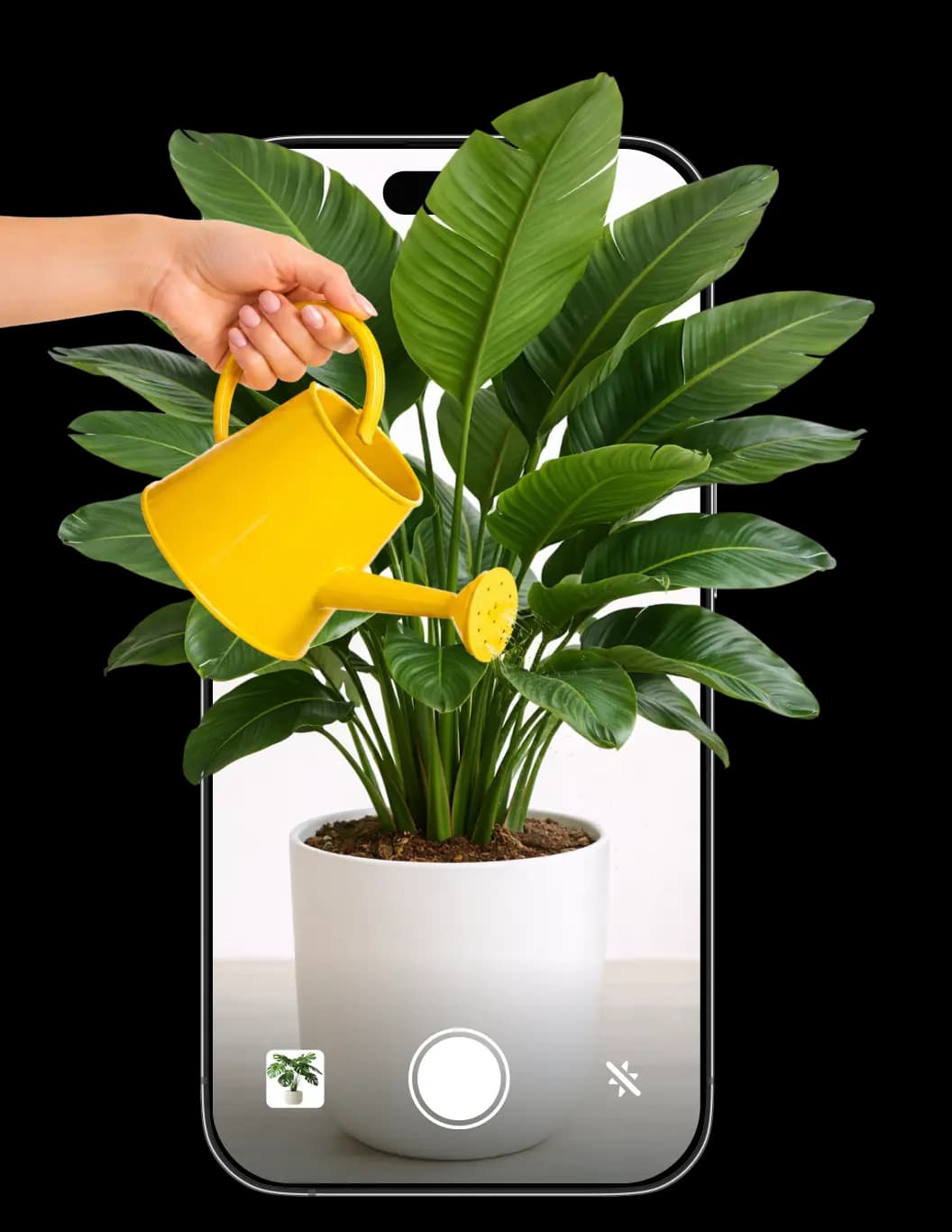
Use Botan for a simple watering guide and step-by-step care procedures for Brassica rapa. The app can also review plant photos to help notice early signs of stress or disease.

Botan plant care app — identify plants on mobile

FAQ

Wilting in wet soil usually means roots lack oxygen from overwatering or poor drainage. Roots may start to rot, reducing water uptake. Let soil dry to the top 1–2 inches and improve drainage or container holes.

More Plant Watering Guides

Is Your Watering Routine Hurting Your field mustard?

Botan evaluates your watering routine so adjustments are clearer and more confident.

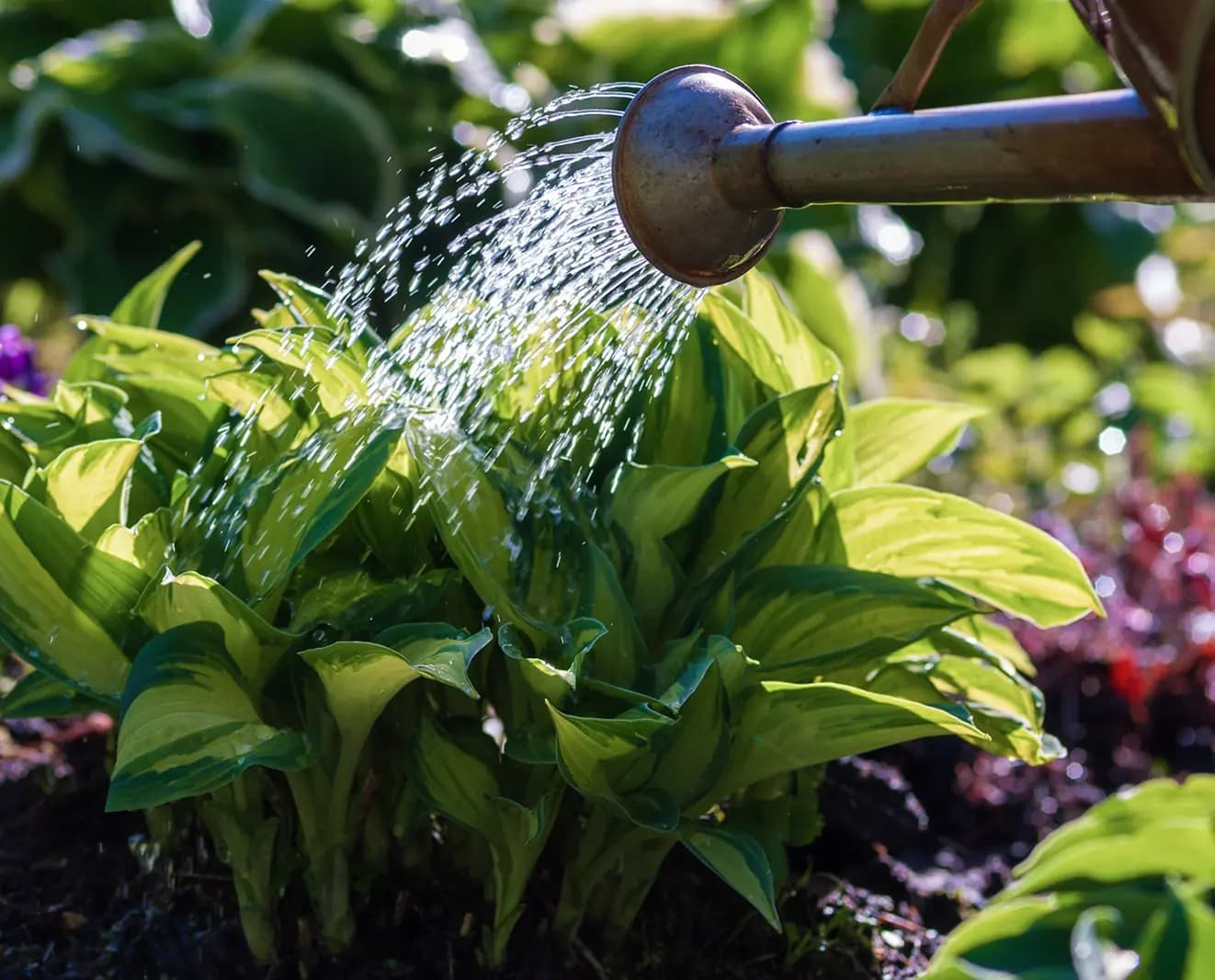
Watering a plant with a copper watering can
12 Best Plants for Bathroom That Thrive in Humid Conditions

9 min read · 29 Sept 2026

12 Best Plants for Bathroom That Thrive in Humid Conditions

Discover the 12 best plants for bathroom spaces. Each pick comes with its own advantages, plus light, humidity, watering, and placement tips. Take a look and match the plant to your specific bathroom.

Plant Recommendations
12 Best Plants for Bathroom That Thrive in Humid Conditions
What Do Plants Need to Grow – 5 Things Every Greenery Can't Live Without

8 min read · 31 Jul 2026

What Do Plants Need to Grow – 5 Things Every Greenery Can't Live Without

To keep plants healthy and thriving, provide the right balance of light, humidity, nutrients, airflow, and quality soil. This guide covers the essentials of year-round plant care.

Beginner Guides
What Do Plants Need to Grow – 5 Things Every Greenery Can't Live Without
Thorny Plants: A Comprehensive Guide

10 min read · 25 Aug 2026

Thorny Plants: A Comprehensive Guide

Many plants defend themselves with sharp thorns. This guide explores over 20 examples among flowers, shrubs, trees, and vines. You'll learn what each plant looks like, why it grows thorns, and how to quickly identify them.

Plant Recommendations
Thorny Plants: A Comprehensive Guide