Peyote (Lophophora diffusa) Watering Guide

This page explains when, how often, and how much to water Lophophora diffusa in simple, practical terms.

Water Requirements

Low Water

Lophophora diffusa Watering

Native to arid Mexican habitats with brief, light rains, Peyote experiences dry, fast-draining soil between showers. Lophophora diffusa prefers soil that dries noticeably between waterings rather than staying consistently moist.

For watering Peyote, think in terms of shallow desert moisture that appears, then disappears, instead of steady dampness. Indoors or in containers outdoors, the basic approach is similar, but outdoor plants usually dry more quickly.

Let the soil dry completely between waterings; Lophophora diffusa is ready when the mix feels dry from the surface down at least 1–2 inches (3–5 cm). In warm, bright conditions it typically needs water every 3–5 weeks, extending longer in cool rooms or during winter rest.

Water Peyote only when the potting mix is completely dry, then rehydrate the roots slowly and evenly from above.

  • Pour room‑temperature water around the base of the cactus, keeping the crown and woolly top growth dry.
  • Add water in small passes until the entire root zone is moistened and a modest trickle appears from the drain holes.
  • Let the pot drain fully for several minutes, then discard any water collected in the saucer or cachepot.
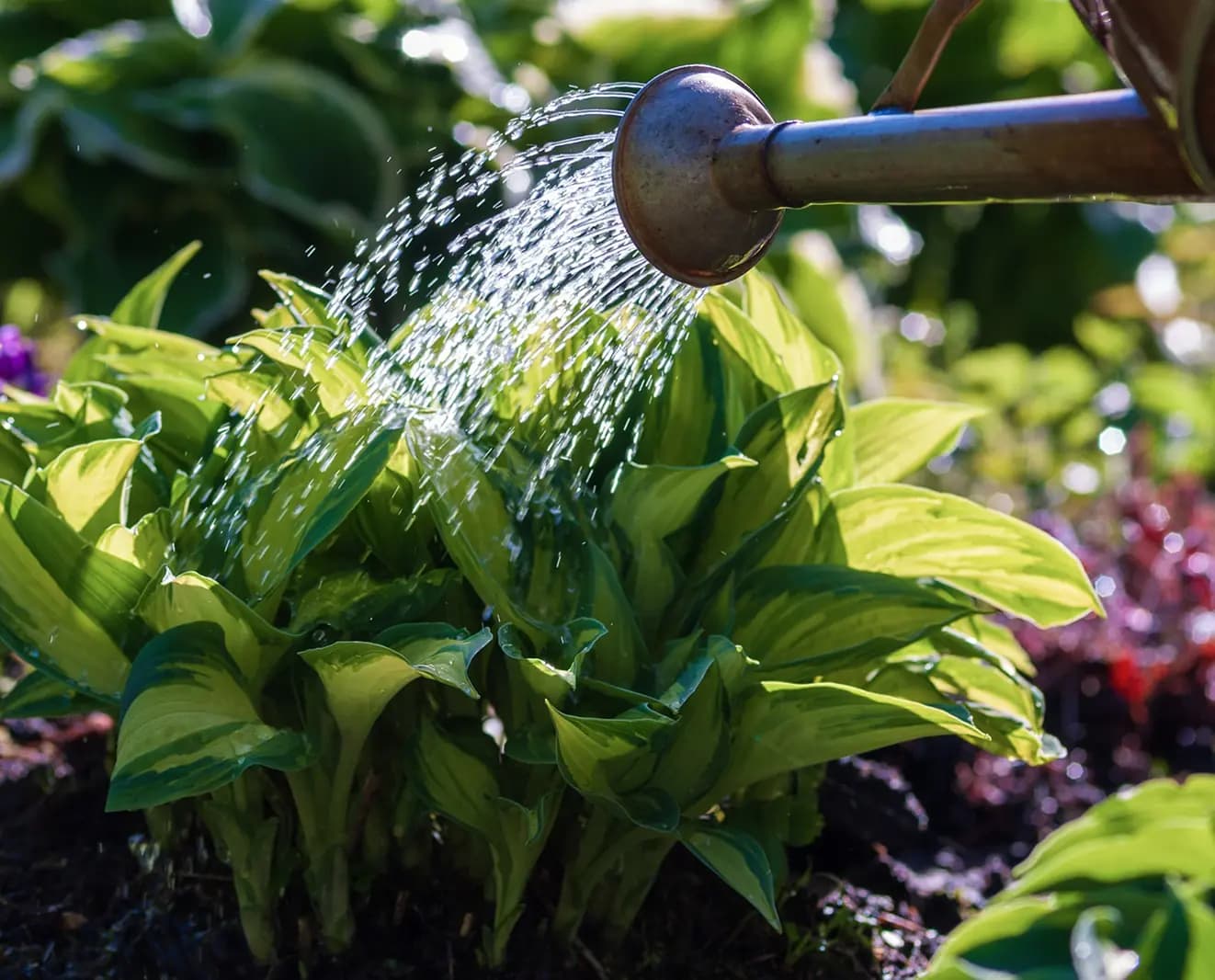
  • Use a narrow-spout watering can to control flow and avoid splashing on the plant body or surrounding surface.

Incorrect moisture levels disrupt Lophophora diffusa health, weakening tissues and encouraging opportunistic pests and fungi.

Yellowing Soft Stem:

Upper tissue turns yellow and spongy from chronic overwatering and poorly drained, constantly wet substrate.

Shriveled Ribbed Body:

Body wrinkles deeply and ribs sink when prolonged dryness exhausts stored internal water reserves.

Blackened Stem Base:

Dark, mushy ring at soil line indicates advanced rot from saturated, airless potting mix.

Moldy Soil Surface:

White or gray fuzz on mix shows excess moisture, limited airflow, and decomposing organic matter.

Stagnant Heavy Potting Mix:

Soil stays cold and wet for days due to fine particles and lacking mineral grit.

Let the mineral-rich mix dry thoroughly between waterings, then rehydrate deeply under warm, bright conditions.

Unsuitable watering habits can stress Lophophora diffusa, weakening its tissues and making this slow-growing Peyote more vulnerable to long-term decline.

  • Watering by calendar: Following a fixed schedule ignores seasonal changes; instead, water only when the soil is completely dry several days below the surface.
  • Dense, moisture-holding soil: Using peat-heavy or compact mixes keeps roots wet too long; choose a gritty, fast-draining cactus blend with plenty of mineral content.
  • Letting runoff sit: Leaving water in the saucer keeps the base soggy; empty any collected water shortly after each thorough watering.

Aim for brief, deep soakings into a very fast-draining mix, followed by long dry periods that mimic this cactus’s native habitat.

  • Spring: Resume light watering as new growth appears, letting the mineral-rich soil dry fully and avoiding sudden large drinks that can split tissues.
  • Summer: In bright heat, water slightly more often but still deeply infrequently, protecting from prolonged rain that can saturate this shallow, taprooted cactus.
  • Fall: Gradually extend dry periods between waterings as temperatures drop, keeping the plant on the dry side to prepare for dormancy.
  • Winter: Keep nearly dry in cool conditions, giving only a tiny sip if the body wrinkles noticeably and temperatures stay well above freezing.

Your Peyote Care Companion

Use Botan to get a clear watering guide and step‑by‑step care routines for Peyote. The app can also review photos to help spot early signs of stress or other issues.

Botan plant care app — identify plants on mobile

FAQ

In cool, low‑light winter conditions, keep the soil almost completely dry. Provide only a very light drink every 4–6 weeks, or not at all if the body stays firm, to prevent root rot and stress.

Everything About Peyote

More Plant Watering Guides

Is Your Watering Routine Hurting Your Peyote?

Use Botan to review your watering pattern and adjust it with confidence.

Watering a plant with a copper watering can
How to Tell if a Plant Is Dead

6 min read · 19 Aug 2026

How to Tell if a Plant Is Dead

A plant can lose its leaves, stop growing, or collapse and still remain alive. A closer look at the stems, roots, bulbs, and tubers can show whether the plant still has a chance to recover.

Beginner Guides
How to Tell if a Plant Is Dead
12 Best Plants That Repel Spiders For Your Home and Garden

8 min read · 24 Jul 2026

12 Best Plants That Repel Spiders For Your Home and Garden

Spiders constantly appear in places you don't want them. A few common plants can help repel them using scent alone. Here are 12 options suitable for both indoors and outdoors, plus care tips for each.

Plant Recommendations
12 Best Plants That Repel Spiders For Your Home and Garden
Thorny Plants: A Comprehensive Guide

10 min read · 25 Aug 2026

Thorny Plants: A Comprehensive Guide

Many plants defend themselves with sharp thorns. This guide explores over 20 examples among flowers, shrubs, trees, and vines. You'll learn what each plant looks like, why it grows thorns, and how to quickly identify them.

Plant Recommendations
Thorny Plants: A Comprehensive Guide