Costus zamoranus Care

About Costus zamoranus

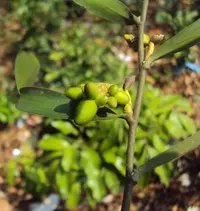
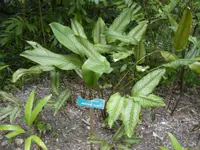
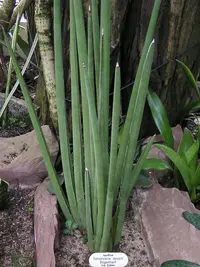
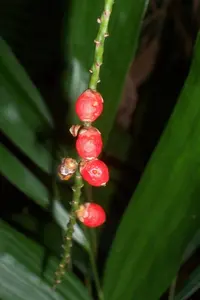
Costus zamoranus is a tropical rhizomatous perennial from the cloud forests of Ecuador. It belongs to the Costus genus, known for spiral gingers with striking architectural stems. This species typically forms upright, spiraling shoots with lush green leaves and bold, tubular flowers that attract hummingbirds in suitable climates. The plant has a distinctly ornamental, almost sculptural look, making it popular among collectors and enthusiasts of unusual foliage and blooms.

It prefers warm, humid conditions, evenly moist but well-drained soil, and bright shade rather than harsh direct sun. With stable warmth and humidity, care for Costus zamoranus is moderate in difficulty, mainly due to its dislike of cold, drought, and very dry indoor air.

Main Plant Requirements

Care Difficulty

Moderate Care

Light Preference

Partial Shade

Water Requirements

Keep Soil Moist

Temperature Preference

Tropical / Frost Sensitive

Hardiness Zone

10–12

Soil Texture

Loamy, Peaty, Organic-rich

Soil pH

Acidic (5.5–6.5), Slightly acidic (6.5–7.0)

Soil Drainage

Moist but well-drained

Fertilization

Moderate (every 2–4 weeks)

Get Personalized Care Plan

Scan your plant to receive care tips personalized for your specific plant

Available on iOS and Android

How to Care for the Costus zamoranus

This tropical understory plant prefers bright, gentle light that mimics filtered forest sun.

  • Provide 4–6 hours of bright, indirect light each day, such as dappled shade or light filtered through taller plants or sheer curtains.
  • Allow soft morning sun but protect Costus zamoranus from harsh midday and afternoon sun, which can scorch leaves and cause bleaching or dry brown patches.
  • In summer, shift pots or adjust shade cloth to avoid intense sun; in winter, move closer to bright windows or south-facing exposures to offset shorter days.

This species favors consistently moist soil but reacts poorly to waterlogged conditions.

  • Water when the top 2–3 cm of soil feels dry, aiming for evenly moist, not soggy, soil around the rhizomes.
  • Use loose, well-draining soil and a container or bed that allows excess water to escape, reducing risk of root rot, yellowing leaves, and soft stems from overwatering.
  • In warm growing seasons, expect more frequent watering; in cooler months, let the surface dry a bit deeper and watch for curling or limp leaves as signs of underwatering.

This tropical plant grows best in warm, stable temperatures without cold drafts or sudden swings.

  • Aim for 70–85°F (21–29°C) during active growth for strongest stems and foliage, with slightly cooler nights improving overall vigor.
  • Protect from temperatures below 55°F (13°C); prolonged exposure near this limit slows growth, while light frost will damage or kill above-ground parts.
  • In hot spells above 90°F (32°C), increase shade and airflow and maintain soil moisture, as excessive heat combined with dry soil can cause leaf scorch and stress.

This species prefers high air humidity to maintain lush foliage and steady growth.

  • Aim for 60–80% humidity; growth slows and leaf edges brown in very dry indoor air below ~40%.
  • Watch for crisp leaf tips, curling, and stalled new shoots as typical signs of humidity stress.
  • Increase humidity with a nearby humidifier, grouped plants, or a pebble tray, rather than misting leaves directly.

This species performs best in moist, airy, organic-rich soil that drains quickly but does not dry out abruptly.

  • Use a loose mix such as 50% peat or coco coir, 30% fine bark, and 20% perlite to balance moisture retention and aeration.
  • Aim for slightly acidic to neutral pH, roughly 6.0–7.0, which supports nutrient uptake and stable growth.
  • Improve drainage by avoiding heavy garden soil and adding more perlite or bark if water still pools on the surface.
  • Avoid compacted, clay-heavy, or waterlogged substrates, which promote root rot and reduce oxygen around the rhizomes of Costus zamoranus.

This species adapts well to container growing when the pot is chosen to support its upright, rhizomatous growth.

  • Select a wide, stable pot that resists tipping as tall canes and flower spikes develop top-heavy growth.
  • Choose a slightly deeper container to give rhizomes horizontal room while keeping at least the top 5 cm of mix free-draining.
  • Use a pot material that matches your climate, such as heavier ceramic to keep moisture more stable in hot, dry conditions.

Good nutrition supports strong stems and flowering in Costus zamoranus grown in containers or poor soil.

  • Use a balanced liquid fertilizer (around 10-10-10 or 20-20-20) diluted to 1/2–1/4 strength for potted plants.
  • Feed every 2–4 weeks during active growth in spring and summer when new shoots are developing.
  • Pause or reduce feeding to once every 6–8 weeks in fall and winter as growth slows.
  • In garden beds, light top-dressings of compost in spring often provide sufficient nutrients.

Thoughtful pruning keeps Costus zamoranus compact, clean, and flowering well.

  • Carry out main pruning in late winter or early spring before vigorous new growth begins.
  • Remove dead, damaged, or diseased canes at the base with clean, sharp pruners to reduce infection risk.
  • Thin out the oldest, most crowded stems to improve air flow and light penetration into the clump.
  • Cut back spent flowering stems after blooming to encourage fresh shoots and a tidier shape.

Container-grown plants benefit from periodic repotting to maintain healthy, vigorous growth.

  • Check for roots circling the pot, growing from drainage holes, or slow growth as signs Costus zamoranus needs more space.
  • Plan major repotting or transplanting in late spring to early summer, once temperatures stay consistently warm.
  • Move up 1 pot size every 2–3 years, using a loose, rich, well-drained mix and firming gently around the root ball.
  • Water thoroughly after moving and keep in bright, indirect light for 7–10 days to limit transplant shock.

Vegetative propagation is the most reliable way to increase Costus zamoranus plants.

  • Use stem cuttings in late spring or summer, selecting non-woody sections with 2–3 nodes.
  • Lay or plant cuttings horizontally in moist, well-drained medium, burying 1–2 nodes and keeping 1 node above the surface.
  • Maintain warmth around 70–80°F, high humidity, and bright, indirect light to support root and shoot formation.
  • Divide mature clumps in warm weather, keeping several healthy shoots and rhizomes per division, then water well.

This tropical species is frost sensitive and needs protection in regions with cool winters.

  • In zones below about 10, grow Costus zamoranus in containers so it can be moved indoors before frost.
  • Keep indoor plants at 60–70°F in bright, indirect light and reduce watering as growth slows.
  • For in-ground plants in marginal climates, cut back dead stems and apply a 5–10 cm mulch over the root zone.

Care Tips

Rhizome division timing

Divide clumps only when new shoots are just emerging in spring, so each division carries at least 1–2 healthy growing points and can reestablish quickly without stalling.

Root-zone mulching

Apply a 3–5 cm layer of fine bark or shredded leaf mulch over the root zone to keep the rhizomes cool, reduce moisture swings, and prevent soil from splashing onto the stems and leaves.

Stake spiral stems

Use discreet, soft ties and thin stakes or a hoop support to guide tall spiral stems upright, preventing wind breakage and keeping the foliage display compact and easy to inspect for pests.

Container renewal cycle

For plants kept in pots, refresh 1/3–1/2 of the root ball with new medium every 2–3 years by slip-potting and trimming only circling roots, which maintains vigor without shocking the plant.

Winter rest adjustment

In regions with cooler or shorter days, allow a light dormancy by reducing watering slightly and removing spent canes at the base, which encourages stronger new shoots when conditions improve and simplifies caring for Costus zamoranus over many years.

Common Pests and Diseases

Spiraling ginger aphids

These insects are small, soft-bodied sap feeders that cluster on young spiraling stems and tender flower bracts. Symptoms include sticky honeydew, black sooty mold on leaves, and distorted new growth.

Solution

Prune heavily infested shoots, then wash remaining stems and foliage with a strong but gentle stream of water, especially into the spiral leaf bases. If needed, apply insecticidal soap or a light horticultural oil, repeating every 7–10 days until populations decline, and avoid excess nitrogen fertilizer that encourages soft, aphid-prone growth when caring for Costus zamoranus.

Costus spiral mite

This pest is a tiny eriophyid mite that hides in the tight spiral leaf bases, causing leaf edge bronzing, roughened texture, and sometimes twisted or stunted spirals. Symptoms include fine russeting on the upper leaf surface and poor new shoot development.

Solution

Remove and discard the most distorted or heavily damaged shoots, then thoroughly rinse the remaining spirals to flush mites from the leaf bases. Improve air movement around the clump, reduce overhead watering, and, if symptoms persist, use a miticide labeled for ornamental gingers, making sure to direct spray into the leaf spirals where mites shelter.

Spiral leaf spot

This disease causes small, water-soaked spots on Costus leaves that enlarge into tan to brown lesions often following the spiral leaf veins. Symptoms include irregular patches, yellow halos, and premature leaf drop on lower spirals in warm, humid conditions.

Solution

Cut off and discard affected leaves and any heavily spotted stems, and avoid wetting foliage late in the day. Improve spacing and airflow, irrigate at the soil level, and if the disease continues, use a copper-based or chlorothalonil fungicide labeled for ornamental foliage plants, applying during extended warm, wet periods.

Bacterial spiral blight

This disease produces dark, greasy-looking lesions along the spiral leaf margins and at leaf attachment points, sometimes leading to leaf collapse and foul-smelling rot in the leaf sheaths. Symptoms include rapid wilting of individual spirals even when soil moisture is adequate.

Solution

Promptly remove and dispose of any wilted or foul-smelling stems, cutting well below the visibly affected tissue. Disinfect cutting tools between cuts, reduce overhead irrigation, keep water off the spirals, and avoid working around plants when foliage is wet to limit bacterial spread; severely affected clumps may need to be thinned or replaced from clean stock.

Rhizome nematodes

These microscopic roundworms attack the rhizomes and feeder roots, causing weak, sparse shoots and poor flowering. Symptoms include stunted clumps, yellowing foliage despite adequate care, and dark, rough, or knotted areas on rhizomes when dug up.

Solution

Discard severely affected plants including all rhizome pieces and do not replant Costus in the same soil for several years. For mild cases, improve drainage, add organic matter to support beneficial soil organisms, and source new plants from certified clean nurseries or grow Costus zamoranus in containers with fresh, sterile potting mix to avoid re-infestation.

Interesting Facts

Spiral ginger relative

This species is a spiral-stemmed member of the Costaceae family, forming tall, cane-like shoots with leaves arranged in a tight helix around the stem, which gives it a distinctive architectural form compared with many other ornamentals.

Showy tubular flowers

It produces vivid tubular flowers from cone-like inflorescences, with individual blooms that open sequentially, so a single cone can display fresh flowers over an extended period in warm conditions.

Cloud-forest origin

The species is native to humid, tropical regions of Ecuador, where it grows in warm, moist, partially shaded forest habitats, which is why it responds best to consistently warm temperatures and high air humidity in cultivation.

FAQs about Costus zamoranus

Lack of blooms usually relates to insufficient maturity, low light, or nutrient imbalance. Flowering improves when the plant is fully established, receives consistently warm, bright conditions, and a balanced, low-phosphorus fertilizer applied lightly during the active growing season.

Grow Healthy Plants with Botan Care

Keep your plants happy and healthy with plant identification, disease detection, and easy care guidance.

Botan plant care app — identify plants on mobile

Explore More Plants