Leuenbergeria lychnidiflora Care

Leuenbergeria lychnidiflora

About Leuenbergeria lychnidiflora

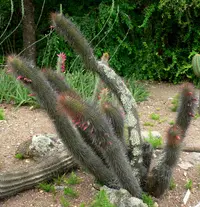
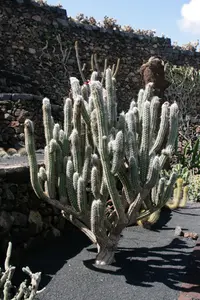
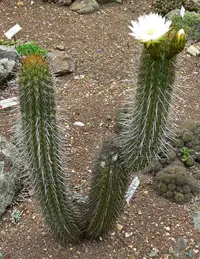
Leuenbergeria lychnidiflora is a shrubby, often spiny cactus-like plant that forms woody stems with sparse foliage. It belongs to a small group of leafy cacti that retain leaves instead of having only pads or ribs.

In nature, it occurs in seasonally dry habitats of Mexico and Central America, where it copes with high light and long dry periods. This background makes it fairly resilient in cultivation but sensitive to excess moisture and poor drainage.

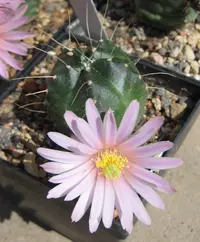
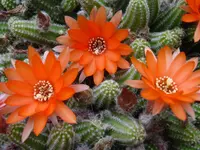
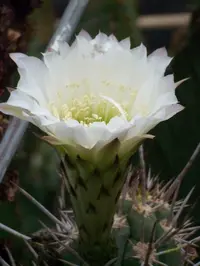
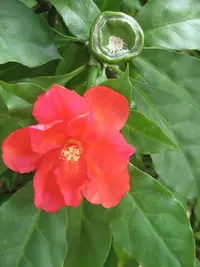
Gardeners who care for Leuenbergeria lychnidiflora usually value its unusual combination of woody growth, leaves, and showy flowers. It prefers bright light, low to moderate watering, and very well-draining, gritty soil.

Main Plant Requirements

Care Difficulty

Moderate Care

Light Preference

Full Sun

Water Requirements

Low Water

Temperature Preference

Tropical / Frost Sensitive

Hardiness Zone

10–12

Soil Texture

Sandy, Loamy, Rocky

Soil pH

Slightly acidic (6.5–7.0), Neutral (7.0)

Soil Drainage

Well-drained

Fertilization

Minimal (feed rarely)

Get Personalized Care Plan

Scan your plant to receive care tips personalized for your specific plant

Available on iOS and Android

How to Care for the Leuenbergeria lychnidiflora

This cactus-like shrub thrives in strong sun but benefits from some protection during extreme heat.

  • Provide 6–10 hours of direct sun daily, ideally with morning sun and light afternoon shade in very hot, dry climates.
  • It tolerates light partial shade, but stems may elongate and flowering can decrease if it receives less than 4–5 hours of direct sun.
  • In summer, monitor for scorching on new growth or bleaching of pads; in winter, ensure the site remains as bright and open as possible for Leuenbergeria lychnidiflora.

This species is drought-tolerant and prefers deep, infrequent watering in sharply drained soil.

  • Water only when the top 5–8 cm of soil are completely dry; in hot growing seasons this may mean soaking the root zone every 10–21 days, depending on climate and soil.
  • Use very fast-draining, gritty soil on a slope or raised area to prevent standing water, which causes root rot and blackened, mushy stems.
  • Reduce watering sharply in cooler months, watching for shriveling pads as a cue for a light drink and avoiding any puddling around the base.

This plant prefers warm to hot conditions and is not reliable in freezing climates without protection.

  • Aim for active growth in 70–90°F (21–32°C), with acceptable short peaks up to 100°F (38°C) if soil is dry and airflow is good.
  • Protect from cold; it is stressed below 40°F (4°C) and can be damaged or killed by frost, especially if tissues are hydrated.
  • In regions with winters below 32°F (0°C), grow it in a very sheltered microclimate or move container plants under cover until temperatures rise.

This drought-adapted cactus tolerates a wide humidity range, so humidity control is rarely critical.

  • Accepts 20–60% humidity without issue, matching most heated or air-conditioned homes.
  • Low humidity is usually harmless; problems come more from overwatering than dry air.
  • True humidity stress appears as soft, pale, or rotting stem sections from overly damp, stagnant conditions rather than dry air.

Leuenbergeria lychnidiflora prefers a very fast-draining, mineral-based substrate that mimics rocky, arid soils.

  • Use a gritty mix such as 50% cactus potting mix with 50% coarse materials like pumice, perlite, or 3–5 mm gravel.
  • Aim for slightly acidic to neutral pH around 6.0–7.0 to support root health and nutrient uptake.
  • Ensure soil feels dry and loose within a day or two after watering; compact, waterlogged mixes increase rot risk.
  • Avoid heavy peat, clay, or unamended garden soil, which hold moisture and reduce aeration around the roots.

This species adapts well to container growing when the pot supports its shrubby, sometimes sprawling habit.

  • Choose a wide, relatively heavy pot to counterbalance the plant’s top growth and reduce tipping in wind or accidental bumps.
  • Select a pot depth that allows a broad, shallow root system to spread rather than a very tall, narrow vessel.
  • Opt for porous materials like unglazed terracotta if extra moisture loss is needed, or glazed pots in very hot, arid climates to slow drying.

This dry tropical cactus tree benefits from modest feeding in containers but usually needs no fertilizer in open ground.

  • Use a balanced liquid fertilizer (around 10-10-10) at 1/4–1/2 strength for Leuenbergeria lychnidiflora grown in pots.
  • Feed every 4–6 weeks during the warm growing season when active growth is visible.
  • Skip or greatly reduce feeding in winter or any dormant, cool, or low-light period.
  • Avoid high-organic composts that stay wet; choose lean, fast-draining cactus or succulent blends if amending soil.

Light pruning keeps this shrubby cactus tree safe, tidy, and within bounds.

  • Carry out structural pruning in late winter or early spring before strong new growth starts.
  • Remove dead, storm-damaged, rubbing, or crossing branches using sharp, clean bypass pruners or a small saw.
  • Shorten overly long or crowded stems to control size and encourage a balanced, well-lit canopy.
  • Avoid heavy cutting in one season; staged pruning limits stress and reduces the risk of sunscald on newly exposed stems.

This species is usually planted in the ground but can be transplanted or shifted in containers when outgrowing its space.

  • Check for roots circling the pot, pushing through drainage holes, or for noticeably slowed growth as signs it needs more room.
  • Plan transplanting for late spring or early summer, once nights are warm and the risk of cold snaps has passed.
  • For potted plants, move up only 1 pot size every 2–3 years, using a gritty, fast-draining cactus mix.
  • Minimize root stress by watering 1–2 days before moving, handling the root ball gently, and shading the plant for several days afterward.

Leuenbergeria lychnidiflora is most often propagated from seed, with cuttings used where a parent plant is available.

  • Sow fresh seeds in late spring in a sterile, gritty mix kept lightly moist at 70–80°F with bright, indirect light.
  • Lightly cover seeds and provide good air circulation to limit damping-off, a fungal disease that kills seedlings at soil level.
  • For cuttings, allow stem sections to callus for several days, then insert into dry, fast-draining substrate and water sparingly.
  • Maintain warmth and avoid overwatering during rooting or germination, as excess moisture greatly increases rot risk.

This warm-climate cactus tree is frost sensitive and benefits from simple winter precautions in cooler regions.

  • In areas below about 30°F, grow in containers so plants can be moved indoors to a bright, cool, frost-free space.
  • Outdoors in marginal climates, apply a 5–8 cm layer of dry mulch around the root zone, keeping it off the trunk.
  • For young plants, wrap the lower trunk and main stems with breathable frost cloth during predicted hard freezes.

Care Tips

Sturdy trellis support

Install a heavy, rigid trellis or fence panel before the plant reaches 60–90 cm, as older woody stems are brittle and more likely to crack if forced onto support later.

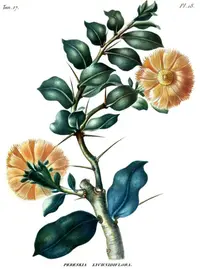
Branch training cuts

Use selective tip-pruning of overly long, whippy shoots in late spring to encourage side-branching and a fuller framework, always cutting back to a strong outward-facing bud or junction.

Calcium and magnesium balance

In very soft or highly filtered water areas, apply a low-dose cal-mag supplement once or twice in the growing season to support strong spine and stem development and reduce tip dieback.

Root-zone heat management

In hot, dry climates, mulch around the root zone with 3–5 cm of coarse mineral material such as gravel or pumice to keep roots cooler while avoiding moisture buildup against the woody base.

Dry-season pest check

During extended dry spells, inspect pads and young stems every 2–3 weeks for scale insects and mealybugs, wiping small infestations with isopropyl alcohol on a cotton swab before they colonize older, corky tissue, which simplifies caring for Leuenbergeria lychnidiflora over time.

Common Pests and Diseases

Cochineal scale

This pest forms white cottony clusters on pads and stems, often exuding red carminic dye when crushed. Symptoms include yellowing segments, slowed growth, and sooty mold developing on the sticky honeydew.

Solution

Control by physically wiping or spraying pads with a strong jet of water, then dabbing remaining clusters with cotton swabs dipped in 70% isopropyl alcohol. For larger infestations, use a systemic insecticide labeled for cacti and repeat treatments every 7–10 days while also reducing plant crowding to improve airflow.

Soft scale

These insects appear as small, tan to brown bumps tightly attached to stems and young pads, often causing localized yellowing and reduced vigor. This pest produces honeydew that can attract ants and favor sooty mold growth.

Solution

Remove heavily infested segments and gently scrape or wipe remaining scales with a cloth soaked in diluted alcohol or insecticidal soap. Repeat treatments at 7–14 day intervals and manage nearby ants, which protect scales, to support more effective how to take care of Leuenbergeria lychnidiflora strategies outdoors or in containers.

Spider mites

These insects are tiny sap feeders that create fine webbing between ribs and spines, especially in hot, dry conditions. Symptoms include a dull, dusty surface, tiny pale stippling, and gradual pad desiccation.

Solution

Increase humidity around but not on the plant, then rinse pads thoroughly with a firm spray of water to remove mites and webbing. Follow with applications of insecticidal soap or a horticultural oil labeled for cacti, applied to all surfaces every 5–7 days until new growth appears clean.

Fungal stem spotting

This disease causes small, sunken, dark spots on pads or stems that may enlarge into corky or slightly soft lesions in humid or poorly ventilated conditions. Symptoms include cosmetic scarring and, in severe cases, segment distortion or dieback.

Solution

Prune out and discard affected segments, cutting back into healthy, firm tissue and allowing wounds to dry and callus in a bright, airy place. Reduce overhead watering, improve light and airflow, and if new spots continue to appear, apply a copper-based fungicide or broad-spectrum ornamental fungicide according to label directions.

Bacterial soft rot

This disease leads to rapidly soft, water-soaked areas on stems or pads, often with a foul odor and tissue collapse starting from a wound or overly wet area. Symptoms include sudden pad slumping and dark, mushy internal tissue.

Solution

Immediately cut away all affected tissue, sterilizing tools between cuts, and discard infected material in the trash rather than compost. Allow remaining healthy tissue to dry and callus in a dry, bright location, then adjust watering and substrate to fast-draining, low-moisture conditions to prevent recurrence.

Interesting Facts

Basal woody trunk

This species develops a distinctly woody, tree-like base while keeping green, cylindrical cladodes above, forming a shrubby cactus up to several meters tall in its native range.

True leaves in youth

Unlike many cacti, seedlings and young plants produce small, short-lived true leaves along the stem segments, a feature reflecting its position as a more primitive lineage within the cactus family.

Deciduous desert cactus

In seasonally dry habitats of Mexico and Central America, this plant can shed some or many cladodes during severe drought, effectively behaving as a deciduous shrub to reduce water loss.

Botan icon

Did you know?

Leuenbergeria lychnidiflora is one of the relatively few cactus species that use an ancestral C3 photosynthetic pathway instead of the more drought-specialized CAM photosynthesis found in most cacti, which helps botanists understand early evolutionary stages in the cactus family.

FAQs about Leuenbergeria lychnidiflora

This species performs best outdoors in hot, dry climates with full sun and excellent drainage. Indoors it often becomes weak and etiolated, so Leuenbergeria lychnidiflora indoor care is challenging except in very bright, arid conditions like a sunroom or greenhouse.

Grow Healthy Plants with Botan Care

Keep your plants happy and healthy with plant identification, disease detection, and easy care guidance.

Botan plant care app — identify plants on mobile

Explore More Plants