


Deep pot choice
Use a relatively deep, narrow pot with generous drainage holes so the taproot can develop properly and the plant anchors well, which reduces the risk of rot and toppling as it matures.

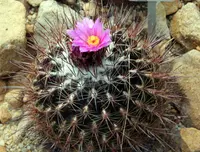
Thelocactus conothelos is a small, slow-growing cactus native to arid regions of northeastern Mexico. It typically forms a single rounded stem with pronounced ribs and sturdy spines. In season it produces relatively large, showy flowers that contrast with its compact body. This makes it attractive for collectors and small indoor displays. The species prefers bright light, low humidity, and very well-drained, mineral-rich soil. Its slow growth and sensitivity to excess moisture mean it is not ideal for very inattentive owners. However, once basic needs are understood, it is straightforward to care for Thelocactus conothelos in a stable environment.

Care Difficulty
Moderate Care

Light Preference
Full Sun

Water Requirements
Low Water

Temperature Preference
Tropical / Frost Sensitive

Hardiness Zone
9–11

Soil Texture
Sandy, Rocky, Loamy

Soil pH
Slightly acidic (6.5–7.0), Neutral (7.0)

Soil Drainage
Well-drained

Fertilization
Minimal (feed rarely)
Scan your plant to receive care tips personalized for your specific plant
Available on iOS and Android
This small desert cactus needs strong, direct light to stay compact and flower well.
This species prefers thorough but infrequent watering that mimics brief desert rains.
This cactus is adapted to warm, arid conditions with cool but not freezing winters.
This cactus prefers very dry air and usually does best in 20–40% humidity.
This small desert cactus needs a very fast-draining, mineral-rich substrate to prevent root rot.
This species is well suited to container cultivation when the pot limits excess moisture around the roots.
This desert cactus needs only light, occasional nutrition to support slow, healthy growth.
Pruning needs are minimal and focus on keeping the plant clean and safe to handle.
Repotting is infrequent, mainly to refresh mineral substrate and give limited extra space for roots.
Propagation of this cactus is usually done from seed and is moderately slow.
Winter care focuses on cool, very dry conditions and protection from severe cold.

Plant Health Check
Not sure what's wrong with your plant? Check your plant's health inside the app.
This species is divided into several subspecies (such as subsp. conothelos and subsp. aurantiacus) that differ clearly in flower color and spine form, illustrating how local microclimates in northeastern Mexico drive morphological variation within a single cactus species.
Instead of broad ribs, this cactus has prominent cone-shaped tubercles that act as modular water-storage units, allowing the stem to swell after rare rains and gradually shrink during extended drought.
In habitat, it typically flowers in late winter to spring after cool, dry rest conditions, timing its bright funnel-shaped blooms to coincide with increased pollinator activity and the onset of more reliable moisture.
This species usually flowers in spring to early summer. It produces relatively large funnel-shaped blooms, often pink to magenta with a lighter center, emerging from the apex of the stem in favorable conditions.
Keep your plants happy and healthy with plant identification, disease detection, and easy care guidance.

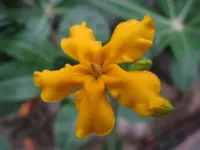
Pachypodium densiflorum
Pachypodium densiflorum
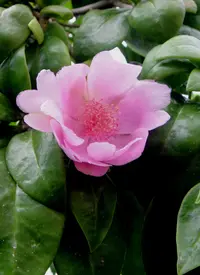
Bayahibe rose
Leuenbergeria quisqueyana
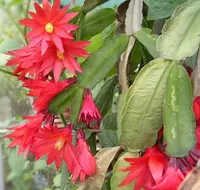
Easter Cactus
Rhipsalidopsis gaertneri
miniature barrel cactus
Thelocactus setispinus

Acanthocalycium leucanthum
Acanthocalycium leucanthum
Dancing bones cactus
Hatiora salicornioides
Ariocarpus retusus
Ariocarpus retusus
Cactus
Parodia scopa