Pachypodium densiflorum Care

Pachypodium densiflorum

About Pachypodium densiflorum

Pachypodium densiflorum is a succulent shrub from Madagascar, known for its swollen, bottle-like trunk called a caudex that stores water. Short, spiny branches and narrow green leaves form a compact crown on top.

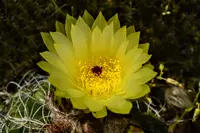
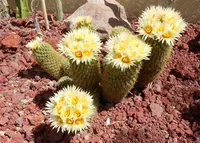
In season, it produces bright yellow, funnel-shaped flowers that contrast with the gray, armored trunk. Growth is slow, and the plant often stays quite compact in pots, which makes it suitable for small indoor collections.

This species prefers strong light, gritty fast-draining soil, and careful watering, which shapes how to care for Pachypodium densiflorum and keep it stable over time.

Main Plant Requirements

Care Difficulty

Moderate Care

Light Preference

Full Sun

Water Requirements

Low Water

Temperature Preference

Tropical / Frost Sensitive

Hardiness Zone

10–11

Soil Texture

Sandy, Loamy, Rocky

Soil pH

Acidic (5.5–6.5), Slightly acidic (6.5–7.0)

Soil Drainage

Well-drained

Fertilization

Minimal (feed rarely)

Get Personalized Care Plan

Scan your plant to receive care tips personalized for your specific plant

Available on iOS and Android

How to Care for the Pachypodium densiflorum

This succulent shrub thrives in strong light similar to its native Madagascar habitat.

  • Provide 6–8 hours of direct sun daily, ideally with gentle morning sun and some protection from harsh midafternoon summer sun in very hot climates.
  • Plant Pachypodium densiflorum in an open, unshaded spot; it tolerates light afternoon shade but becomes thin and elongated if light drops below roughly 4–5 hours direct sun.
  • In winter, especially in higher latitudes, maximize sun by placing it in the brightest possible position, as low-angle light is weaker and days are shorter.

This species stores water in its caudex and needs careful, sparing watering to avoid root rot.

  • During active growth in spring–summer, water only when the top 3–5 cm of soil are completely dry, then soak thoroughly and let excess drain away fully.
  • Use a very fast-draining, gritty mix; persistent moisture, a sour smell, or yellow, soft leaves indicate overwatering and possible root issues.
  • In fall–winter, especially if foliage drops, reduce watering sharply to light sips every few weeks, watching that the caudex stays firm rather than shriveled.

This drought-adapted plant prefers warm, dry air and reacts poorly to cold, damp conditions.

  • Aim for 70–85°F (21–29°C) during the growing season, which supports steady stem and leaf development without stress.
  • Protect from temperatures below 45°F (7°C); brief dips to 40°F (4°C) may be tolerated if completely dry, but frost will damage or kill tissues.
  • In hot spells above 95°F (35°C), it copes well if soil is sharply drained and air moves freely, but avoid combined heat and high humidity to reduce rot risk.

This species tolerates typical indoor humidity and prefers relatively dry air.

  • Target 30–50% humidity, avoiding persistently high humidity that encourages stem and root rot.
  • Dry household air is usually acceptable; do not use humidifiers or pebble trays around Pachypodium densiflorum.
  • Watch for soft, blackened stem tissue or lingering surface moisture as signs humidity is too high.

This succulent shrub needs a very fast-draining, mineral-rich substrate to protect its caudex and roots from rot.

  • Use a gritty mix such as 40% cactus potting mix, 40% coarse mineral material (pumice, perlite, lava rock), and 20% coarse sand or fine gravel.
  • Aim for slightly acidic to neutral pH around 6.0–7.0, which supports nutrient uptake without increasing toxicity risks.
  • Ensure a loose, open structure so water runs through in seconds and the mix dries fully within a few days.
  • Avoid peat-heavy, compact, or water-retentive media and any mix that stays wet or muddy after irrigation.

This species is well suited to container culture due to its compact but heavy caudex and slow growth.

  • Choose a wide, low pot to support the top-heavy caudex and reduce the risk of tipping in strong sun or wind.
  • Select unglazed terracotta if extra evaporation is needed, as it helps the mineral mix dry faster between waterings.
  • Ensure drainage holes are large and unobstructed so excess water escapes quickly from the dense, rocky substrate.

This drought-adapted succulent needs modest feeding to support slow, healthy growth in containers.

  • Use a balanced liquid cactus fertilizer at 1/4–1/2 strength, or a light top-dressing of fine compost, during active growth.
  • Feed Pachypodium densiflorum every 4–6 weeks in spring and summer only, when days are warm and bright.
  • Avoid fertilizing in fall and winter dormancy to prevent weak, elongated growth and root stress.
  • Water before applying any fertilizer to reduce the risk of root burn in the caudex and fine feeder roots.

This species requires minimal pruning and is mainly trimmed to remove damage and refine shape.

  • Best timing is late spring, once active growth is visible and frost risk has passed.
  • Remove dead, shriveled, or clearly damaged branches using clean, sharp pruning shears.
  • Thin out badly crossing or congested stems only if they risk breakage or trap moisture.
  • Light, careful pruning can slightly refine outline, but Pachypodium densiflorum naturally keeps a sculptural habit.

This caudiciform succulent prefers to stay slightly root-bound and is repotted infrequently to avoid stress.

  • Repot every 3–4 years, or when roots circle the pot base or emerge from drainage holes and growth slows.
  • Schedule repotting for late spring, just before strong warm-season growth begins.
  • Choose a shallow, heavy container with excellent drainage and a very gritty cactus mix to stabilize the caudex.
  • Gently loosen the root ball, remove decayed roots, replant at the same depth, then keep slightly dry for 7–10 days to limit shock.

Most home growers rely on seeds, as vegetative propagation of this species is slow and unreliable.

  • Collect or purchase fresh seed; sow in late spring to early summer for warm, stable conditions.
  • Use a sterile, very well-drained mix, keep temperatures around 75–85°F, and provide bright, indirect light.
  • Maintain lightly moist, not wet, substrate and good air circulation until seedlings develop firm caudices.
  • Transplant seedlings only when roots are established, handling the caudex gently to avoid mechanical damage.

This plant is not frost hardy and needs careful winter management in most climates.

  • Keep temperatures above 40–45°F; prolonged exposure near freezing can damage tissues and roots.
  • Move container plants indoors or into a cool, bright greenhouse before nighttime lows drop too far.
  • Provide maximum light indoors and allow the soil to dry almost completely between sparse waterings.
  • Avoid mulching tightly against the caudex; instead, keep it dry and well ventilated during dormancy.

Care Tips

Caudex health check

Inspect the caudex surface every few weeks for soft spots, cracks, or dark patches, and gently lift the plant from its pot once a year to ensure the underground portion is firm and not rotting.


Targeted spine brushing

Use a dry, soft paintbrush or toothbrush to dislodge dust and spider mites from between the spines, then follow with a light spray of plain water on the foliage only, avoiding prolonged moisture on the caudex.

Controlled branching

If the plant becomes very tall and thin, perform a single, clean stem tip cut in late spring and leave at least 3–5 cm of healthy stem above the caudex to encourage multiple new branches while reducing top-heaviness.

Stability and anchoring

When repotting, set the root ball deeper than the caudex and use a heavy, mineral-rich substrate layer at the bottom of the pot so the plant does not tip over as its canopy becomes larger.

Seasonal root inspection

At the end of winter dormancy, unpot the plant briefly to check for dead, black, or mushy roots, trimming them with sterile scissors and repotting into fresh, dry mix before watering to support healthy growing Pachypodium densiflorum.

Common Pests and Diseases

Mealybugs

This pest feeds on sap and often hides in leaf bases, areole clusters, and the top of the caudex, leaving white cottony masses and sticky honeydew. Symptoms include distorted new growth, slowed growth, and sooty mold developing on the exudate.

Solution

Remove visible insects with a cotton swab dipped in 70% isopropyl alcohol, then wash the plant gently with lukewarm water and allow it to dry in bright, airy conditions. For persistent infestations, apply a systemic insecticide labeled for succulents or use repeated applications of insecticidal soap, keeping the plant isolated from others until no new pests appear.

Spider mites

These insects thrive on Pachypodium in hot, dry indoor air and can cause fine speckling, dulling of the skin, and webbing between spines or at stem joints. Symptoms include yellowing patches and a general faded look to leaves and young tissue.

Solution

Increase humidity around the plant slightly without overwatering the soil, then rinse the stems and any foliage under a gentle stream of water to dislodge mites. Follow with repeated treatments using insecticidal soap or a miticide, making sure to cover areoles, spine bases, and leaf undersides, and reduce heat stress where possible to support Pachypodium densiflorum care instructions.

Scale insects

This pest appears as small, hard, brown or gray bumps on the caudex, stems, and occasionally leaf midribs, often blending with the rough bark. Symptoms include sticky honeydew, sooty mold, and gradual decline in vigor as sap is removed.

Solution

Manually scrape or lift off individual scales with a soft toothbrush or fingernail, taking care not to damage the caudex skin, then wipe treated areas with diluted alcohol. In more severe cases, use a systemic insecticide or several rounds of horticultural oil, applied carefully in warm, dry conditions and only when the plant is not stressed from recent watering.

Soft caudex rot

This disease usually develops when the caudex stays wet and cool for too long, leading to localized soft, discolored, or sunken patches that may spread rapidly. Symptoms include a sour smell, collapsing tissue, and eventual plant death if not checked early.

Solution

At first signs, withhold all water, improve airflow, and move the plant to a warmer, brighter position; minor soft spots can sometimes dry and callus if kept completely dry. For advanced cases, cut back to firm, healthy tissue with a sterile blade, dust cuts with a dry fungicide or sulfur, allow a dry callus to form, and then re-root in a sterile, very fast-draining medium while maintaining careful moisture control.

Fungal leaf spots

This disease can appear on seasonal foliage during humid or poorly ventilated conditions, showing as small brown or black spots that may merge and cause premature leaf drop. Symptoms include yellow halos around lesions and thinning of the foliage during the growing season.

Solution

Remove affected leaves and any fallen debris, then improve air circulation and avoid wetting foliage when watering. If spotting continues, apply a broad-spectrum fungicide labeled for ornamental succulents during active growth, spacing treatments according to the label while keeping the plant in bright, dry conditions with good airflow.

Interesting Facts

Madagascan granite specialist

This species naturally grows on exposed granite and gneiss outcrops in central Madagascar, anchoring its roots in very shallow pockets of gritty soil where few other plants can survive.

Flattened water-storing caudex

It forms a distinctive, flattened, dome-like caudex that functions as a water-storage organ, allowing the plant to endure a long dry season in its native habitat.

Night-fragrant yellow flowers

Its bright yellow, funnel-shaped flowers often release a stronger scent in the evening and night, an adaptation linked to pollination by nocturnal moths in its natural range.

Botan icon

Did you know?

In habitat, this species often grows in full, intense sun with daytime rock-surface temperatures that can exceed typical air temperatures, yet its thick caudex and reduced, seasonal foliage help keep internal tissues protected from heat and water loss over many years.

FAQs about Pachypodium densiflorum

Growth is slow. In containers it may add only 1–3 cm of stem height per year, thickening the caudex gradually. Cooler temperatures, low light, small pots, and limited fertilizer slow growth even further.

Grow Healthy Plants with Botan Care

Keep your plants happy and healthy with plant identification, disease detection, and easy care guidance.

Botan plant care app — identify plants on mobile

Explore More Plants