Furcraea longaeva Care

Furcraea longaeva

About Furcraea longaeva

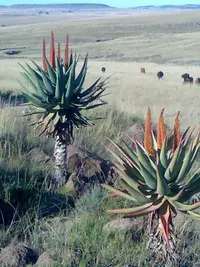
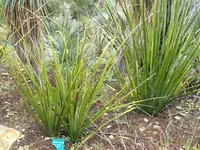
Furcraea longaeva is a large, architectural succulent from highland regions of central Mexico. It forms a striking rosette of thick, sword-shaped leaves with a rigid, upright habit. Mature plants can eventually send up a tall flowering stalk, then often die back after blooming, leaving offsets around the base.

This species prefers bright light, lean well-drained soil, and dry conditions between waterings. Its slow growth and drought tolerance make it suitable for low-maintenance landscapes in mild climates. For gardeners, learning how to care for Furcraea longaeva mainly involves controlling moisture and providing enough sun.

Main Plant Requirements

Care Difficulty

Moderate Care

Light Preference

Full Sun

Water Requirements

Low Water

Temperature Preference

Warm Climate

Hardiness Zone

9–11

Soil Texture

Sandy, Loamy, Rocky

Soil pH

Slightly acidic (6.5–7.0), Neutral (7.0)

Soil Drainage

Well-drained

Fertilization

Minimal (feed rarely)

Get Personalized Care Plan

Scan your plant to receive care tips personalized for your specific plant

Available on iOS and Android

How to Care for the Furcraea longaeva

This species prefers strong light similar to other high-altitude succulents, but not extreme reflected heat.

  • Provide 6–8 hours of direct sun outdoors, ideally with morning sun and light afternoon shade in very hot, dry regions.
  • Tolerates bright, open exposure but can scorch if combined with reflected heat from walls or paving; watch for bleaching or crispy leaf tips.
  • In cooler or coastal climates, full sun all day is suitable, while in hotter inland areas, aim for 2–4 hours of filtered light in midafternoon.

Watering should be infrequent and guided by soil dryness and climate.

  • In open ground with fast-draining soil, water only when the top 5–8 cm are completely dry; in arid summers this may mean deep watering every 2–4 weeks.
  • Use sharply draining, gritty soil or a slope so excess water runs off; standing water or heavy clay greatly increases root and crown rot risk.
  • Reduce watering to light, occasional soakings in cooler months; wrinkling or folding leaves suggest thirst, while soft, yellowing leaves suggest overwatering.

This plant is adapted to mild, dry climates with warm days and cool, but not freezing, nights.

  • Optimal growth occurs around 65–80°F (18–27°C), with steady warmth and low humidity promoting strong rosettes and root health.
  • Tolerates brief dips to about 28–30°F (-2 to -1°C) if dry, but repeated frosts damage leaves and can kill the growing point.
  • Handles dry heat up to 95–100°F (35–38°C) if soil drains quickly; in heat waves, avoid overhead watering at midday to reduce tissue stress on Furcraea longaeva.

This species is highly tolerant of dry air, so humidity is rarely a concern indoors or outdoors.

This succulent prefers mineral, fast-draining soil that mimics rocky, arid habitats.

  • Use a gritty mix of cactus potting soil with 30–50% coarse sand or fine gravel to prevent waterlogging.
  • Ensure the mix is loose and well aerated so roots receive consistent oxygen and excess water drains within minutes.
  • Aim for slightly acidic to neutral pH (6.0–7.0), avoiding very alkaline or heavy clay-based substrates.
  • Avoid dense, peat-heavy mixes that stay wet for long periods, which can trigger root and crown rot in Furcraea longaeva.

This species can be grown in large containers, especially in regions with cold winters.

  • Choose a wide, heavy container to counterbalance the tall, top-heavy rosette and prevent tipping in strong winds.
  • Select unglazed terracotta or similarly porous material to speed evaporation and reduce the risk of excess moisture around the roots.
  • Raise the pot on feet or spacers so drainage holes stay clear and water cannot pool under the container base.

This drought-adapted succulent needs minimal feeding, but light, balanced nutrition supports container-grown Furcraea longaeva.

  • Use a balanced, dilute liquid fertilizer (for example 10-10-10 at 1/4 strength) or a low-dose slow-release granule formulated for succulents.
  • Feed only during active growth in spring–summer, about every 6–8 weeks for potted plants; ground-grown plants often need none.
  • Avoid high-nitrogen formulas, which cause weak, elongated leaves and reduce structural strength.
  • Do not feed in fall–winter, allowing growth to slow naturally and roots to rest.

This species needs very little structural pruning, mainly hygiene trimming to keep the rosette clean and safe.

  • In late spring or summer, remove dead, yellowing, or damaged leaves at the base using clean, sharp pruning shears.
  • Cut close to the stem without gouging it, maintaining the natural architectural rosette shape of Furcraea longaeva.
  • Clear away any leaves that crowd walkways to prevent injury from sharp leaf margins and spines.
  • Disinfect tools before and after use with alcohol or a 10% bleach solution to limit disease spread.

This large, slow-growing succulent is usually transplanted only when rootbound or outgrowing its space.

  • Check for roots circling the pot, bulging container sides, or stalled growth as cues it needs a larger container or ground planting.
  • Carry out repotting or transplanting in late spring–early summer, when warm soil supports new root growth.
  • Plan on repotting every 3–5 years for container plants, choosing a pot just 5–8 cm wider with fast-draining gritty mix.
  • Gently loosen circling roots, keep the root ball as intact as possible, water lightly after planting, then keep soil slightly dry to limit stress.

New plants are most often raised from offsets and bulbils, with seed used less in home settings.

  • Separate basal offsets in late spring–summer once they have several firm leaves and a modest root system.
  • Plant offsets in a gritty, well-drained mix, then keep barely moist and bright but out of harsh midday sun until established.
  • If bulbils form on the flower stalk of Furcraea longaeva, detach when firm, pot shallowly, and treat like offsets.
  • For seeds, sow on the surface of a free-draining mix, keep warm (70–80°F) and lightly moist, though germination can be slow and uneven.

This succulent prefers mild, frost-free winters and benefits from protection in colder climates.

  • In-ground plants tolerate only brief light frosts; sustained temperatures below about 25°F can damage foliage and crowns.
  • Apply a dry mulch layer around the root zone in late fall, keeping it slightly away from the stem to avoid rot.
  • Wrap the rosette loosely with frost cloth during freezes, supporting the cover so leaves are not crushed.
  • Move container plants indoors or into an unheated but frost-free garage or greenhouse with bright light and very sparse watering.

Care Tips

Encourage Rosette Strength

Rotate the container a quarter turn every 2–3 months so the rosette develops evenly and the tall flower spike, when it eventually forms, is less likely to lean or topple.

Plan For Mature Size

Position the plant at least 1.5–2 m from paths, doorways, and seating because older leaves harden and the tall inflorescence can obstruct movement or be damaged by traffic.

Secure Large Containers

For tall specimens in pots, use a wide, heavy container and, in windy sites, place bricks or pavers on top of the soil surface to lower the center of gravity and reduce the risk of the plant blowing over.

Safe Leaf Handling

Wear sturdy gloves and long sleeves when removing old leaves, cutting from the base with a clean, sharp tool to avoid injury from the rigid leaf margins and to prevent tearing that can invite rot.

Manage Offsets Wisely

If pups or bulbils form, either remove them promptly to keep energy focused on the main rosette or pot them up in a separate, very gritty mix if you want to propagate and grow Furcraea longaeva for additional landscape plants.

Common Pests and Diseases

Agave snout weevil

This pest bores into the base of the rosette and feeds on internal tissues, often causing sudden collapse of the plant. Symptoms include yellowing, wilting, and a soft, foul-smelling crown.

Solution

Remove and destroy any infested plants promptly, including as much of the root system as possible, to reduce local populations. Avoid wounds at the base, keep plants stress-free with well-drained soil, and in areas where this weevil is present, use a targeted soil-applied systemic insecticide around the base of high‑value plants in early spring according to label directions.

Pulvinaria scale

These insects appear as white, cottony or waxy masses on leaves and leaf bases, sucking sap and causing yellowing, reduced vigor, and honeydew deposits. Sooty mold may grow on the honeydew, further disfiguring the foliage.

Solution

Physically remove scales and egg sacs with a soft brush or cloth and discard them, then wash foliage with a mild soapy water solution and rinse thoroughly. For persistent infestations, apply a horticultural oil or insecticidal soap, making sure to coat leaf bases and undersides, and repeat at labeled intervals.

Aloe mite (eriophyid mite)

This pest causes distorted, swollen, or blistered growth known as galls on leaves and inflorescences. Symptoms include corky or wart-like tissue and abnormal rosette shape, especially on older specimens grown in succulent collections.

Solution

Cut out and dispose of all affected tissue well below visible damage, bagging and discarding it in the trash, not compost. Isolate affected plants, improve spacing and air movement, and in collections with recurring problems, use a miticide specifically labeled for eriophyid mites, applying carefully to growing points.

Leaf spot

This disease produces small brown to dark lesions on leaves that may expand and merge, sometimes with a yellow halo. Symptoms include cosmetic damage and, in severe cases, premature leaf dieback on lower, older foliage.

Solution

Remove and discard affected leaves to reduce inoculum, and water at the soil level rather than overhead to keep foliage dry. Improve spacing and airflow, avoid prolonged leaf wetness, and if spotting progresses, apply a broad-spectrum fungicide labeled for succulent or ornamental foliage plants, following label instructions and retreating as needed.

Crown and stem rot

This disease is typically caused by soilborne fungi in poorly drained conditions and leads to soft, water-soaked tissue at the crown and lower stem. Symptoms include a foul odor, rosette collapse, and rapid decline, especially in heavy or waterlogged soils.

Solution

Discard severely affected plants, including surrounding contaminated soil, to prevent spread, and avoid replanting susceptible succulents in the same poorly drained spot. To grow Furcraea longaeva successfully in risk-prone areas, use raised beds or mounds with very sharp drainage, water deeply but infrequently, and consider a preventive soil drench fungicide only for valuable landscape specimens in high-pressure sites.

Interesting Facts

Century-scale rosette lifespan

This species can maintain its massive rosette for several decades before flowering, significantly longer than most related agave-like succulents that bloom in 10–30 years.

Towering flower spike

When it finally blooms, it produces a huge branched flowering stalk that can reach the height of a small tree, carrying thousands of greenish-white, bell-shaped flowers.

High-elevation specialist

Furcraea longaeva is native to cool, high-elevation zones in central Mexico, where it grows on rocky slopes and cliffs rather than the hotter, lowland habitats typical of many succulents.

Botan icon

Did you know?

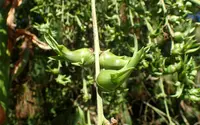
After flowering, this monocarpic species dies back, but the enormous inflorescence often produces numerous bulbils (small plantlets) along its branches, allowing a single flowering event to generate a whole cohort of genetically identical offspring on the surrounding rocky slopes.

FAQs about Furcraea longaeva

This species is monocarpic, so it flowers only once at a very mature age, often after several decades. Lack of blooms in younger plants is normal and does not indicate poor health or care problems.

Grow Healthy Plants with Botan Care

Keep your plants happy and healthy with plant identification, disease detection, and easy care guidance.

Botan plant care app — identify plants on mobile

Explore More Plants