New Mexico false yucca Care (Hesperaloe funifera)

New Mexico false yucca

About New Mexico false yucca

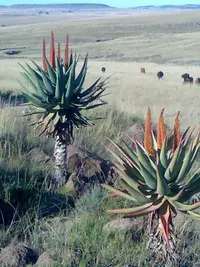
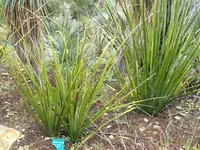
New Mexico false yucca (Hesperaloe funifera) is a dryland evergreen perennial from Texas and northern Mexico, often used as a structural accent in arid landscapes. It forms dense clumps of long, narrow, stiff leaves with fibrous threads along the edges, creating a bold, architectural look.

Over time it develops a fountain-like shape and may send up tall stalks of small, tubular flowers attractive to pollinators. This species is adapted to heat, sun, and drought, which makes it relatively simple to care for New Mexico false yucca in low-rainfall, well-drained sites.

It prefers full sun, minimal watering once established, and gritty or sandy soil that does not stay wet for long periods.

Main Plant Requirements

Care Difficulty

Easy Care

Light Preference

Full Sun

Water Requirements

Low Water

Temperature Preference

Cold Hardy

Hardiness Zone

7–11

Soil Texture

Sandy, Loamy, Rocky

Soil pH

Slightly acidic (6.5–7.0), Slightly alkaline (7.0–7.5)

Soil Drainage

Well-drained

Fertilization

Minimal (feed rarely)

Get Personalized Care Plan

Scan your plant to receive care tips personalized for your specific plant

Available on iOS and Android

How to Care for the New Mexico false yucca

This desert perennial thrives in strong light and is best sited in open, unobstructed sun.

  • Provide 6–10 hours of direct sun daily; full sun all day suits New Mexico false yucca in most arid and semi-arid climates.
  • In hotter regions, aim for full morning sun with light afternoon shade to reduce leaf scorch and stress during extreme summer heat.
  • In partial shade (3–4 hours of sun), plants survive but flower less; move or prune nearby shade sources if growth becomes weak or floppy.

This species is highly drought tolerant and prefers infrequent, deep watering once established.

  • Allow the top 5–8 cm of soil to dry completely before watering; in arid climates this may mean every 2–4 weeks, depending on rainfall.
  • Use fast-draining, gritty soil and avoid low spots where water pools, since Hesperaloe funifera is prone to root rot in soggy conditions.
  • Signs of underwatering include curling or browning leaf tips, while overwatering shows as yellowing, limp leaves and blackened crown tissue.

This plant is adapted to hot, arid climates but also tolerates substantial cold once established.

  • Optimal growth occurs around 70–90°F (21–32°C), with strong performance in warm springs and hot, dry summers.
  • Mature plants tolerate down to about 0–10°F (-18 to -12°C); brief dips slightly below may be survived if soil drains quickly.
  • Young plants benefit from protection during hard frosts and from mulch around the base in winter and during extreme heat above 100°F (38°C).

This species is highly tolerant of dry air, so humidity control is rarely necessary.

This desert perennial prefers very fast-draining, mineral-rich soil to prevent root rot.

  • Use a sandy or gritty mix with low organic matter, such as cactus mix blended with extra coarse sand or fine gravel.
  • Aim for slightly alkaline to neutral pH around 7.0–8.0, avoiding acidic peat-based mixes.
  • Improve drainage and aeration by incorporating 30–50% mineral aggregates like pumice, perlite, or crushed granite.
  • Avoid compacted, clay-heavy, or water-retentive substrates, which quickly damage Hesperaloe funifera roots.

This species can grow successfully in containers when the pot is chosen for drainage and stability.

  • Select a deep, heavy container that resists tipping, since mature rosettes become tall and top-heavy.
  • Choose unglazed clay if extra evaporation is needed in wet or humid climates, or thicker-walled pots in very hot, dry sites.
  • Raise the pot on feet or bricks so drainage holes stay clear and excess water can escape rapidly after storms.

This desert-adapted species needs only light feeding in most garden soils to maintain steady growth.

  • Apply a thin layer of compost around the root zone in spring to support soil life and gentle nutrition.
  • In lean, sandy soils, use a balanced slow-release fertilizer (around 10-10-10) once in late spring for caring for New Mexico false yucca.
  • Dilute liquid balanced fertilizer to 25–50% strength if used in containers during the active growing season.
  • Avoid feeding in fall and winter, when growth slows, to prevent weak, cold-sensitive tissues.

Pruning Hesperaloe funifera is minimal and mainly focuses on cleanliness and safety around the sharp leaves.

  • Best time is late winter to early spring, before vigorous new growth begins.
  • Remove dead, dried, or winter-damaged leaves at the base using sharp bypass pruners or loppers.
  • Cut spent flower stalks down to the crown after flowering to keep the clump tidy and emphasize its architectural form.
  • Avoid cutting into healthy green leaves, as this can leave unsightly stubs and slightly reduce vigor.

This plant is usually grown in the ground, with transplanting needed only when access, spacing, or design changes.

  • Check for signs such as roots circling a container, soil drying very fast, or noticeably slowed growth in potted plants.
  • Plan any transplanting or up-potting for late spring to early summer, once frost risk is past and soil has warmed.
  • Expect container plants to need a larger pot only every 3–5 years, since growth is relatively slow.
  • Water thoroughly a day before moving, handle the root ball gently, and shade the plant for several days afterward to reduce stress.

Propagation of Hesperaloe funifera is most often done by seed and, less commonly, by careful division of offsets.

  • Collect ripe seed pods in late summer to fall and dry them before extracting seeds.
  • Sow seeds in a gritty, well-drained mix, barely covered, and keep at 68–75°F with bright light for germination.
  • Use division only on mature clumps with clear offsets, lifting and separating sections with a clean, sharp knife.
  • Allow cut surfaces to dry and callus for 1–2 days, then plant in fast-draining soil and water lightly until established.

This species is quite cold hardy and often needs little specific winter care in mild to moderate climates.

  • Established plants tolerate light to moderate frost, but prolonged wet cold can stress roots.
  • Apply a 5–8 cm layer of coarse, dry mulch around the base in fall, keeping it just away from the crown.
  • In very cold regions, grow in containers and move indoors or into an unheated garage during hard freezes.

Care Tips

Prevent crown rot

Set the plant on a slight mound or raised berm so the crown sits a few cm above surrounding soil, which keeps water from pooling at the base and greatly reduces rot risk in wet periods.

Control clump size

Every 5–7 years, slice off and remove outer offsets with a sharp spade at soil level in late winter to keep the clump from overcrowding and to maintain a tidy, accessible rosette.

Support tall stalks

In windy sites, run a discreet loop of soft landscape tie between tall flowering stalks and a sturdy stake placed upwind, which prevents wind snap without restricting natural movement.

Gravel mulch band

Apply a 5–8 cm band of coarse gravel or crushed stone around the base instead of organic mulch to reflect heat, improve drainage at the crown, and prevent rot from wet mulch contact.

Winter wet management

In regions with cold, wet winters, slightly tilt planting sites or use a low, sloped rock garden bed so water drains away from roots, which is critical for growing New Mexico false yucca in heavy soils.

Common Pests and Diseases

Yucca plant bug

This pest feeds on the leaves, causing pale stippling, bronzing, and sometimes rough, corky patches on the blades. Symptoms include scattered yellow spots that can merge into larger discolored areas on stressed plants.

Solution

Prune out heavily damaged leaves and discard them. For active infestations, spray foliage thoroughly with a strong jet of water, then use an insecticidal soap or a pyrethrin-based product labeled for ornamental yuccas, repeating every 7–10 days until new growth appears clean.

Agave snout weevil

This pest sometimes attacks related xeric plants, boring into the crown and causing sudden collapse or yellowing of the rosette. Symptoms include wilting despite dry-friendly conditions and foul-smelling, mushy tissue at the base.

Solution

Remove and destroy any affected plant, including as much root and surrounding soil as possible, to prevent adult spread. Avoid wounding the crown when planting or dividing, and in areas with a history of this pest, use a systemic insecticide labeled for snout weevils on nearby susceptible agaves to reduce pressure on Hesperaloe plantings.

Leaf spot

This disease causes scattered brown, tan, or purplish spots on the leaves, often with a lighter center and darker margin. Symptoms include cosmetic spotting that can coalesce along the leaf blade under humid, stagnant conditions.

Solution

Trim off and discard badly spotted leaves and avoid overhead watering that keeps foliage wet for many hours. Improve spacing and airflow, and if spotting progresses, apply a copper-based or chlorothalonil fungicide labeled for ornamental landscape plants, following label intervals until new leaves emerge clean.

Crown rot

This disease develops when plants sit in poorly drained or frequently saturated soil, leading to soft, dark, collapsing tissue at the crown. Symptoms include yellowing, loss of lower leaves, and eventual plant collapse from the base upward.

Solution

Dig up and discard severely affected plants, including any obviously rotted roots. For prevention, plant in sharply draining soil or raised beds, avoid frequent shallow irrigation, and use gravel or coarse sand amendments in heavy soils to support long-term Hesperaloe funifera plant care in arid and semi-arid landscapes.

Interesting Facts

Natural leaf fibers

This species produces long, strong fibers along its leaf margins, which have been traditionally used in Mexico and the southwestern US for cordage, brushes, and coarse textiles.

Desert-adapted rosette

It forms a large, trunkless rosette up to several feet across, with stiff, narrow leaves that reduce surface area and water loss, an adaptation to its native arid habitats in Texas and northeastern Mexico.

Tall paniculate flowers

Mature plants send up a tall, branched flower stalk bearing many greenish-white to cream flowers that attract night-flying moths and other pollinators in dry, open landscapes.

Botan icon

Did you know?

Genetic and morphological studies show that despite its common name and yucca-like appearance, this species is not a true yucca but belongs to a different lineage within the asparagus family, illustrating convergent evolution toward similar desert rosette forms.

FAQs about New Mexico false yucca

This species often takes several years to flower and needs strong light, maturity, and freedom from stress. Crowding, recent transplanting, or nutrient-rich, moisture-retentive soil can delay blooms, even if the foliage appears healthy and robust.

Grow Healthy Plants with Botan Care

Keep your plants happy and healthy with plant identification, disease detection, and easy care guidance.

Botan plant care app — identify plants on mobile

Explore More Plants