Mammillaria columbiana Care

Mammillaria columbiana

About Mammillaria columbiana

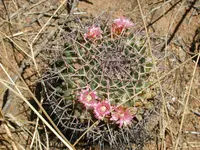
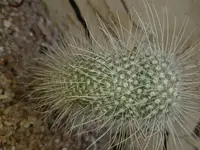
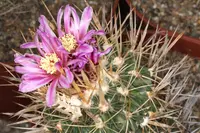
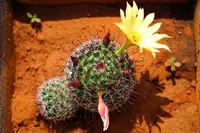
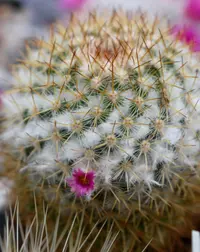
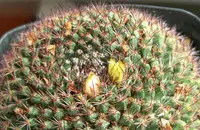
Mammillaria columbiana is a small, clustering cactus native to dry regions of Colombia and nearby areas in northern South America. It forms tight mounds of rounded stems covered in dense white spines with longer, darker central spines. In good light it produces small, ring-shaped flowers near the stem tips, usually in soft shades of yellow to pink, followed by bright red fruits. This species stays compact, which makes it suitable for containers and small indoor collections. It is generally considered easy to grow for those who learn how to care for Mammillaria columbiana, as it prefers strong light, low to moderate watering, and a very well-drained, gritty soil mix.

Main Plant Requirements

Care Difficulty

Easy Care

Light Preference

Full Sun

Water Requirements

Low Water

Temperature Preference

Tropical / Frost Sensitive

Hardiness Zone

10–11

Soil Texture

Sandy, Loamy, Rocky

Soil pH

Slightly acidic (6.5–7.0), Neutral (7.0)

Soil Drainage

Well-drained

Fertilization

Minimal (feed rarely)

Get Personalized Care Plan

Scan your plant to receive care tips personalized for your specific plant

Available on iOS and Android

How to Care for the Mammillaria columbiana

This small cactus prefers bright, direct light but benefits from some protection during the harshest hours.

  • Provide 4–6 hours of direct morning sun plus bright, indirect light for the rest of the day to support compact, healthy growth in Mammillaria columbiana.
  • In very hot climates, give light afternoon shade or filtered sun after 1–2 pm to prevent scorching, bleaching, and wrinkling of stems.
  • If grown in partial shade (3–4 hours direct sun), rotate the plant weekly and watch for stretching or leaning as signs of insufficient light.

This species prefers deep, infrequent watering that fully dries out between soakings.

  • Water only when the top 3–5 cm of soil are completely dry; the cactus should feel firm, not soft or shriveled, before watering again.
  • Use fast-draining, gritty soil so water runs through quickly; empty any standing water to reduce root rot risk and black, mushy tissue.
  • In spring–summer, you may water every 10–21 days depending on drying speed; in fall–winter, reduce drastically or stop if growth is dormant.

This cactus is adapted to warm, dry conditions with a marked difference between summer growth and winter rest.

  • Aim for 70–85°F (21–29°C) during active growth, with good airflow to handle brief spikes up to 95°F (35°C) if soil stays dry.
  • In winter, cooler rest at 50–60°F (10–16°C) encourages flowering, provided the plant is kept almost completely dry.
  • Avoid frost; brief drops to 32°F (0°C) may cause damage, so protect from freezing nights and sudden cold drafts, especially when soil is moist.

This cactus prefers dry air and usually does not need special humidity management indoors.

This species needs a very fast-draining, mineral-rich mix to prevent root rot.

  • Use a gritty mix such as 50–60% inorganic materials (pumice, coarse sand, small gravel) with 40–50% cactus potting substrate.
  • Aim for slightly acidic to neutral pH around 6.0–7.0, avoiding strongly acidic or alkaline mixes.
  • Ensure the texture stays open and airy so water drains through in seconds, not minutes, after watering.
  • Avoid heavy, peat-dominant or clay-based soils that stay wet or compact, as these suffocate roots.

This species is well suited to container growing.

  • Choose a shallow, wide pot that matches the shallow root system and keeps the plant stable as clumps expand.
  • Select unglazed terracotta if extra moisture evaporation is needed in cooler or less sunny positions.
  • Elevate the pot slightly on feet or pot risers so drainage holes stay clear and water runs off freely.

This small cactus needs modest feeding, with more focus on light and drainage than nutrients.

  • Use a low-dose balanced cactus fertilizer (diluted to 25–50% strength) or a light top-dressing of compost in spring.
  • Feed Mammillaria columbiana once at the start of active growth, then again mid-summer if growth continues.
  • Avoid high-nitrogen products, which cause soft, weak tissue and fewer flowers.
  • Stop feeding in late summer so the plant can harden growth before its winter rest.

Pruning needs are minimal and usually limited to health and safety maintenance.

  • Best time for any work is late spring to early summer, when the plant is actively growing.
  • Remove only dead, diseased, or damaged stems using long tweezers and clean, sharp scissors or snips.
  • Trim spent, rotting offsets at the base to maintain a compact clump and reduce disease risk.
  • Avoid cutting healthy tissue, as this species naturally forms a rounded cushion shape without shaping.

This cactus prefers to stay slightly root-bound and is disturbed only when necessary.

  • Repot every 3–4 years or when roots circle the pot, growth slows, or soil stays wet too long.
  • Choose late spring for repotting, using a shallow pot with drainage and a gritty cactus mix.
  • Lift the plant gently, remove loose old soil, and handle by the root ball or with tongs to avoid damage.
  • Let roots dry 2–3 days after repotting, then water lightly to limit transplant shock and rot risk.

Propagation is commonly done from offsets, with seeds used when offsets are scarce.

  • Detach firm, healthy offsets in late spring or early summer using sterile scissors or a twisting motion.
  • Allow cut surfaces to dry and callus for 3–7 days in a shaded, airy place before planting.
  • Set offsets on or just into a dry, gritty mix; begin very light watering once roots form.
  • For seeds, sow on the surface of barely moist cactus mix, keep warm (70–80°F) and bright, and cover lightly.

Winter care for this cactus focuses on keeping it cool, dry, and above freezing.

  • Maintain temperatures around 45–55°F; avoid exposure below 32°F, especially for potted plants.
  • Move containers indoors or to a cold greenhouse before hard frost and provide maximum light.
  • Keep soil almost completely dry in winter to prevent root rot and support flowering next season.
  • Ensure the plant sits in a ventilated, unheated but frost-free spot rather than a warm, dim room.

Care Tips

Cluster management

Rotate the pot a quarter turn every 2–3 weeks so offsets receive even light, which encourages symmetrical clumping and prevents leaning toward a single light source.

Safe handling setup

Use folded newspaper strips or silicone-tipped tongs instead of bare hands when repotting or removing offsets to avoid damage to the tubercles and spines as well as to your skin.

Offset propagation

When removing pups, let the cut or broken base dry for 5–7 days until a callus forms, then place on barely moist, gritty mix to root, keeping the base just resting on the surface rather than buried.

Winter rest adjustment

In cooler months reduce both water and fertilizer and keep the plant in the brightest possible spot to provide a short dry rest period that supports better flowering the following season when growing Mammillaria columbiana.

Targeted pest checks

Inspect woolly areoles and the plant base monthly with a magnifier, and at the first sign of mealybugs or scale, isolate the plant and dab visible pests with cotton swabs dipped in isopropyl alcohol 70% before any systemic treatment.

Common Pests and Diseases

Mealybugs

This pest feeds on cactus stems and hides in the woolly areoles, causing yellowing and weak, stunted growth.

Solution

Isolate the plant, then dab visible mealybugs with cotton swabs dipped in 70% isopropyl alcohol and repeat weekly; for larger infestations, use a systemic insecticide labeled for cacti and improve air movement and light to reduce reinfestation while caring for Mammillaria columbiana.

Red spider mites

These insects are tiny sap feeders that thrive in hot, dry, stagnant air and can cause a dull, bronzed or speckled appearance on the stems.

Solution

Increase humidity slightly around the plant without wetting the crown, then rinse the cactus gently with lukewarm water and apply a miticide or horticultural soap approved for succulents, repeating according to label directions while improving ventilation and light exposure.

Scale insects

This pest appears as hard, small, brown to gray bumps on ribs or between tubercles and causes gradual yellowing and decline.

Solution

Manually scrape or lift off individual scales with a blunt tool or soft toothbrush, then treat remaining insects with repeated applications of alcohol swabs or a systemic insecticide, making sure the plant dries quickly and is kept in bright, well-ventilated conditions.

Corky scab

This disease produces rough, brown, corky patches on older stem areas, often triggered by mechanical damage, sunburn, or erratic watering in mature plants.

Solution

Remove any loose, dead tissue with sterile tools if present, adjust watering to allow full drying between waterings, and protect the plant from sudden intense sun; avoid overhead watering and physical damage since existing scars are permanent but can be prevented from spreading.

Fusarium stem rot

This disease begins as soft, discolored areas at the base or on wounds and can spread internally, leading to collapse of affected stems or offsets.

Solution

At an early stage, cut away all infected tissue with a sterile knife back to firm, healthy tissue, allow the wound to callus in a dry, shaded place for several days, then replant in fresh, mineral-rich, fast-draining cactus mix and maintain very sparing watering until strong new root growth forms.

Interesting Facts

Colombian Andean native

This species is naturally distributed in Colombia, especially in Andean and sub-Andean regions, often on rocky slopes and open scrub where it experiences strong sun, sharp drainage, and pronounced dry seasons.

Cluster-forming growth

Plants tend to form dense clumps of many stems over time, with individual heads remaining relatively small, which allows the colony to occupy cracks and pockets in rock while minimizing water loss.

Distinctive spine pattern

It typically shows a clear contrast between pale, radial spines and stronger central spines that can be darker or hooked, creating a protective mesh that shades the epidermis and deters herbivores in its open habitats.

Botan icon

Did you know?

In its native range, this cactus can sometimes be found growing epiphytically in debris-filled tree crotches or rock crevices above ground, using accumulated organic matter as a rooting substrate rather than typical soil.

FAQs about Mammillaria columbiana

This species stays compact, usually forming low, rounded stems that cluster over time rather than growing tall. Mature clumps can slowly widen, but individual stems remain relatively short, making it suitable for small spaces and dish gardens.

Grow Healthy Plants with Botan Care

Keep your plants happy and healthy with plant identification, disease detection, and easy care guidance.

Botan plant care app — identify plants on mobile

Explore More Plants