Coastal Galenia Care (Aizoon pubescens)

Coastal Galenia

About Coastal Galenia

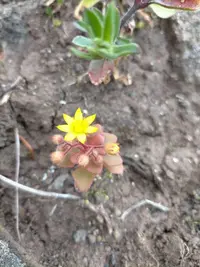
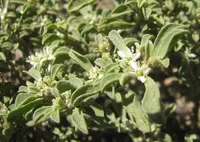
Coastal galenia (Aizoon pubescens) is a low, spreading groundcover from coastal regions of South Africa and Western Australia. It forms dense mats of small, grey‑green, slightly hairy leaves. Tiny yellow star‑shaped flowers appear close to the foliage, giving the plant a subtle but attractive look rather than a showy display. This species is adapted to dry, windy sites and poor, sandy soils, which makes it quite tough in similar garden conditions. It suits rock gardens, coastal landscapes, and erosion control where a hardy carpet is needed. Gardeners who learn how to care for Coastal Galenia find it straightforward in full sun, with good drainage and only occasional watering once established.

Main Plant Requirements

Care Difficulty

Easy Care

Light Preference

Full Sun

Water Requirements

Low Water

Temperature Preference

Warm Climate

Hardiness Zone

9–11

Soil Texture

Sandy, Loamy, Rocky

Soil pH

Slightly acidic (6.5–7.0), Slightly alkaline (7.0–7.5)

Soil Drainage

Well-drained

Fertilization

Minimal (feed rarely)

Get Personalized Care Plan

Scan your plant to receive care tips personalized for your specific plant

Available on iOS and Android

How to Care for the Coastal Galenia

Aizoon pubescens is a tough coastal groundcover that thrives in strong light but still needs protection from extremes.

  • Provide 6–8 hours of direct sun daily; full sun suits most climates, with light afternoon shade in very hot inland areas.
  • Plant where it receives morning sun and, if possible, filtered or dappled light after 2–3 p.m. to reduce leaf scorch on young Coastal Galenia plants.
  • In winter, maximize exposure by avoiding heavy shade from buildings or shrubs, since low light leads to sparse, open growth.

Aizoon pubescens is drought tolerant and prefers soil that dries between waterings.

  • Allow the top 3–5 cm of soil to dry before watering; in most coastal or dry regions, natural rainfall is often enough once plants are established.
  • Use sharply drained, sandy or gravelly soil so water does not pool; yellowing, soft stems usually indicate overwatering or poor drainage.
  • During hot, dry spells, water deeply but infrequently, watching for wilting or shriveled leaves as signs that the plant needs moisture.

This coastal species prefers mild to warm conditions and tolerates both heat and short cool spells when established.

  • Aim for active growth in 60–80°F (16–27°C); growth slows noticeably below about 55°F (13°C).
  • Mature plants usually survive brief drops to around 25–28°F (-4 to -2°C), but repeated hard frosts can damage foliage and young growth.
  • In hot climates, it tolerates 90–100°F (32–38°C) if soil is well drained and there is some airflow, though extreme heat with high humidity can stress plants.

This species is highly drought-adapted and does not depend on elevated humidity indoors or outdoors.

  • Aim for 30–50% humidity, as Coastal Galenia originates from dry habitats and manages well in typical household air.
  • Dry air rarely harms the plant; problems usually come from excess moisture around roots rather than low atmospheric humidity.
  • Humidity stress appears as rot or mold on stems and leaves in very humid, stagnant air; improve air circulation and reduce overhead misting to prevent this.

This plant prefers very fast-draining, sandy substrates that mimic its dry, coastal habitat.

  • Use a sandy, gritty mix such as 50–70% coarse sand or fine gravel blended with a lean, loamy base to prevent water retention.
  • Maintain slightly acidic to neutral pH around 6.0–7.5, avoiding strongly acidic or alkaline extremes that reduce nutrient availability.
  • Improve aeration by adding mineral components like pumice or perlite, which create air pockets and reduce the risk of root suffocation.
  • Avoid heavy clay, peat-heavy mixes, or compacted garden soil, as Aizoon pubescens is prone to rot when roots stay wet for long periods.

This species can be grown in containers if they are set up to drain and dry very quickly.

  • Select a wide, shallow pot so the spreading root system can occupy the surface layer without trapping deep, soggy pockets of soil.
  • Choose unglazed terracotta over plastic if extra evaporation is needed in wetter climates, as the porous walls release moisture faster.
  • Elevate the pot slightly on feet or grids so drainage holes stay clear and excess water leaves the container immediately after watering.

Aizoon pubescens is a tough coastal groundcover that needs only light feeding in poor soils to maintain steady growth.

  • Use a balanced NPK fertilizer at 1/4–1/2 strength or a thin layer of well-rotted compost in spring.
  • Apply fertilizer once at the start of the main growing season; skip feeding on fertile garden soils.
  • For Coastal Galenia in containers, use a slow-release balanced product every 3–4 months in active growth.
  • Avoid fertilizing in winter or dormancy, as low nutrient demand and short days limit uptake and can cause salt buildup.

Aizoon pubescens responds well to light structural pruning that keeps the mat dense and healthy.

  • Best time for pruning is late winter or early spring before strong new growth starts.
  • Remove dead, damaged, or diseased stems with clean, sharp hand pruners to limit infection risk.
  • Lightly trim back leggy or overly long runners to maintain an even, compact groundcover shape.
  • After flowering, shear lightly only if needed to neaten appearance, leaving enough green growth for recovery.

This species is usually grown as a groundcover, so transplanting is more relevant than container repotting.

  • Transplant in spring or early fall when temperatures are mild and soil is workable.
  • Look for overcrowded mats, bare centers, or plants spreading beyond their area as signs it is time to lift and reset sections.
  • Move clumps with a wide trowel, keeping a firm root ball and watering well before and after to reduce root stress.
  • If container-grown, shift to a slightly larger pot only when roots circle the sides, using a very free-draining, sandy mix.

Aizoon pubescens is commonly propagated to expand groundcover patches or restore eroded areas.

  • Divide established clumps in early spring or early fall, replanting rooted pieces at the same depth.
  • Root stem cuttings taken in warm months in a very gritty, well-drained mix kept barely moist.
  • Sow fresh seeds on the surface of sandy soil in spring, with full sun and good airflow for germination.
  • Label new plantings and water lightly but consistently until roots establish, then reduce irrigation.

This coastal species is fairly cold tolerant in mild climates and usually needs minimal winter care.

  • In regions with light frosts, a 2–5 cm layer of gravel or coarse mulch helps insulate the root zone.
  • Ensure soil drains freely through winter, as waterlogging plus cold is more damaging than low temperatures alone.
  • Container-grown plants in colder areas can be moved to an unheated, bright shelter to avoid hard freezes.

Care Tips

Salt-spray tolerance

In coastal plantings, place it in the outer, more exposed band of a bed where its natural salt tolerance can shield less hardy species planted just behind it.

Low-input groundcover

Use closely spaced plants (25–30 cm apart) to form a dense, weed-suppressing mat that reduces the need for mulching or frequent hand-weeding in dry, poor soils.

Erosion control use

On sandy banks or loose slopes, stagger plants in a zigzag pattern and lightly firm sand around the crowns so the spreading stems knit the surface and reduce erosion over time.

Traffic edge management

In paths or along driveways, periodically edge back spreading stems with clean shears so the plant forms a defined, durable border without becoming a trip hazard.

Drought-resilience staging

When establishing new plantings in hot, dry regions, grow Aizoon pubescens in a nursery bed or pots for 1 season to build strong root systems, then transplant to their final harsh sites for better long-term survival.

Common Pests and Diseases

Aphids

These insects cluster on soft new shoots and flower stems, sucking sap and causing distortion, sticky honeydew, and sometimes sooty mold on leaves.

Solution

Spray affected stems with a strong stream of water to dislodge colonies, then treat remaining insects with insecticidal soap or a light horticultural oil, repeating weekly until controlled; encourage natural predators such as lady beetles by avoiding broad-spectrum insecticides.

Mealybugs

These insects form white, cottony masses in leaf axils and along stems, weakening plants by feeding on sap and leaving sticky honeydew.

Solution

Isolate affected plants, dab visible mealybugs with cotton swabs dipped in 70% isopropyl alcohol, then follow with regular applications of insecticidal soap or neem oil, paying attention to stem joints and undersides of leaves until no new insects appear.

Spider mites

This pest thrives in hot, dry sites, causing fine speckling on foliage, dulling of leaf color, and fine webbing on stems and leaf undersides.

Solution

Increase humidity around the plant where possible, hose down foliage thoroughly to remove mites and webs, then apply insecticidal soap or a labeled miticidal product to leaf undersides on a 5–7 day schedule until new growth appears clean.

Powdery mildew

This disease produces white, powdery patches on leaves and stems, which can lead to yellowing and reduced vigor in dense or humid plantings.

Solution

Improve air circulation by thinning crowded stems and avoiding overhead watering, remove heavily infected leaves, and use a sulfur-based or potassium bicarbonate fungicide labeled for ornamentals if symptoms continue to spread.

Leaf spot

Symptoms include small brown to dark lesions on foliage that may coalesce, usually appearing after prolonged moisture on leaves or poor air circulation.

Solution

Remove and discard affected leaves to reduce inoculum, water at soil level in the morning so foliage dries quickly, and if spots continue to develop, apply a copper-based fungicide according to label directions as part of broader Aizoon pubescens care instructions.

Interesting Facts

Natural coastal specialist

This species is native to southern African coastal regions, where it grows in sandy, saline soils and tolerates wind, salt spray, and drought that would stress many other groundcovers.

Woolly leaf surface

Its leaves are covered with fine hairs (pubescence) that reduce water loss and sun stress by trapping a thin layer of still air and reflecting part of the intense light typical of its native habitat.

Mat-forming groundcover

The plant spreads low and wide, forming dense, prostrate mats that help stabilize loose, sandy substrates and reduce erosion in its natural range.

FAQs about Coastal Galenia

This species forms a low, spreading mat through stems that root where they touch soil. In mild climates it can cover bare ground quickly, but it is usually considered manageable if trimmed back from paths and neighboring beds.

Grow Healthy Plants with Botan Care

Keep your plants happy and healthy with plant identification, disease detection, and easy care guidance.

Botan plant care app — identify plants on mobile

Explore More Plants