Aichryson parlatorei Care

Aichryson parlatorei

About Aichryson parlatorei

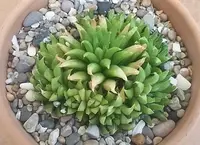
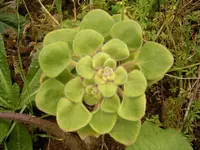
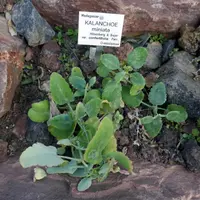
Aichryson parlatorei is a small succulent subshrub from the Canary Islands, valued for its compact form and attractive, fleshy leaves. It typically forms low, branching clumps with rosettes of spoon-shaped leaves that can look slightly glossy or fuzzy, depending on growing conditions.

In nature, it grows in rocky, well-drained habitats with mild, maritime climates. This background makes it sensitive to overwatering but fairly tolerant of bright light and short dry periods.

Overall, it is moderately easy to grow once its need for sharp drainage and careful watering is understood, and this helps guide how to care for Aichryson parlatorei indoors or in containers.

Main Plant Requirements

Care Difficulty

Moderate Care

Light Preference

Partial Sun

Water Requirements

Moderate Water

Temperature Preference

Warm Climate

Hardiness Zone

Unknown

Soil Texture

Sandy, Loamy, Rocky

Soil pH

Slightly acidic (6.5–7.0), Neutral (7.0)

Soil Drainage

Well-drained

Fertilization

Minimal (feed rarely)

Get Personalized Care Plan

Scan your plant to receive care tips personalized for your specific plant

Available on iOS and Android

How to Care for the Aichryson parlatorei

This succulent prefers bright but gentle light that avoids intense midday sun.

  • Provide 3–5 hours of soft direct morning sun with bright filtered light for the rest of the day to support compact growth.
  • Plant Aichryson parlatorei where it receives partial shade at midday; strong afternoon sun can scorch leaves and cause pale, dry patches.
  • In winter, move plants to a brighter position or higher exposure, since low light can lead to stretched, weak stems and reduced flowering.

This species stores moisture in its tissues and needs careful, sparing watering.

  • Water only when the top 2–4 cm of soil feel dry, then water thoroughly so excess drains away and the root zone is evenly moistened once per cycle.
  • Use a sharply draining, gritty mix; persistent wetness or a sour smell in the soil signals overwatering and potential root rot in Aichryson parlatorei.
  • In cooler months, reduce watering frequency noticeably, watching for slight leaf softening or wrinkling as a cue to water rather than following a fixed schedule.

This plant prefers mild, frost-free conditions with moderate warmth.

  • Aim for an active growth range of 60–75°F (16–24°C), which supports steady leaf and stem development without stress.
  • Protect from frost; growth usually stops below about 45°F (7°C), and exposure near or below 32°F (0°C) can damage foliage and stems.
  • In hot weather above 85°F (29°C), provide shade, good air movement, and slightly drier soil to limit heat stress and reduce the risk of rot.

This species handles typical indoor humidity but benefits from slightly drier air than most tropical houseplants.

  • Aim for 30–50% humidity, similar to an average heated room.
  • It tolerates brief drier spells, but persistent very dry air plus heat can cause leaf shriveling and slower growth.
  • If air is extremely dry, increase humidity mildly by placing the pot on a pebble tray rather than misting the foliage.

Aichryson parlatorei prefers a lean, fast-draining, slightly gritty substrate that prevents waterlogging around the roots.

  • Use a mix of roughly 50–60% cactus or succulent mix with 40–50% added mineral material such as perlite, pumice, or coarse sand for sharper drainage.
  • Target a slightly acidic to neutral pH around 6.0–7.0, avoiding strongly acidic or alkaline substrates that can limit nutrient uptake.
  • Ensure the mix is loose and airy; large mineral particles create air pockets that reduce the risk of root rot.
  • Avoid heavy garden soil, peat-only mixes, or any blend that stays wet for more than 2–3 days after watering.

This compact succulent is very suitable for container growing.

  • Choose a shallow, wide pot that matches its spreading root system and limits excess wet substrate beneath the plant.
  • Select unglazed terracotta if extra moisture evaporation is needed in cool or low-light positions.
  • Stabilize lightweight pots with decorative stones or a heavier cachepot to prevent tipping as the canopy becomes fuller.

This succulent shrub benefits from modest feeding during its active season but is sensitive to excess nutrients.

  • Use a diluted balanced liquid fertilizer (around 10-10-10 NPK at 1/4–1/2 strength) every 4–6 weeks in spring and summer.
  • Alternatively, apply a very light top-dressing of fine compost once in spring, keeping it off stems and crown.
  • Suspend feeding in winter dormancy, providing only bright light and appropriate watering.
  • Flush the pot with plain water every few months to reduce salt buildup in the soil.

Light structural pruning helps maintain a compact, branched shape and removes weak growth on Aichryson parlatorei.

  • Carry out pruning in late winter to early spring before strong new growth starts.
  • Use clean, sharp scissors or small pruning shears to remove dead, damaged, or crossing stems.
  • Shorten overly long, leggy shoots to an outward-facing node to encourage bushier branching.
  • Pinch faded flower stalks at the base to tidy the plant and redirect energy to foliage growth.

This slow to moderate grower prefers slightly snug containers and infrequent disturbance.

  • Check for roots circling the drainage holes, dense root mass, or slowed growth as signals it needs a larger pot.
  • Plan to repot every 2–3 years in spring, moving up only 2–3 cm in pot diameter with a free-draining succulent mix.
  • Gently loosen the outer roots, keep the root ball mostly intact, and avoid washing off all old substrate to limit stress.
  • Water lightly after repotting, then allow the mix to dry partially before normal watering resumes to prevent root rot.

New plants are most often raised from stem cuttings rather than seed.

  • Take 5–8 cm non-flowering stem cuttings in late spring or early summer from healthy Aichryson parlatorei shoots.
  • Let cut ends dry and callus for 1–2 days, then insert into a gritty, barely moist succulent mix.
  • Provide bright, indirect light, gentle warmth (68–75°F), and very light watering until roots form.
  • For seed propagation, sow fresh seed on the surface of a well-drained mix, keep slightly moist, and maintain steady warmth.

This species is not frost hardy and needs protection from freezing conditions in most climates.

  • Move container plants indoors before temperatures drop near 40°F, placing them in bright, indirect light.
  • Keep soil on the dry side in winter, watering only when the top layer is completely dry.
  • Avoid cold drafts and keep ambient temperatures around 50–60°F to reduce stress and leaf drop.

Care Tips

Rotate For Symmetry

Turn the pot 90° every 1–2 weeks so all sides receive similar light, which keeps the rosettes compact and prevents lopsided, stretched growth when growing Aichryson parlatorei indoors.

Refresh Leggy Stems

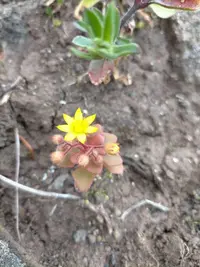
If older stems become bare at the base, cut and re-root the healthiest rosettes in fresh mix, then discard the oldest woody sections to renew the plant and keep the clump dense.

Use Terracotta Pots

Plant in unglazed terracotta rather than plastic so the porous walls wick excess moisture from the root zone, reducing the risk of rot in this succulent species.

Quarantine New Arrivals

Keep new plants in a separate area for 2–3 weeks and inspect weekly with a hand lens for sap-sucking pests such as aphids or mealybugs before placing them near established specimens.

Seasonal Light Adjustment

Move the plant closer to a bright window in winter and a little farther back or behind a sheer curtain in high-summer sun to balance strong light with protection from leaf scorch.

Common Pests and Diseases

Mealybugs

This pest feeds on the plant’s sap, often hiding in leaf axils and between crowded rosettes, causing stunted growth and sticky honeydew. Symptoms include cottony white clusters and distorted new growth.

Solution

Remove visible insects with a cotton swab dipped in 70% isopropyl alcohol and rinse the plant gently with lukewarm water to dislodge hidden clusters. Isolate the plant, repeat spot treatments weekly until no new insects appear, and improve light and air movement to support healthy, firm growth when caring for Aichryson parlatorei.

Soft scale

These insects attach to stems and leaf undersides, appearing as small, smooth, brown or tan bumps and excreting honeydew that can lead to sooty mold. Symptoms include dull, sticky foliage and gradual decline in vigor.

Solution

Gently scrape or wipe off scales with a fingernail or soft cloth and 70% isopropyl alcohol, then rinse the plant. Keep the plant in bright, airy conditions and use repeated alcohol swabs or a light horticultural oil spray, carefully applied to dry foliage, to target remaining juveniles.

Spider mites

These insects thrive in warm, dry indoor air and feed on the succulent leaves, causing fine stippling, dull patches, and sometimes delicate webbing between rosettes. Symptoms include slow decline and rough, speckled foliage.

Solution

Shower the plant with a gentle stream of lukewarm water, focusing on leaf undersides and tight rosette centers, then allow it to dry in bright, indirect light. Maintain slightly higher humidity around, but not on, the foliage and repeat thorough rinsing every few days; if populations persist, use a mild insecticidal soap, keeping soaps off the soil as much as possible.

Botrytis blight

This disease develops in cool, stagnant, humid air, causing soft, water-soaked spots on succulent leaves that may turn tan or gray and develop fuzzy gray mold. Symptoms include rapid collapse of affected leaves in dense rosettes.

Solution

Remove and discard all infected leaves and any fallen plant material, then increase air circulation and avoid water sitting on the foliage or in rosette centers. Allow the surface of the potting mix to dry slightly between waterings and, in severe or recurring cases, apply a labeled fungicide while improving spacing and ventilation around the plant.

Bacterial leaf spot

This disease typically starts on overly wet leaves, producing small, dark, water-soaked spots that can enlarge and cause sections of the fleshy leaf to rot. Symptoms include irregular lesions, sometimes with a yellow halo, and localized tissue collapse.

Solution

Prune and discard affected leaves with clean tools, then reduce overhead watering and keep foliage dry, especially in cool conditions. Ensure the plant receives ample bright light, good airflow, and allow the top of the mix to dry before watering again; disinfect tools and avoid handling leaves when they are wet to limit spread.

Interesting Facts

Endemic island succulent

This species is naturally restricted to the Canary Islands, where it grows on rocky cliffs and exposed slopes influenced by the Atlantic trade winds.

Woolly leaf surface

Its fleshy leaves are covered with fine hairs, which help reduce water loss and protect the tissues from strong sun and wind in its native habitat.

Shrubby rosette growth

Unlike many rosette succulents that stay low, it forms a small branching subshrub with multiple rosette-tipped stems, giving mature plants a compact, bushy structure.

FAQs about Aichryson parlatorei

This species usually flowers in one main flush, often in spring or early summer. With stable conditions and good energy reserves, light repeat blooming is possible, but heavy flowering more than once a year is uncommon.

Grow Healthy Plants with Botan Care

Keep your plants happy and healthy with plant identification, disease detection, and easy care guidance.

Botan plant care app — identify plants on mobile

Explore More Plants