Rot-prevention potting
When repotting, add a 2–3 cm layer of coarse rock (pumice, lava rock, or gravel) at the very bottom of the pot to keep the root collar above any brief excess moisture and reduce the risk of basal rot.

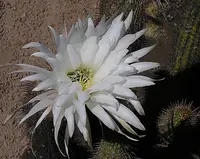
Soehrensia strigosa is a columnar cactus native to high-altitude regions of South America, especially in Bolivia and northern Argentina. It forms tall, ribbed stems with dense, bristly spines and showy funnel-shaped flowers near the stem tips.
The plant grows slowly and stays architectural, which makes it suitable for containers and rock gardens in warm, dry climates. Its desert origin means it prefers strong light, low humidity, and very well-drained, gritty soil.
Once established, it is drought-tolerant and generally resilient, but sensitive to prolonged cold and excess moisture around the roots. These traits make it reasonably straightforward to grow for anyone who learns how to care for Soehrensia strigosa.

Care Difficulty
Easy Care

Light Preference
Full Sun

Water Requirements
Low Water

Temperature Preference
Warm Climate

Hardiness Zone
9–11

Soil Texture
Sandy, Loamy, Rocky

Soil pH
Slightly acidic (6.5–7.0), Neutral (7.0)

Soil Drainage
Well-drained

Fertilization
Minimal (feed rarely)
Scan your plant to receive care tips personalized for your specific plant
Available on iOS and Android
This cactus thrives in bright, open conditions that mimic high-altitude sun exposure.
Watering should mimic an arid climate with brief soakings and long dry intervals.
Temperature conditions should resemble a dry, high-sun environment with cool, not freezing, winters.
This cactus prefers very dry air and rarely suffers from low household humidity.
Soehrensia strigosa needs a very fast-draining, mineral-heavy soil to prevent root and stem rot.
This species is well suited to container growing when the pot is chosen for drainage and stability.
This cactus grows well in lean soil but benefits from light feeding during the warm growing season.
Pruning needs for this cactus are minimal and mainly focused on health and safety.
Container-grown plants benefit from infrequent, careful repotting to maintain root health and stability.
This species is commonly propagated from seeds and, where offsets form, from stem cuttings.
This cactus benefits from a cool, dry winter rest and is only moderately tolerant of frost.

Plant Health Check
Not sure what's wrong with your plant? Check your plant's health inside the app.
This species is native to high Andean regions of Bolivia and northern Argentina, where it experiences intense sun, large day–night temperature swings, and very porous, mineral-rich soils.
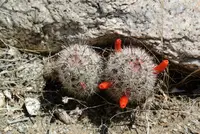
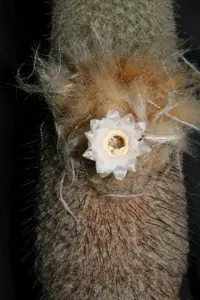
The plant forms cylindrical stems densely covered with stiff, bristle-like spines that help shade the surface, reduce water loss, and offer protection from herbivores in its open, exposed habitat.
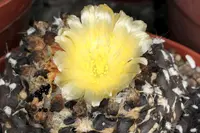
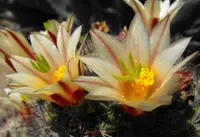
It produces large, funnel-shaped white to pale flowers that open mainly at night or early morning, a typical adaptation for pollination by nocturnal insects in arid, high-elevation environments.

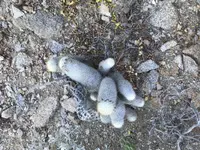
In cultivation, this cactus can slowly form an imposing clump of tall, columnar stems over many years, making it a long-lived structural specimen for arid gardens and rockeries when given conditions that mimic its native Andean habitat.
This cactus grows slowly, usually adding only a few centimeters in height each year. Growth is faster in warm, bright, dry conditions and during the active growing season, then slows or stops completely in cooler winter months.
Keep your plants happy and healthy with plant identification, disease detection, and easy care guidance.