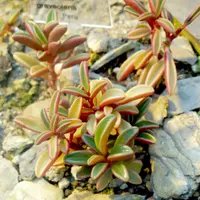
Mineral-heavy substrate
For long-term health, top-dress the pot with a 1–2 cm layer of coarse mineral grit (pumice, lava rock, or coarse sand) to keep the neck of the plant dry and reduce the risk of fungal rot at the base.

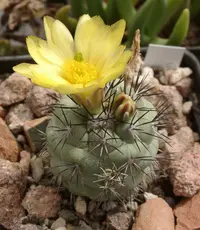
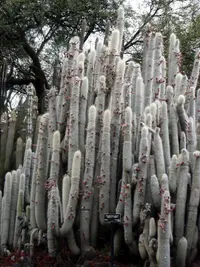
Cochemiea macdougallii is a small, clustering cactus known for its cylindrical stems covered in dense white spines and bright tubular red flowers. It forms compact mounds that stay relatively low, which makes it well suited to containers and small spaces.
This species is native to arid regions of Oaxaca, Mexico, where it grows on rocky slopes with intense sun and very sharp drainage. Its desert origin means it prefers strong light, low humidity, and fast-drying, gritty soil.
Once established, it is slow-growing but quite resilient if kept dry and bright, so learning how to care for Cochemiea macdougallii mainly involves avoiding excess water and prolonged cold.

Care Difficulty
Moderate Care

Light Preference
Full Sun

Water Requirements
Low Water

Temperature Preference
Tropical / Frost Sensitive

Hardiness Zone
10–11

Soil Texture
Sandy, Rocky, Loamy

Soil pH
Slightly acidic (6.5–7.0), Neutral (7.0)

Soil Drainage
Well-drained

Fertilization
Minimal (feed rarely)
Scan your plant to receive care tips personalized for your specific plant
Available on iOS and Android
This cactus prefers strong, direct light but benefits from some protection during the hottest hours.
Watering should mimic brief desert rains followed by thorough drying.
This species prefers warm, dry conditions with cool but not freezing winters.
This cactus prefers dry air and does best in low indoor humidity.
This species needs a very fast-draining, mineral-rich cactus substrate to prevent root rot.
This species is very suitable for container growing due to its compact, clustering habit.
This cactus needs only light feeding to stay healthy in cultivation.
Pruning is minimal and mainly focused on hygiene and safety for this small clustering cactus.
This species prefers a stable pot but benefits from occasional repotting into fresh, free-draining mix.
Propagation is commonly done from offsets and sometimes from seed in controlled conditions.
Cold management is important, as this cactus is not reliably hardy in freezing climates.

Plant Health Check
Not sure what's wrong with your plant? Check your plant's health inside the app.
This species is endemic to a small region of Oaxaca, Mexico, where it grows almost exclusively on steep limestone outcrops and cliffs, anchoring its roots into narrow rock crevices.
Mature plants often form dense clusters of slender, cylindrical stems that curve slightly outward, giving the plant a distinctive, fountain-like shape compared with more upright relatives.
Its stiff, hooked central spines are an effective defense against herbivores and also help shade the stem surface, slightly reducing water loss in its arid habitat.
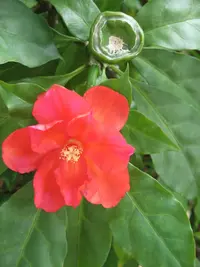
This species usually flowers in late winter to spring, producing tubular, often red to pink blooms near stem tips. Flowers are attractive to hummingbirds and bees and appear more reliably on well-established, mature stems.
Keep your plants happy and healthy with plant identification, disease detection, and easy care guidance.