Mineral mulch topdressing
Cover the soil surface with a 1–2 cm layer of coarse grit or small limestone chips to keep the neck of the plant dry, reduce rot risk, and mimic the rocky habitat that supports tight, compact growth.

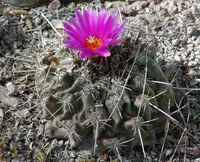
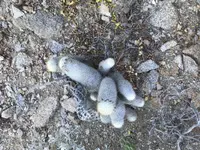
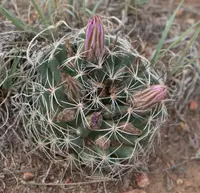
Thelocactus rinconensis is a small, slow-growing desert cactus valued for its compact, geometric form. It forms a low, rounded body with pronounced ribs and chunky, angular tubercles. Spines are strong, often hooked or curved, and create a striking contrast against the usually gray-green epidermis.
This species is native to arid, rocky habitats in northeastern Mexico, where it endures intense sun, high temperatures, and very lean, fast-draining soils. Its slow growth and sensitivity to excess moisture make it slightly more demanding than common beginner cacti, but it is reliable once conditions are stable.
To care for Thelocactus rinconensis, provide strong light, very well-drained mineral soil, and cautious watering that allows the plant to stay dry between waterings.

Care Difficulty
Moderate Care

Light Preference
Full Sun

Water Requirements
Low Water

Temperature Preference
Warm Climate

Hardiness Zone
9–11

Soil Texture
Sandy, Rocky, Loamy

Soil pH
Slightly acidic (6.5–7.0), Neutral (7.0)

Soil Drainage
Well-drained

Fertilization
Minimal (feed rarely)
Scan your plant to receive care tips personalized for your specific plant
Available on iOS and Android
This cactus thrives in strong light that mimics its exposed desert habitat.
Watering should be sparse and carefully timed to avoid root rot in this desert species.
Stable warmth with a cool, dry winter rest supports compact, healthy growth.
This cactus thrives in dry air and rarely needs humidity adjustment indoors.
Provide a very fast-draining, mineral-dominated soil to prevent root and stem rot.
This species is well suited to container growing when the pot limits excess moisture.
This desert cactus needs only light feeding to maintain healthy growth in containers.
This species needs almost no structural pruning, only occasional hygiene maintenance.
This cactus grows slowly and dislikes frequent disturbance, so repotting should be infrequent and deliberate.
Propagation of this species is usually done from seed and is relatively slow but reliable with stable conditions.
This cactus benefits from a cool, dry rest period but is not tolerant of prolonged hard frost, especially in containers.

Plant Health Check
Not sure what's wrong with your plant? Check your plant's health inside the app.
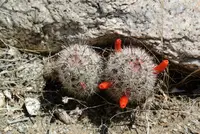
In the wild, this species grows almost exclusively on exposed limestone slopes and rocky outcrops in northeastern Mexico, often rooted in narrow crevices with very shallow, mineral-rich soils.
The stem is divided into very strong, angular ribs with deep furrows between them, which allow the plant to expand rapidly after rare rain events and then contract again during long dry periods.
Populations show striking variation in spine thickness, length, and color, ranging from short grayish spines to long, almost horn-like central spines that help shade the body and reduce water loss.

Certain populations of this cactus form almost perfectly flat, disk-like stems pressed against the rock surface, an extreme growth form that reduces wind exposure and helps protect the plant from both herbivores and intense sun in its exposed mountain habitats.
This species develops best outdoors in bright, arid conditions with excellent drainage and wide temperature swings. Indoors, growth is slower and flowering less reliable, so treat indoor culture as a display option rather than optimum cultivation.
Keep your plants happy and healthy with plant identification, disease detection, and easy care guidance.