


Stabilize in grit
Top-dress the pot with a 1–2 cm layer of coarse mineral grit (pumice, granite, or small gravel) to keep the stem base dry, stabilize the plant, and reduce the risk of rot around the neck.

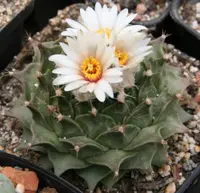
Artichoke cactus, Obregonia denegrii, is a rare, slow-growing cactus with a flattened, pinecone-like body and distinct, overlapping triangular tubercles. It stays compact, usually forming a single stem rather than branching. Native to dry limestone slopes in northeastern Mexico, it is adapted to intense sun, high drainage, and infrequent rainfall. These traits make it sensitive to overwatering and poor ventilation in cultivation. Its slow growth and need for very free-draining, mineral-rich soil mean it is better suited to patient growers than to those who prefer fast results. With the right substrate and bright light, it is manageable to care for Artichoke cactus in a home or greenhouse collection.

Care Difficulty
Hard Care

Light Preference
Partial Sun

Water Requirements
Low Water

Temperature Preference
Tropical / Frost Sensitive

Hardiness Zone
10–11

Soil Texture
Sandy, Rocky, Loamy

Soil pH
Slightly acidic (6.5–7.0), Neutral (7.0)

Soil Drainage
Well-drained

Fertilization
Minimal (feed rarely)
Scan your plant to receive care tips personalized for your specific plant
Available on iOS and Android
Obregonia denegrii prefers bright, indirect light that mimics exposed but slightly sheltered desert conditions.
This cactus requires infrequent but thorough watering, with a strong emphasis on fast drainage and complete drying between waterings.
This species favors warm, arid conditions with a distinct cool, dry rest period in winter.
This cactus prefers dry air and does not need extra humidity.
Use a very fast-draining, mineral-heavy mix that dries quickly around the roots.
This species is very suitable for container growing due to its slow, compact root system.
This slow-growing Artichoke cactus needs only light, targeted feeding to stay healthy in cultivation.
Obregonia denegrii requires minimal pruning, limited mainly to hygiene and safety.
This cactus dislikes disturbance, so repotting should be infrequent and done with care.
Propagation of this species is usually done from seed and is considered slow and specialized.
This cactus needs cool, dry winter rest and strict frost avoidance in most climates.

Plant Health Check
Not sure what's wrong with your plant? Check your plant's health inside the app.
This species is naturally restricted to a very small area in Tamaulipas, northeastern Mexico, where it grows on limestone slopes in semi-desert scrub.
Its stem forms a compact, spiraled rosette of triangular tubercles that resemble an artichoke head, an unusual growth form among cacti and the origin of its common name, artichoke cactus.
It develops a thick underground taproot that stores water and allows the small above-ground body to survive intense sun and prolonged drought in its native habitat.

This cactus is considered critically endangered in the wild due to its very limited distribution, habitat disturbance, and decades of over-collection by plant enthusiasts, making legal, nursery-propagated plants an important focus of responsible Obregonia denegrii plant care.
Lack of flowers usually comes from insufficient light, a plant that is still immature, or winter conditions that are too warm. This species needs strong sun and a cool, dry winter rest to set flower buds.
Keep your plants happy and healthy with plant identification, disease detection, and easy care guidance.

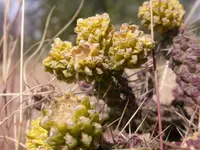
Whipple cholla
Cylindropuntia whipplei
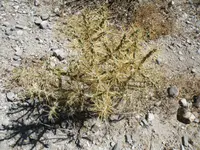
candle cholla
Cylindropuntia kleiniae
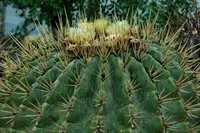
Acitrón barrel cactus
Ferocactus histrix
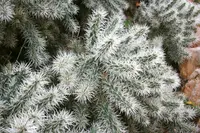
thistle cholla
Cylindropuntia tunicata
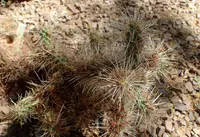
Blue Diamond cholla
Cylindropuntia multigeniculata
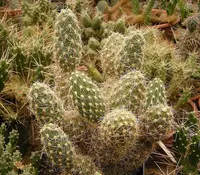
Cumulopuntia sphaerica
Cumulopuntia sphaerica
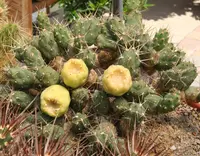
Cumulopuntia boliviana
Cumulopuntia boliviana
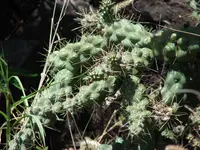
Chain-link Cholla
Cylindropuntia cholla