candle cholla Care (Cylindropuntia kleiniae)

candle cholla

About candle cholla

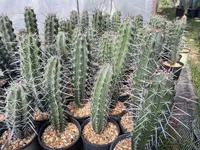
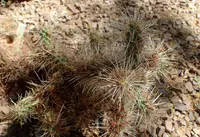
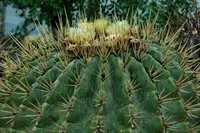
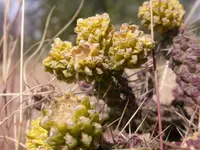
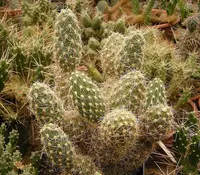
Cylindropuntia kleiniae, commonly called candle cholla, is a shrubby cactus from arid regions of the southwestern United States and northern Mexico. It forms many upright, cylindrical stems that resemble wax candles, often branching into a dense thicket.

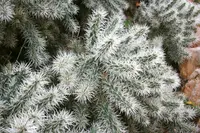
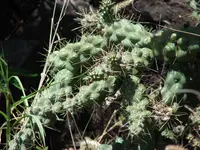
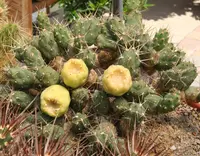
The stems carry prominent tubercles and loose spines that can detach easily, so handling requires care. Small, colorful flowers appear along the stems, followed by fleshy fruits that may persist.

This species is adapted to full sun, high heat, and very lean, fast-draining soil. Its drought tolerance makes it relatively low-maintenance, but successful care for candle cholla depends on avoiding excess moisture and frost in cultivation.

Main Plant Requirements

Care Difficulty

Easy Care

Light Preference

Full Sun

Water Requirements

Low Water

Temperature Preference

Warm Climate

Hardiness Zone

8–11

Soil Texture

Sandy, Loamy, Rocky

Soil pH

Slightly acidic (6.5–7.0), Slightly alkaline (7.0–7.5)

Soil Drainage

Well-drained

Fertilization

Minimal (feed rarely)

Get Personalized Care Plan

Scan your plant to receive care tips personalized for your specific plant

Available on iOS and Android

How to Care for the candle cholla

This desert cactus needs strong light to maintain compact, healthy growth.

  • Provide 6–8 hours of direct sun daily; full sun is ideal in the ground, especially morning through early afternoon.
  • It tolerates light afternoon shade in very hot regions, which helps prevent stem scorch and yellowing during extreme heat.
  • In cloudy or short winter days, choose the brightest, south-facing exposure; weak, stretched growth indicates the candle cholla needs more sun.

This species is highly drought-tolerant and prefers infrequent, deep watering.

  • Allow soil to dry completely between waterings; in most climates, the top 5–10 cm should feel dry and loose before adding water.
  • During active growth in spring–summer, water thoroughly, then let excess drain away; reduce watering sharply in cool or dormant periods.
  • Watch pads and stems for cues: soft, shriveling segments suggest underwatering, while blackened bases or mushy roots indicate overwatering and poor drainage.

This cactus thrives in hot, arid climates but still has clear temperature limits.

  • Ideal growing temperatures are 70–90°F (21–32°C), with warm days and cooler, dry nights promoting strong stem and spine development.
  • Mature plants tolerate brief drops to about 15–20°F (-9 to -6°C) if soil is very dry, but repeated hard freezes increase risk of tissue damage.
  • In extreme heat above 100°F (38°C), airflow and dry soil help prevent stress; avoid combining intense heat with high humidity or wet, cool conditions.

This desert cactus tolerates very dry air and rarely needs humidity adjustments indoors.

  • Target 20–40% relative humidity, similar to arid outdoor conditions.
  • Brown, shriveling stem segments may reflect prolonged extreme dryness combined with underwatering rather than low humidity alone.
  • If indoor air drops below 15% for long periods, place the pot away from heating vents to reduce additional moisture loss.

This species needs a very fast-draining, mineral-based mix that dries quickly between waterings.

  • Use a gritty, sandy mix such as 50–70% inorganic materials (pumice, coarse sand, small gravel) with 30–50% cactus potting mix.
  • Ensure water drains through in seconds, not minutes, and the surface dries within 1–2 days after soaking.
  • Aim for slightly acidic to neutral pH around 6.0–7.0, avoiding highly alkaline mixes containing large amounts of limestone chips.
  • For Cylindropuntia kleiniae, avoid peat-heavy, compact, or water-retentive mixes that keep roots wet or cause sour, anaerobic conditions.

This species grows reliably in containers when the pot is stable and encourages rapid drainage.

  • Choose a heavy terracotta or concrete pot to counterbalance tall, branching stems and reduce tipping in wind or on balconies.
  • Select a wide, shallow container that lets the spreading root system anchor while keeping the soil column thin enough to dry quickly.
  • Raise the pot on feet or mesh supports so drainage holes stay clear and runoff leaves the container area immediately, preventing standing water at the base.

This desert cactus needs only light feeding under cultivation, especially in poor, sandy soils that mimic its native habitat when caring for candle cholla.

  • Use a low-dose, balanced liquid fertilizer (around 10-10-10) at 1/4–1/2 strength in well-watered, actively growing plants.
  • Feed once in late spring and again in mid-summer; avoid frequent applications that encourage weak, lush growth.
  • Do not fertilize in fall and winter, when growth slows and the plant benefits from a dry, nutrient-poor rest period.
  • Skip organic compost in containers, as it holds excess moisture; choose a gritty, cactus-specific slow-release formula if preferred.

Pruning Cylindropuntia kleiniae is mainly done for safety, space management, and to remove damaged tissue rather than to shape the plant heavily.

  • Schedule pruning in late winter to early spring, before strong new growth begins, to minimize stress and sap loss.
  • Remove dead, frost-damaged, diseased, or crossing stems at their joints, cutting cleanly to a firm, healthy segment.
  • Use long-handled loppers or a pruning saw plus thick gloves and eye protection to manage the spines safely.
  • Limit cuts to problem areas so flowering and natural structure remain largely intact.

Container-grown plants and landscape clumps are moved infrequently, as this cactus prefers stable, undisturbed conditions.

  • Check for roots circling the pot, pushing through drainage holes, or very slow growth as signs that a container plant needs more space.
  • Plan repotting or transplanting in late spring to early summer, once nights are warm and soil dries reliably.
  • Expect to repot containers about every 3–4 years into a slightly larger pot with very sharp-draining cactus mix.
  • Reduce root stress by keeping the root ball as intact as possible, handling with padded tools, and withholding water for 3–5 days after moving.

New plants are most often produced from stem segments, as this method is reliable and maintains the characteristics of the parent plant.

  • Take healthy, pencil-thick stem cuttings in late spring or summer and cut at a natural joint using a clean, sharp knife or pruners.
  • Allow cut surfaces to callus in a dry, shaded place for 5–10 days to reduce rot risk before planting.
  • Set the callused cuttings upright in a gritty, barely moist cactus mix and keep temperatures around 70–80°F with bright light.
  • Seed propagation is possible but slower; sow in a sterile, sandy medium, keep slightly moist, and provide warmth and bright, indirect light.

This cactus is moderately cold hardy but benefits from sensible winter management, especially in wet or very cold climates.

  • In-ground plants tolerate brief light frosts if soils are very well drained and winter moisture is low.
  • Apply a thin layer of coarse gravel around the base to improve drainage rather than using moisture-holding organic mulch.
  • In regions below about 15–20°F, consider temporary covers that keep stems dry while allowing airflow.
  • Move container plants under cover or indoors to a bright, cool, very dry spot before hard freezes arrive.

Care Tips

Root-zone protection

Top-dress the soil with a 1–2 in layer of coarse gravel or small rocks to keep the stem base dry, reduce splashback during rain, and discourage rot at the lowest joints.

Stabilize new cuttings

When rooting cut segments, bury only 2–3 cm of the pad in a very sandy mix and brace it with rocks or short bamboo stakes so it does not wobble, which helps fine roots establish quickly.

Safe handling routine

Use long-handled tongs or folded newspaper to move or adjust stems, and keep a dedicated set of thick nitrile-coated gloves for this plant to avoid embedded spines and glochids while caring for candle cholla.

Controlled clump shaping

Each late winter, selectively remove one or two inward-facing or crossing stems at the base with clean, sharp pruners to keep the clump open, better lit, and easier to inspect for pests and damage.

Cold-wet protection

In regions with cool, wet winters, tilt container plants slightly and raise them on pot feet or bricks so excess water drains away fast and stems stay above any standing moisture around the pot base.

Common Pests and Diseases

Cochineal scale

This pest forms white, cottony clusters along pads and joints, often with red staining when crushed. Symptoms include weakened stems and patches of honeydew and sooty mold on heavily infested plants.

Solution

Prune and discard the most encrusted segments, then spray the remaining joints with a strong jet of water to dislodge insects. For persistent infestations, dab individual clusters with cotton swabs dipped in 70% isopropyl alcohol or apply a horticultural oil labeled for cacti, repeating every 7–10 days until new growth appears clean.

Opuntia mealybug

These insects hide in crevices and the base of spines as white, fuzzy masses and cause yellowing, stunted segments, and occasional pad collapse. This pest is especially common where plants are crowded and air circulation is poor.

Solution

Isolate the affected plant, remove any heavily damaged joints, and wash the stems thoroughly with a firm spray of water. Follow with spot treatment using alcohol-soaked cotton swabs and, if needed, 2–3 applications of insecticidal soap or horticultural oil, ensuring excess water drains quickly from the soil.

Cactus longhorn beetle

This pest chews on young joints at night, while its larvae bore inside stems and can cause sudden segment collapse. Symptoms include ragged bite marks near the base and hollow, weakening stems.

Solution

Hand-pick adult beetles at dusk or after dark using a flashlight and destroy them, and remove and dispose of any hollow or infested segments. In areas with repeated problems, reduce nearby debris where beetles hide and use physical barriers such as hardware cloth collars at the base of plants to limit egg-laying near stems.

Fusarium stem rot

This disease causes sunken, reddish to dark brown lesions on joints that gradually expand, leading to shriveled or collapsing segments. Symptoms include internal brown streaking in vascular tissue when the stem is cut open.

Solution

Cut out infected tissue well into healthy green tissue using a sterile knife and discard all diseased segments in the trash, not in compost. Improve drainage, avoid overhead watering, and keep stems dry, then allow cut surfaces to callus fully before replanting in a sharply draining, mineral-rich mix as part of Cylindropuntia kleiniae care.

Helminthosporium pad spot

This disease produces small, circular tan to gray spots on segments that may coalesce into larger corky patches, especially after prolonged rain or overhead irrigation. Symptoms include rough, scabby areas that remain on older joints even after the infection is no longer active.

Solution

Remove and discard heavily spotted pads to reduce spore levels and ensure plants are spaced so stems dry quickly after rain or watering. Shift to drip or ground-level irrigation, avoid wetting the stems, and in very humid regions consider providing a sloped, gravelly site so water runs off and does not remain on the joints.

Interesting Facts

Slender jointed growth

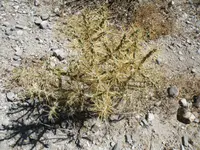
This species forms narrow, cylindrical stem segments that are much thinner and more elongated than many other chollas, giving mature plants a more shrub-like, wispy outline rather than a bulky, tree-like form.

Night-opening flowers

Its tubular, reddish to purplish flowers typically open in late afternoon or evening in their native range, aligning with the activity patterns of certain nocturnal or crepuscular pollinators such as moths.

Hybridization tendency

In regions where it overlaps with related chollas, this species can hybridize, which complicates field identification and has led to a history of shifting taxonomic opinions about its limits and varieties.

Botan icon

Did you know?

This cactus has been introduced beyond its native range and, in some parts of Europe, is monitored as a potentially invasive species because its easily detached stem segments root readily and can form spreading, hard-to-eradicate thickets.

FAQs about candle cholla

Growth is moderate rather than rapid. In suitable outdoor conditions it may add around 5–15 cm of new stem per year. Young plants often establish roots first, then increase stem length and branching as they mature.

Grow Healthy Plants with Botan Care

Keep your plants happy and healthy with plant identification, disease detection, and easy care guidance.

Botan plant care app — identify plants on mobile

Explore More Plants