

Rocky topdressing
Add a 1–2 cm layer of coarse gravel or small pumice around the stem to keep the base dry, stabilize the plant, and reduce the risk of rot from splashing water.

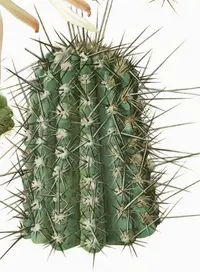
Eulychnia iquiquensis is a tall, columnar cactus native to the extremely dry coastal deserts of northern Chile and southern Peru. It forms stiff, upright stems with well-defined ribs and sparse but strong spines. Mature plants can branch to create a candelabra-like shape and may produce large, tubular flowers followed by fleshy fruits in habitat. This species is adapted to intense sun, very low rainfall, and rocky, fast-draining soils. These traits make it drought tolerant but sensitive to excess moisture and poor drainage. In cultivation, understanding how to care for Eulychnia iquiquensis starts with providing as much light as possible and keeping the roots dry between waterings.

Care Difficulty
Moderate Care

Light Preference
Full Sun

Water Requirements
Low Water

Temperature Preference
Tropical / Frost Sensitive

Hardiness Zone
Unknown

Soil Texture
Sandy, Rocky

Soil pH
Neutral (7.0), Slightly alkaline (7.0–7.5)

Soil Drainage
Well-drained

Fertilization
Minimal (feed rarely)
Scan your plant to receive care tips personalized for your specific plant
Available on iOS and Android
This tall desert cactus needs very strong light to maintain dense, healthy growth.
This species is highly drought-tolerant and must dry thoroughly between waterings.
This cactus prefers hot, arid conditions and is not reliable in cold, wet climates.
This coastal cactus prefers very dry air and adapts well to typical indoor humidity.
This species needs a very fast-draining, mineral-rich soil that mimics arid coastal desert slopes.
This tall, columnar cactus is suitable for container growing if the pot is chosen to support its height and weight.
This cactus is adapted to very lean soils and usually needs minimal feeding in cultivation.
Eulychnia iquiquensis needs little structured pruning, but occasional cleanup supports plant health and safe handling.
This slow-growing columnar cactus prefers to remain undisturbed and only needs infrequent repotting.
Propagation of this species is possible but slow, and often reserved for collectors rather than casual growers.
This desert cactus is sensitive to prolonged frost and benefits from controlled dry, cool winter conditions.

Plant Health Check
Not sure what's wrong with your plant? Check your plant's health inside the app.
This cactus relies heavily on coastal fog, using its dense spines and stem surface to condense water droplets that then drip to the root zone, an adaptation to the hyper-arid Atacama Desert where rainfall is extremely scarce.
Natural populations grow almost exclusively on rocky sea cliffs and coastal slopes in northern Chile, often only a short distance from the ocean, where they endure high salinity, strong winds, and intense sunlight.
In habitat, this species can form very tall, branched columns that create large candelabra-like clumps, providing structural habitat and shade for birds and small animals in an otherwise sparse desert landscape.

Eulychnia iquiquensis is considered one of the northernmost large columnar cacti native to Chile, marking a transition zone in the Atacama Desert where fog-dependent coastal vegetation gives way to almost plant-free interior desert.
This columnar cactus is very slow-growing, often adding only a few cm in height per year. Growth is fastest in warm, bright, dry conditions and noticeably slows in cool weather or if kept too moist.
Keep your plants happy and healthy with plant identification, disease detection, and easy care guidance.

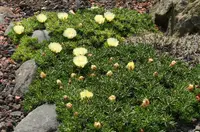
maihuén
Maihuenia poeppigii
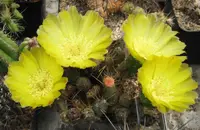
Maihueniopsis ovata
Maihueniopsis ovata
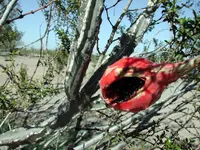
nightblooming cereus
Peniocereus greggii
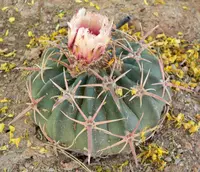
horse crippler
Echinocactus texensis
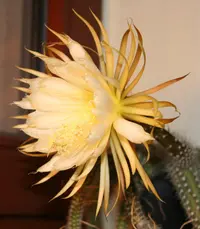
Selenicereus validus
Selenicereus validus
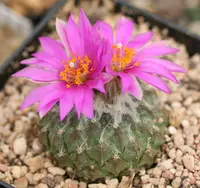
Pelecyphora strobiliformis
Pelecyphora strobiliformis

Prickly pear
Opuntia ficus-indica
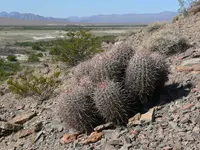
cottontop cactus
Echinocactus polycephalus