Cleistocactus parviflorus Care

Cleistocactus parviflorus

About Cleistocactus parviflorus

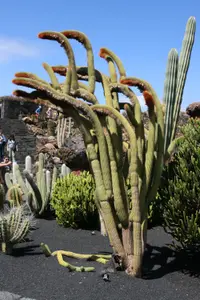
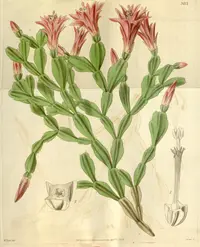
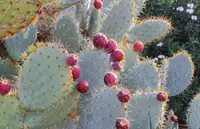
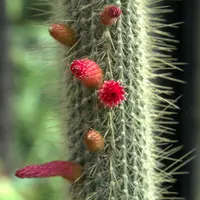
Cleistocactus parviflorus is a columnar cactus known for its slender, upright stems lined with many short, bristly spines. Mature plants may form clumps, creating a small thicket over time.

It is native to high, dry regions of South America, where it grows in rocky, well-drained sites with strong light. The plant produces narrow tubular flowers that often attract hummingbirds in suitable climates.

This species is generally considered easy to grow if given bright light, porous soil, and infrequent watering. Understanding how to care for Cleistocactus parviflorus mainly involves avoiding excess moisture and providing as much sun as the plant can tolerate indoors or outdoors.

Main Plant Requirements

Care Difficulty

Easy Care

Light Preference

Full Sun

Water Requirements

Low Water

Temperature Preference

Warm Climate

Hardiness Zone

9–11

Soil Texture

Sandy, Loamy, Rocky

Soil pH

Slightly acidic (6.5–7.0), Neutral (7.0)

Soil Drainage

Well-drained

Fertilization

Minimal (feed rarely)

Get Personalized Care Plan

Scan your plant to receive care tips personalized for your specific plant

Available on iOS and Android

How to Care for the Cleistocactus parviflorus

This cactus thrives in bright, direct light that mimics high-altitude sun.

  • Provide 6–8 hours of direct sun daily, ideally strong morning to early afternoon sun with some protection from the harshest late-afternoon rays.
  • In hot climates, use light shade cloth or filtered light during midsummer to prevent epidermis scorching or yellowing of Cleistocactus parviflorus stems.
  • If stems stretch, lean, or lose their dense spines, increase light exposure gradually over 1–2 weeks to avoid sudden sunburn.

This drought-tolerant cactus needs infrequent, thorough watering in fast-draining soil.

  • Water only when the top 3–5 cm of soil are completely dry, then soak deeply so excess drains away and never allow the pot or bed to sit in standing water.
  • In spring–summer growth, expect drying every 7–21 days depending on heat and wind; in winter, water lightly once soil has stayed dry for 1–2 weeks.
  • Watch for shriveling ribs as a sign to water soon, and for soft, blackened stem bases as an indicator of overwatering and possible root rot in Cleistocactus parviflorus.

This species prefers warm, dry conditions with cool but not freezing winters.

  • Aim for active growth in 70–85°F (21–29°C); short periods up to 95°F (35°C) are tolerated if airflow is good and soil is not constantly wet.
  • Protect from frost; it may survive brief dips to 25–28°F (-4 to -2°C) if perfectly dry, but tissue damage is likely below freezing.
  • For long-term health, overwinter in 40–50°F (4–10°C) and very dry conditions, then increase water and warmth gradually in spring to restart growth.

This species prefers dry air and does not have specific humidity requirements indoors.

This cactus needs a very fast-draining, mineral-based substrate to prevent root rot.

  • Use a gritty mix of about 50–60% inorganic material such as pumice, coarse sand, or small gravel with 40–50% cactus potting mix.
  • Aim for slightly acidic to neutral pH around 6.0–7.0, which suits Cleistocactus parviflorus root function and nutrient uptake.
  • Increase aeration by using large particle sizes (3–6 mm) and avoiding fine peat that compacts and holds excess moisture.
  • Avoid dense, clay-heavy, or water-retentive mixes that stay wet longer than 2–3 days after watering.

This species is well suited to container growing when the pot supports its upright, columnar form.

  • Choose a pot heavy enough, such as thick terracotta or ceramic, to prevent tipping as stems become tall and top-heavy.
  • Select a container deep enough for a narrow but elongated root zone, leaving some vertical space for top-dressing with gravel.
  • Use a pot shape that allows water to drain quickly, avoiding tall, narrow vessels that trap moisture at the bottom.

Feeding supports steady growth of Cleistocactus parviflorus in containers but should stay light to avoid root burn.

  • Use a balanced cactus fertilizer or general 10-10-10 at 1/4–1/2 strength during active growth in spring–summer.
  • Apply liquid feed every 4–6 weeks to already moist soil; avoid fertilizing dry roots.
  • Skip compost-heavy mixes that retain moisture; choose low-organic, fast-draining media instead.
  • Stop feeding in fall–winter when growth slows, except for a single very dilute dose if plants look weak.

Pruning needs for Cleistocactus parviflorus are minimal and focus on health and safety rather than shaping.

  • Best time for any pruning is late spring to midsummer, once the risk of cold snaps has passed.
  • Remove only dead, shriveled, diseased, or storm-damaged stems using clean, sharp pruners.
  • Cut close to the base without damaging neighboring healthy stems to maintain the clump form.
  • Use thick gloves and tongs when handling spiny stems, and disinfect tools between plants to limit disease spread.

Container-grown Cleistocactus parviflorus benefits from occasional repotting to maintain drainage and root health.

  • Check for roots circling the pot, pushing through drainage holes, or noticeably slowed growth as signs it needs more space.
  • Plan to repot every 3–4 years in late spring, when active growth helps recovery.
  • Move into a pot only 2–5 cm wider, filled with a gritty cactus mix to prevent waterlogging.
  • Minimize root stress by keeping the root ball mostly intact, watering lightly after repotting, then letting the plant settle in bright, indirect light for 1–2 weeks.

New Cleistocactus parviflorus plants are usually raised from stem cuttings or seeds under warm, dry conditions.

  • Take stem cuttings in late spring–summer, letting cut surfaces dry and callus for 5–10 days.
  • Insert callused cuttings into sterile, barely moist cactus mix and keep at 70–80°F with bright, indirect light.
  • Sow seeds on the surface of well-draining mix, barely covering, and maintain gentle warmth and light.
  • Water sparingly from below or with a fine mist, allowing the surface to dry between waterings to avoid rot.

Cold-sensitive Cleistocactus parviflorus needs dry, cool, but frost-free conditions during winter dormancy.

  • Keep temperatures around 45–55°F; avoid exposure below about 32°F, which can damage stems.
  • For outdoor plants in mild climates, use a gravel mulch to keep the root zone dry in winter rains.
  • Move containers indoors or into an unheated but bright greenhouse before hard frosts arrive.
  • Water very lightly or not at all during winter, resuming normal watering only when growth restarts in spring.

Care Tips

Stabilize Tall Stems

Anchor older stems with discreet gravel mounds or small rock wedges at the base, especially in narrow pots, to prevent the columnar growth from leaning or toppling as it elongates.

Rotate For Even Spines

Turn the pot 90° every 2–3 weeks during active growth so light reaches all sides and the spine development stays even, which helps maintain a straight, symmetrical column.

Use Topdressing Wisely

Apply a 0.5–1 in layer of coarse gravel or pumice on the soil surface to reduce algae and fungus gnat issues and to keep the stem base dry while still allowing fast drainage.

Cool-Season Light Boost

In late fall and winter, supplement natural light with a LED grow light placed 12–18 in above the plant for 8–10 hours per day to prevent weak, stretched segments during low-sun months.

Inspect Spines For Pests

Use a soft brush or compressed-air rubber blower to gently clean dust from the spines every few months, checking closely for mealybugs hiding along the ribs as part of caring for Cleistocactus parviflorus.

Common Pests and Diseases

Mealybugs

This pest hides in woolly white clusters along ribs, in areoles, and at the base of stems, sucking sap and weakening growth. Symptoms include stunted segments, yellowing tissue, and sticky honeydew that can lead to sooty mold.

Solution

Isolate the plant, then dab visible insects with cotton swabs dipped in 70% isopropyl alcohol and repeat weekly until no new colonies appear. Improve light and airflow, avoid overfertilizing, and use a systemic insecticide labeled for cacti if infestations keep returning, which is often necessary when caring for Cleistocactus parviflorus in dense collections.

Spider mites

These insects are tiny and often invisible to the naked eye, causing fine yellow stippling, a dull surface, and in severe cases thin webbing between ribs or spines. This pest thrives in hot, very dry indoor air or in sun-stressed plants.

Solution

Rinse stems thoroughly under a gentle but strong stream of water, including between ribs, and repeat several times over 1–2 weeks. Increase humidity slightly around, but not on, the plant, avoid heat stress, and apply a miticide or insecticidal soap labeled for mites if damage continues to spread.

Scale insects

This pest appears as small, hard, tan to brown bumps attached tightly to ribs and areoles, often mistaken for corky spots. Symptoms include slow growth, localized yellowing, and sticky honeydew on the plant or nearby surfaces.

Solution

Gently scrape off or crush individual scales with a fingernail or soft brush, then wipe affected areas with 70% isopropyl alcohol. For larger infestations, combine repeated mechanical removal with a systemic insecticide and keep the plant under brighter light to support recovery.

Corky scab

This disease causes rough, brown, cork-like patches on lower or sun-exposed stem sections. Symptoms include dry, firm lesions that do not feel soft or wet, often linked to strong sun exposure, cold drafts, or repeated minor injuries.

Solution

Remove any clearly dead or flaking surface tissue with a sterile, blunt tool, but do not cut into healthy green tissue. Adjust conditions by providing bright but slightly filtered sun, avoiding sudden temperature drops and mechanical damage; damaged areas will not turn green again but usually remain stable if conditions improve.

Fungal stem rot

This disease starts as small, water-soaked or slightly yellow spots that turn brown or black and soft, often at the base or in poorly ventilated areas. Symptoms include a foul smell and tissue that collapses if pressed, especially after overwatering in cool conditions or heavy, poorly drained soil.

Solution

At the first signs, reduce watering, improve drainage, and increase airflow; if rot is localized, cut back to firm, healthy tissue with a sterile knife and allow the wound to dry and callus in bright, indirect light. Discard severely affected plants or rotted sections, repot into fresh, very gritty cactus mix, and keep soil almost dry until strong new growth resumes.

Interesting Facts

Tubular hummingbird flowers

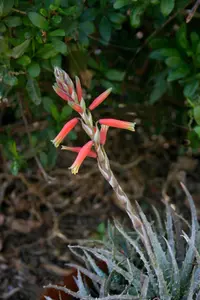
This species produces narrow, tubular red to orange flowers that stay partially closed, an adaptation that favors pollination by hummingbirds with long, slender bills in its native Andean habitats.

Native Andean range

It is naturally found on rocky slopes and dry valleys of the central Andes of Bolivia and northern Argentina, where it grows in high-light, low-rainfall environments with strong temperature fluctuations between day and night.

Dense protective spines

The stems are covered with closely spaced areoles that produce fine, hairlike spines mixed with stouter spines, which help shade the stem surface, reduce water loss, and provide protection from herbivores in its arid native range.

FAQs about Cleistocactus parviflorus

Growth is moderate for a cactus. In suitable conditions it typically adds 5–15 cm per year, eventually forming columns up to about 1–2 m tall and 5–8 cm thick, sometimes branching from the base.

Grow Healthy Plants with Botan Care

Keep your plants happy and healthy with plant identification, disease detection, and easy care guidance.

Botan plant care app — identify plants on mobile

Explore More Plants