


Mulch For Moisture
Apply a 5–8 cm layer of shredded bark or leaf mold around the root zone each spring to keep soil evenly moist, cool, and to reduce weed competition that can stress the plant.


Ligularia (Ligularia 'The Rocket') is a robust, clump-forming perennial grown mainly for its bold foliage and tall, spiky flower stems. It belongs in the daisy family but has a distinctly architectural look.
Plants form large, heart-shaped to round leaves at the base, with dramatic vertical spikes of small yellow flowers rising above in summer. This gives strong contrast and height in shaded or partially shaded borders.
Ligularia species are native to damp woodland edges and stream banks in parts of Asia, so they prefer cool roots and consistent moisture. Understanding this natural habitat makes it easier to care for Ligularia in garden settings.
The plant suits gardeners who can provide reliably moist soil, shelter from strong afternoon sun, and a position protected from drying winds.

Care Difficulty
Moderate Care

Light Preference
Partial Shade

Water Requirements
Keep Soil Moist

Temperature Preference
Cold Hardy

Hardiness Zone
4–8

Soil Texture
Loamy, Clay, Organic-rich

Soil pH
Acidic (5.5–6.5), Slightly acidic (6.5–7.0)

Soil Drainage
Moist but well-drained

Fertilization
Light (every 4–6 weeks)
Scan your plant to receive care tips personalized for your specific plant
Available on iOS and Android
This moisture-loving perennial prefers cool, bright conditions with limited direct sun exposure.
This plant needs consistently moist soil and does not tolerate drying out.
This hardy perennial prefers cool to mild temperatures and struggles in extreme heat.
This plant prefers consistently moist air but usually copes with typical outdoor garden humidity in temperate climates.
Ligularia 'The Rocket' grows best in cool, moisture-retentive, well-aerated ground.
This species can be grown in large outdoor containers if moisture and stability are carefully managed.
This perennial benefits from modest feeding to support lush foliage and tall flower spikes.
Thoughtful pruning keeps Ligularia 'The Rocket' tidy and directs energy to healthy growth.
This plant is usually grown in the ground, so focus on dividing and transplanting established clumps when needed.
Division is the most reliable method for increasing Ligularia 'The Rocket' in home gardens.
This hardy perennial tolerates typical winters in much of the US, needing only light preparation.

Plant Health Check
Not sure what's wrong with your plant? Check your plant's health inside the app.
This cultivar originated as a selected hybrid from within the Ligularia stenocephala group, bred specifically for its tall, narrow flower spikes rather than broad flower clusters seen in related species.
Its yellow flowers are arranged in dense, vertical racemes, an inflorescence type that helps attract pollinators such as bees by presenting many small flowers in a compact, upright column.
The plant forms substantial basal clumps from a crown rather than running underground, so it expands slowly and predictably, which makes managing and growing Ligularia 'The Rocket' in mixed borders easier than more spreading relatives.

This cultivar can produce flowering spikes that rise well above the foliage in suitable conditions, creating a vertical accent often used in landscape design to draw the eye upward in shaded or semi-shaded garden spaces.
Poor flowering often results from too much sun or dry soil, which stress the plant. Overcrowding can also reduce blooms. Maintain consistently moist soil, provide dappled shade, and divide clumps every few years to restore vigor.
Keep your plants happy and healthy with plant identification, disease detection, and easy care guidance.

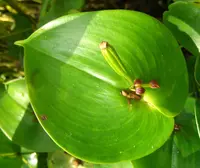
Pleurothallis cordata
Pleurothallis cordata
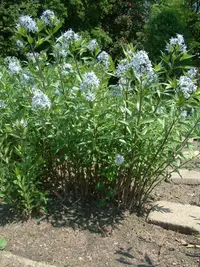
eastern bluestar
Amsonia tabernaemontana
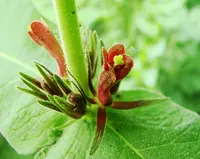
orangefruit horse-gentian
Triosteum aurantiacum

Bell Agapanthus
Agapanthus campanulatus
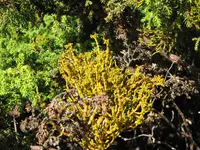
Azores Dwarf-Mistletoe
Arceuthobium azoricum
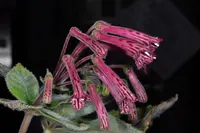
Sinningia douglasii
Sinningia douglasii
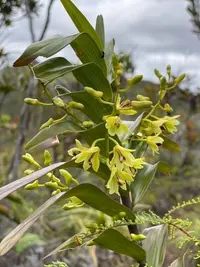
Dendrobium closterium
Dendrobium closterium
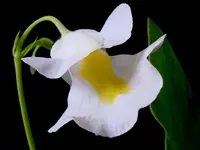
Utricularia alpina
Utricularia alpina