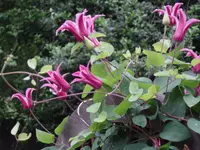
Primula macrophylla Care

About Primula macrophylla

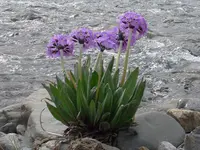
Primula macrophylla is a perennial flowering plant in the primrose family, known for its large, showy clusters of purple to violet blooms above low rosettes of leaves. The foliage is typically broad, softly textured, and forms a compact mound that highlights the upright flower stems.

This species occurs naturally in high-altitude regions of the Himalayas, where it grows in cool, moist meadows and rocky slopes. It prefers consistently moist, humus-rich soil and bright, indirect light or light shade.

In cultivation it can be somewhat demanding, as it dislikes heat, drought, and dry air. Gardeners who learn how to care for Primula macrophylla usually succeed by mimicking its cool, moist mountain habitat.

Main Plant Requirements

Care Difficulty

Moderate Care

Light Preference

Partial Shade

Water Requirements

Keep Soil Moist

Temperature Preference

Cool Climate

Hardiness Zone

5–8

Soil Texture

Loamy, Peaty, Organic-rich

Soil pH

Acidic (5.5–6.5)

Soil Drainage

Moist but well-drained

Fertilization

Light (every 4–6 weeks)

Get Personalized Care Plan

Scan your plant to receive care tips personalized for your specific plant

Available on iOS and Android

How to Care for the Primula macrophylla

This alpine primrose prefers bright, cool conditions with protection from strong sun.

  • Provide 3–5 hours of soft morning sun with light or dappled shade from late morning through afternoon, especially in warmer climates.
  • Grow Primula macrophylla in a spot with bright, filtered light under deciduous shrubs or trees so it receives more sun in spring and more shade in summer.
  • Avoid harsh midday and afternoon sun, which scorches leaves and dries soil quickly; too much shade leads to weak, floppy growth and fewer flowers.

This species prefers evenly moist, cool soil that never dries out completely or stays waterlogged.

  • Water when the top 2–3 cm of soil feels barely dry, aiming to re-wet the root zone thoroughly without leaving standing water.
  • In spring flowering season, soil may need checking every 1–2 days; reduce frequency in cool, wet weather but maintain steady moisture in active growth.
  • Ensure humus-rich, well-drained soil; yellowing, limp leaves with soggy soil suggest overwatering, while wilted leaves and crumbly soil indicate underwatering for Primula macrophylla.

This primrose favors cool conditions and dislikes extreme heat or severe freezing.

  • Aim for 45–65°F (7–18°C) for best growth and flowering, with the coolest temperatures during late winter and early spring.
  • Mature plants tolerate brief drops to around 20°F (−6°C) with mulch protection, but prolonged hard freezes or exposed windy sites can damage crowns.
  • In hot summers above 75°F (24°C), provide extra shade and consistent moisture; temperatures above 85°F (29°C) combined with dry soil can cause stress, leaf scorch, and reduced flowering.

This species prefers cool, moist air and reacts quickly to dry indoor conditions.

  • Aim for 50–70% humidity, as heated rooms with 30–40% often cause leaf edge browning.
  • Crisping leaf margins, drooping flower stalks, and buds that fail to open indicate humidity stress.
  • Raise humidity with a pebble tray or grouping plants, but avoid misting flowers to reduce fungal risk.

Primula macrophylla grows best in loose, moist, and humus-rich soil that never becomes waterlogged.

  • Use a mix of 50–60% peat-free compost, 20–30% fine bark, and 10–20% perlite or grit for structure and drainage.
  • Aim for slightly acidic to neutral pH, around 6.0–7.0, which supports nutrient uptake and root health.
  • Ensure the soil stays evenly moist yet airy; water should drain within a few seconds rather than pooling on the surface.
  • Avoid heavy clay, compacted ground, or pure sand, and lighten dense soil with organic matter and mineral grit for aeration.

This primrose is suitable for container growing in cool, shaded outdoor spots.

  • Choose a pot just 2–4 cm wider than the root ball to keep moisture even without creating a large, soggy soil mass.
  • Use a relatively deep container so roots can stay cool and buffered from rapid surface drying in sun and wind.
  • Pick a heavier clay or ceramic pot for outdoor use to stabilize the plant against wind and prevent tipping on tall flower stems.

This alpine primrose benefits from light, precise feeding rather than heavy fertilization.

  • Use a balanced, low-strength liquid fertilizer (for example 10-10-10) at 1/4–1/2 label strength for Primula macrophylla in active growth.
  • Feed every 3–4 weeks in spring and early summer when foliage and flower stalks are developing.
  • Stop or reduce feeding to once in late autumn only, or not at all, during winter dormancy.
  • Avoid manure-rich compost or strong slow-release pellets, which can scorch roots in cool, moist soil.

This plant needs light pruning mainly to maintain health and prolong flowering.

  • In late winter or very early spring, remove any dead or damaged leaves at the base with clean scissors.
  • During flowering, deadhead spent flower stems down to the foliage to encourage a longer bloom period.
  • Thin crowded, older leaves in the center after flowering to improve air flow and reduce fungal issues.
  • Disinfect tools before and after use to limit disease spread in the dense rosette.

This species is more often transplanted in garden beds than kept long term in containers.

  • Transplant in early spring or early autumn, when temperatures are cool and soil stays evenly moist.
  • Look for signs such as roots circling a small pot, soil drying very fast, or reduced flowering to decide on moving the plant.
  • Shift into a container or garden spot only 2–3 cm wider around the root ball, using cool, humus-rich, well-drained soil.
  • Water thoroughly after planting, shade from strong sun for 3–5 days, and keep soil slightly moist to reduce root stress.

Primula macrophylla is usually propagated by division or seeds under cool, moist conditions.

  • Divide mature clumps in early spring or just after flowering, ensuring each division has healthy roots and several buds.
  • Replant divisions immediately into cool, moist, humus-rich soil and water gently to settle roots.
  • For seeds, sow fresh in late summer to autumn on the surface of a gritty, moist mix and do not cover heavily.
  • Maintain cool temperatures around 50–60°F and consistent, light moisture for steady germination and early growth.

This primrose is hardy in cool climates but benefits from modest winter protection, especially in exposed sites.

  • In colder regions, apply a 3–5 cm layer of leaf mold or fine bark mulch around the crown after the ground cools.
  • Keep the crown just above mulch level so it does not stay waterlogged and rot in winter.
  • In containers, move pots into a sheltered, frost-free but cool spot, such as an unheated garage or cold frame.
  • Avoid winter overhead watering; keep soil barely moist to prevent desiccation without chilling roots.

Care Tips

Cool root management

Place pots inside a slightly larger cachepot with damp perlite or sand around the inner pot to keep roots cool and evenly moist during warmer spells.

Spring transition timing

Move plants from indoor or protected conditions to a shaded outdoor spot only once night temperatures stay consistently above 40°F, then increase light very gradually over 7–10 days to prevent shock and leaf scorch when growing Primula macrophylla.

Deadhead with precision

Remove spent flower stems down to the basal rosette as soon as petals fade, but leave healthy leaves untouched so the plant can recharge for the next flowering cycle.

Crown rot prevention

When mulching or top-dressing, keep all material at least 1–2 cm away from the crown so the central growing point stays dry and well-aerated, which strongly reduces rot risk.

Slug and snail barriers

In damp, cool conditions, place low, rough barriers such as coarse grit or copper tape around pots or bed edges and check plants at dusk to hand-pick slugs and snails before they damage the tender leaves and buds.

Common Pests and Diseases

Aphids

These insects cluster on soft new growth and flower stems, sucking sap and causing distortion, sticky honeydew, and reduced flowering.

Solution

Rinse colonies off with a firm stream of water, then spot-treat remaining insects with insecticidal soap or a ready-to-use neem oil spray, repeating every 5–7 days until populations drop. Encourage lady beetles outdoors and avoid high-nitrogen fertilizer that promotes very soft, aphid-prone growth when growing Primula macrophylla.

Vine weevils

These insects damage primrose foliage by notching leaf edges, while the white, C-shaped larvae in the soil feed on roots and crowns, leading to wilting or sudden collapse.

Solution

Inspect pots for larvae by gently removing the root ball and picking them out by hand, then repot in fresh, clean mix if numbers are high. For ongoing control, use biological control nematodes labeled for vine weevils in moist soil and remove adult beetles by hand at night from leaves and nearby surfaces.

Spider mites

These pests thrive in warm, dry air, causing tiny pale speckling on leaves, fine webbing, and general plant decline if not controlled.

Solution

Increase humidity around the plant, then wash leaves thoroughly with lukewarm water, including the undersides, and apply insecticidal soap or horticultural oil on both leaf surfaces. Repeat treatment every 5–7 days for several cycles and avoid placing the plant next to heating vents or very dry, hot windows.

Botrytis blight

This disease appears as soft, water-soaked spots on leaves, buds, or flowers that quickly develop gray, fuzzy mold, especially in cool, humid, poorly ventilated conditions.

Solution

Promptly remove and discard all affected leaves and flowers, then improve air circulation, avoid overhead watering, and keep foliage as dry as possible. In persistent cases, space plants farther apart and consider a labeled fungicide spray, focusing on protecting new growth during cool, damp periods.

Powdery mildew

Symptoms include white, powdery patches on leaves and sometimes flower stalks, which can lead to yellowing, distortion, and reduced vigor in crowded or shaded conditions with poor airflow.

Solution

Remove the most affected leaves and increase spacing and air movement around plants, avoiding dense overcrowding. Water at soil level, keep foliage dry, and if needed apply a sulfur or potassium bicarbonate fungicide labeled for ornamentals, following the product instructions for repeat intervals.

Interesting Facts

High Himalayan native

This species is naturally found in high-altitude meadows and rocky slopes of the western Himalayas, typically above 3,000 m, where it experiences cold, snowy winters and cool, moist summers.

Distinctive large rosettes

The plant forms broad, leathery leaf rosettes that can be noticeably larger than those of many other primroses, an adaptation that helps capture limited light and shed excess water in alpine environments.

Early-season pollinator support

In its native range, it flowers soon after snowmelt, providing some of the first nectar and pollen resources of the season for early-flying insects in harsh mountain habitats.

Botan icon

Did you know?

Garden populations of this species in cultivation often originate from a relatively narrow set of Himalayan collections, so plants labeled as Primula macrophylla in horticulture can represent slightly different local forms that reflect the genetic diversity of their original wild populations.

FAQs about Primula macrophylla

Lack of flowers usually comes from temperatures that are too warm, insufficient winter chill, or plants that are crowded and not divided for several years. Moderate feeding after flowering and occasional division help maintain reliable blooming.

Grow Healthy Plants with Botan Care

Keep your plants happy and healthy with plant identification, disease detection, and easy care guidance.


Botan plant care app — identify plants on mobile

Explore More Plants