Encourage Compact Form
Pinch back soft shoot tips by 1–2 in every few weeks in active growth to keep plants dense, improve branching, and increase flower production.

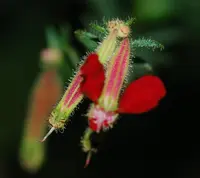
Cuphea hookeriana is a compact, evergreen shrub grown mainly for its small tubular flowers and neat, bushy form. It is often used as a border plant, low hedge, or container specimen.
The plant typically carries narrow green leaves and abundant blooms in shades of red, orange, or purple, which attract bees, butterflies, and hummingbirds. It originates from warm regions of Central and South America, so it prefers mild, frost-free conditions.
Gardeners who want to know how to care for Cuphea hookeriana should note that it responds well to full sun, regular moisture, and well-drained soil. It is generally considered easy to grow in suitable climates or as a warm-season container plant.

Care Difficulty
Moderate Care

Light Preference
Full Sun

Water Requirements
Regular Water

Temperature Preference
Tropical / Frost Sensitive

Hardiness Zone
10–11

Soil Texture
Sandy, Loamy, Organic-rich

Soil pH
Acidic (5.5–6.5), Slightly acidic (6.5–7.0)

Soil Drainage
Moist but well-drained

Fertilization
Light (every 4–6 weeks)
Scan your plant to receive care tips personalized for your specific plant
Available on iOS and Android
This sun-loving shrub flowers best with strong light and some protection from harsh heat.
This plant prefers consistently moist, well-drained soil without staying soggy.
This warm-climate shrub thrives in mild to hot conditions and is very sensitive to frost.
This species prefers moderate humidity but usually adapts to typical indoor air if not extremely dry.
Cuphea hookeriana grows best in loose, well-aerated, moderately fertile soil that drains quickly yet retains some moisture.
This species is well suited to container growing when provided with stable moisture and adequate root space.
Balanced feeding supports compact growth and abundant flowering in Cuphea hookeriana.
Thoughtful pruning keeps Cuphea hookeriana compact, branching well, and flowering strongly.
Container-grown Cuphea hookeriana benefits from occasional repotting or transplanting to maintain healthy root growth.
New Cuphea hookeriana plants are most reliably produced from softwood or semi-ripe stem cuttings.
Cuphea hookeriana is frost-sensitive and needs clear winter protection in regions with freezing temperatures.

Plant Health Check
Not sure what's wrong with your plant? Check your plant's health inside the app.
This species is native to cool, humid highland regions of Mexico, where it often grows in montane or cloud forest edges with regular mist and bright but filtered light.
The long, tubular orange‑red flowers are adapted for pollination by hummingbirds and certain long‑tongued insects that can reach the nectar deep inside the floral tube.
Unlike many bedding cupheas, this species forms a small, woody shrub that can flower over an extended season under mild conditions, providing consistent color and nectar in suitable climates.
Poor flowering usually comes from insufficient light, low nutrition, or old, unpruned stems. Use a balanced, slow‑release fertilizer in spring, remove spent flowers, and lightly trim straggly growth to encourage new, flower-bearing shoots.
Keep your plants happy and healthy with plant identification, disease detection, and easy care guidance.