


Support Long Runners
Use lightweight hooks or soft plant ties to guide and support long stolons so plantlets hang neatly and do not kink or snap under their own weight.

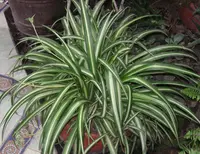
Chlorophytum comosum 'Vittatum' is a compact, evergreen houseplant grown mainly for its arching rosettes of narrow green leaves with a creamy white stripe. It forms cascading clumps that produce plantlets on long, trailing stems, making it ideal for hanging baskets or high shelves.
This cultivar originates from tropical regions of southern Africa but is now common in indoor collections worldwide. It is valued for being adaptable, forgiving of minor care mistakes, and quick to recover from stress.
The plant prefers bright, indirect light, moderate moisture, and a freely draining potting mix. For beginners wondering how to care for Variegated Spider Plant, this species offers a forgiving introduction to indoor plant care.

Care Difficulty
Easy Care

Light Preference
Bright Indirect Light

Water Requirements
Moderate Water

Temperature Preference
Tropical / Frost Sensitive

Hardiness Zone
9–11

Soil Texture
Loamy, Sandy, Organic-rich

Soil pH
Acidic (5.5–6.5), Slightly acidic (6.5–7.0)

Soil Drainage
Moist but well-drained

Fertilization
Light (every 4–6 weeks)
Scan your plant to receive care tips personalized for your specific plant
Available on iOS and Android
Chlorophytum comosum 'Vittatum' thrives in bright, indirect light and tolerates partial shade.
Chlorophytum comosum 'Vittatum' prefers evenly moist but not waterlogged soil.
This plant grows best in moderate, stable temperatures without frost exposure.
This plant grows well in typical indoor humidity but benefits from slightly moist air.
This plant prefers a light, airy, fast-draining mix that still holds moderate moisture.
This species is very suitable for container growing due to its fibrous root system and arching habit.
This cultivar responds well to moderate, consistent feeding during the active growing season.
Pruning Chlorophytum comosum 'Vittatum' is simple and mainly focuses on tidying and managing size.
This spider plant prefers slightly snug pots but benefits from periodic repotting to refresh the root zone.
New plants are most often produced from the plantlets that form on long arching stems.
This plant is frost-sensitive and must be kept above freezing for reliable long-term health.

Plant Health Check
Not sure what's wrong with your plant? Check your plant's health inside the app.
'Vittatum' is one of the oldest named spider plant cultivars, selected in Europe in the late 19th century for its distinctive broad white central stripe and strong production of arching stolons with plantlets.
'Vittatum' shows a genetically stable pattern where the leaf center is creamy-white and the margins are green, a variegation pattern that tends to remain consistent even under varying indoor light levels compared with some other spider plant cultivars.
This cultivar is especially noted for producing numerous plantlets on long, hanging stems, which makes it one of the most commonly used forms for hanging baskets and for easy vegetative propagation in homes and public spaces.

NASA’s early indoor air quality studies frequently used spider plants, and the variegated forms such as 'Vittatum' became popular demonstration plants in public discussions about indoor air and houseplant use, which helped transform this specific cultivar from a Victorian ornamental into a standard fixture in modern offices and homes.
Brown tips usually come from low humidity, fluoride or salts in tap water, or inconsistent watering. Use filtered or rainwater, flush the pot occasionally, keep soil lightly moist, and trim browned tips with clean scissors.
Keep your plants happy and healthy with plant identification, disease detection, and easy care guidance.

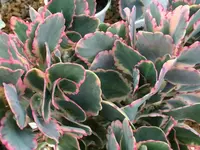
Variegated Kalanchoe
Kalanchoe fedtschenkoi 'Marginata'
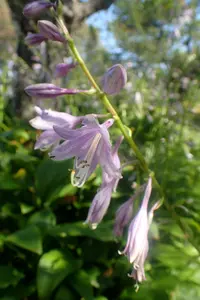
narrowleaf plantain lily
Hosta lancifolia
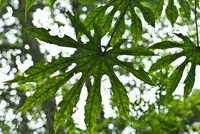
many-fruited aralia
Fatsia polycarpa
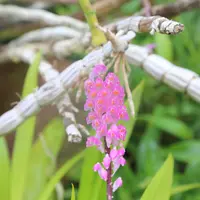
Toothbrush orchid
Dendrobium secundum
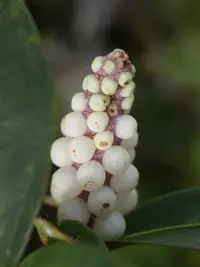
Anthurium obtusum
Anthurium obtusum
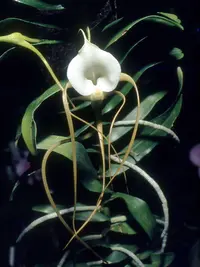
Angraecum ramosum
Angraecum ramosum
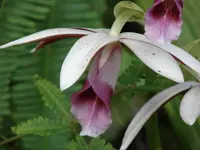
greater swamp-orchid
Calanthe tankervilleae
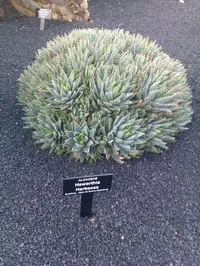
Leafy Haworthia
Haworthia herbacea