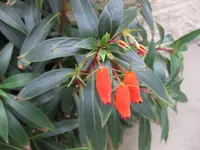
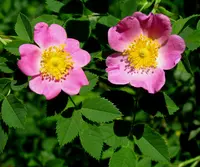
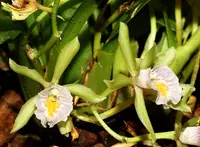
Pimpernel Care (Lysimachia buxifolia)

About Pimpernel

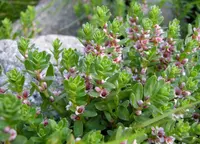
Lysimachia buxifolia, commonly called pimpernel, is a low-growing perennial herb often found in damp meadows, open wetlands, and light woodland edges. It naturally occurs in parts of Europe and nearby regions, forming loose clumps or small patches over time.

The plant typically has slender stems, small opposite leaves, and delicate star-like flowers that give it a fine, airy look rather than a bold display. It is generally considered manageable for home gardeners, as long as its need for consistent moisture and reasonably fertile, well-drained soil is met.

Light shade to full sun in cooler climates usually suits it, and understanding how to care for Pimpernel starts with matching these conditions as closely as possible.

Main Plant Requirements

Care Difficulty

Moderate Care

Light Preference

Partial Sun

Water Requirements

Keep Soil Moist

Temperature Preference

Cool Climate

Hardiness Zone

5–8

Soil Texture

Loamy, Silty, Organic-rich

Soil pH

Acidic (5.5–6.5), Slightly acidic (6.5–7.0)

Soil Drainage

Moist but well-drained

Fertilization

Minimal (feed rarely)

Get Personalized Care Plan

Scan your plant to receive care tips personalized for your specific plant

Available on iOS and Android

How to Care for the Pimpernel

This species prefers bright, gentle outdoor light with some protection from harsh midday sun.

  • Provide 4–6 hours of direct morning sun or light afternoon shade; east or light north aspects suit Pimpernel well.
  • Tolerates partial shade, but in less than 3–4 hours of direct or bright filtered light, stems may stretch and flowering declines.
  • In hot summers, protect from strong sun between 11 a.m. and 3 p.m. to prevent leaf scorch, especially in dry or exposed sites.

This plant prefers consistently moist but not waterlogged soil, especially during active growth.

  • Water when the top 2–3 cm of soil feels slightly dry, allowing deeper soil to stay evenly damp, particularly in the flowering season.
  • In cool or rainy periods, reduce watering to avoid soggy conditions and root rot; ensure soil drains freely and does not stay flooded.
  • Signs of underwatering include limp, dull foliage, while yellowing lower leaves and a sour smell in the soil suggest overwatering in Lysimachia buxifolia.

This species grows best in mild to moderately warm outdoor conditions with some tolerance of cool weather.

  • Optimal growth occurs around 60–75°F (16–24°C), with vigorous foliage and flowering in stable spring and early summer temperatures.
  • Plants generally tolerate down to about 25–28°F (-4 to -2°C) once established, but young growth is more easily damaged by sudden frosts.
  • In hot spells above 86°F (30°C), growth may slow; increase soil moisture and provide afternoon shade to limit heat stress and leaf scorch.

This species prefers moderately moist air but adapts to typical household humidity.

  • Aim for 40–60% humidity to keep foliage turgid and reduce leaf-edge browning.
  • Tolerates short spells of drier air, but persistent levels below 30% can cause curling, pale growth, and crispy tips.
  • Increase humidity by grouping pots, placing the container on a pebble tray with water below the pot base, or using a small humidifier near Pimpernel.

This species grows best in evenly moist, well-drained, organic-rich soil.

  • Use a loose loam with fine bark, compost, and a small amount of coarse sand or perlite to balance moisture holding and drainage.
  • Target a slightly acidic to neutral pH of 6.0–7.0 for reliable nutrient uptake in Lysimachia buxifolia.
  • Improve aeration by avoiding compaction; gently crumble and mix the soil instead of pressing it firmly around the roots.
  • Avoid heavy clay or mixes that stay waterlogged, which promote root rot and weak, shallow rooting.

This plant suits container culture when the pot supports its spreading root system and moisture needs.

  • Choose a wide, moderately deep pot to allow lateral spread of roots and stable surface coverage.
  • Select a heavier material such as ceramic if the container is shallow, to prevent tipping as foliage spreads outward.
  • Ensure large, unobstructed drainage holes so excess irrigation water exits quickly, avoiding prolonged saturation at the base.

Lysimachia buxifolia grows well in modestly fertile soil and benefits from light feeding during active growth.

  • Apply a balanced liquid fertilizer (such as 10-10-10) diluted to 1/2 strength every 4–6 weeks in spring and summer.
  • Alternatively, mix a small amount of compost into the top 2–3 in of soil at the start of the growing season.
  • For containers, use a slow-release balanced fertilizer once in spring to support healthy Pimpernel growth.
  • Stop feeding in fall and winter to avoid soft, frost‑sensitive growth.

Pruning helps maintain compact, flowering clumps of Lysimachia buxifolia and reduces congestion.

  • Cut back dead or winter-damaged stems in early spring before strong new growth appears.
  • Remove spent flower stems and any leggy or overcrowded shoots during the growing season to keep a tidy shape.
  • Use clean, sharp scissors or hand pruners to make angled cuts just above a healthy leaf node.
  • Thin dense patches by removing entire stems at the base, which improves air flow and supports stronger flowering.

This species is more often transplanted in the ground than grown long term in containers.

  • Transplant or divide clumps in early spring or early fall when temperatures are mild and soil is workable.
  • Move plants when growth slows, centers of clumps thin out, or roots circle the pot and emerge from drainage holes.
  • Plan on lifting and relocating or dividing every 3–4 years to refresh soil and manage spread.
  • Water thoroughly before and after moving, keep roots shaded, and trim back top growth slightly to limit transplant shock.

Lysimachia buxifolia is commonly propagated by division, cuttings, or seed under suitable conditions.

  • Divide mature clumps in early spring or fall, replanting firm, rooted sections at the same depth and watering well.
  • Take 7–10 cm softwood cuttings in late spring, remove lower leaves, and root in moist, well-drained mix under bright, indirect light.
  • Sow fresh seed on the surface of moist seed mix, barely cover, and keep at 60–70°F until germination.
  • Maintain steady moisture but not waterlogging, and provide good air circulation to prevent rot during rooting or establishment.

In many temperate regions this plant is fairly cold hardy and needs only modest winter care outdoors.

  • In zones with freezing winters, apply a 5–7 cm layer of mulch around the root zone after the ground cools.
  • Allow top growth to die back naturally; remove mushy or diseased stems to reduce overwintering pathogens.
  • For container plants in colder climates, move pots into a sheltered, frost-free but cool location and water sparingly.

Care Tips

Edge containment

Install a shallow plastic or metal edging 10–15 cm deep around beds to prevent stolons from spreading into lawns or neighboring plantings, then inspect and cut back any runners that jump the barrier once or twice a season.

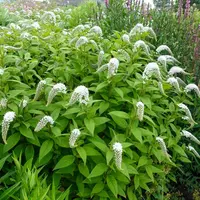
Division for vigor

Lift and divide mature clumps every 3–4 years in early spring, replanting only the healthiest sections and discarding woody or congested centers to maintain dense growth and flowering.

Mulch management

Use a 2–3 cm layer of fine, weed-free mulch that stops 2–3 cm short of the stems to suppress weeds and moderate soil moisture while avoiding rot at the crown.

Stolon control

Where spread must be tightly controlled, periodically slice vertically into the soil with a clean spade along a defined line to sever advancing stolons and remove the cut pieces.

Seasonal monitoring

Once plants are established, add a brief seasonal walk-through in late spring and late summer, checking for crowding, dieback, or pest hotspots so that caring for Pimpernel becomes a quick, preventive task instead of a major renovation.

Common Pests and Diseases

Leaf spot fungi

This disease causes small dark brown to black spots on leaves that may merge into larger blotches, especially in humid, crowded plantings.

Solution

Remove and discard heavily spotted leaves, avoid overhead watering, and thin or divide clumps to improve airflow; for persistent cases, apply a copper-based or chlorothalonil fungicide labeled for ornamental perennials, following all label directions.

Powdery mildew

This disease produces a white to gray, powdery coating on upper leaf surfaces, often during warm days and cool, humid nights.

Solution

Increase spacing and airflow, water at the base rather than on foliage, remove the most affected leaves, and use a sulfur or potassium bicarbonate fungicide if the problem recurs or covers large portions of the plant.

Aphids

These insects cluster on tender stems and undersides of leaves, sucking plant sap and causing curling, distortion, and sticky honeydew that can attract sooty mold.

Solution

Spray stems and leaves with a strong stream of water to dislodge colonies, then treat remaining insects with insecticidal soap or a light horticultural oil, repeating every 5–7 days until populations are reduced.

Slugs and snails

These pests chew irregular holes and notches in leaves, often leaving silvery slime trails on or around the plant, particularly in moist, shaded sites.

Solution

Hand-pick at night, use iron phosphate bait around but not touching stems, and reduce hiding places by removing dense debris or mulch directly against the crowns to support healthier Lysimachia buxifolia care.

Interesting Facts

Native wetland specialist

This species naturally occurs in wet meadows, marshy ground, and along stream margins in parts of Europe, where it is adapted to periodically waterlogged soils and fluctuating water levels.

Box-leaf foliage form

The small, opposite leaves are stiff and boxwood-like, which is reflected in the name buxifolia, meaning box-leaved, and helps distinguish it from many broader-leaved Lysimachia species.

Pollinator-friendly flowers

Its pale yellow, star-shaped flowers produce accessible nectar and pollen that support a range of small bees and flies in damp habitats during the flowering season.

FAQs about Pimpernel

This species spreads by creeping stems and can form dense patches over time. In most gardens it is manageable, but edging, root barriers, or periodic division help prevent it from overrunning nearby low-growing plants.

Grow Healthy Plants with Botan Care

Keep your plants happy and healthy with plant identification, disease detection, and easy care guidance.

Botan plant care app — identify plants on mobile

Explore More Plants