Staggered Renewal Cutting
Every 2–3 years, cut back only one-third of the oldest clumps to 5–8 cm from the ground in early spring to rejuvenate growth while keeping the planting looking full.

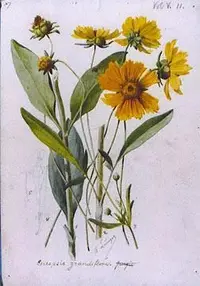
Large-flowered tickseed (Coreopsis grandiflora) is a sun-loving perennial grown mainly for its bright yellow daisy-like flowers and long blooming season. It forms clumping mounds with upright stems that fit well in borders and meadow-style plantings.
This species is native to parts of North America, where it thrives in open, well-drained sites. It is generally considered easy to grow, as it tolerates poor soils, light drought, and requires only moderate maintenance.
Gardeners who want to care for Large-flowered tickseed should provide plenty of sun, reasonably drained soil, and avoid heavy, waterlogged conditions to keep plants healthy and floriferous.

Care Difficulty
Easy Care

Light Preference
Full Sun

Water Requirements
Low Water

Temperature Preference
Cold Hardy

Hardiness Zone
4–9

Soil Texture
Sandy, Loamy, Rocky

Soil pH
Acidic (5.5–6.5), Slightly acidic (6.5–7.0)

Soil Drainage
Well-drained

Fertilization
Minimal (feed rarely)
Scan your plant to receive care tips personalized for your specific plant
Available on iOS and Android
This sun-loving perennial needs strong light to flower well in most gardens.
This drought-tolerant perennial prefers deep, infrequent watering once established.
This hardy perennial tolerates a wide temperature range once established in the garden.
Coreopsis grandiflora handles a wide humidity range and usually does not need special humidity management outdoors.
Coreopsis grandiflora prefers lean, well-drained soil that does not stay wet after rain or watering.
This species grows well in containers when drainage and root space are carefully managed.
Coreopsis grandiflora benefits from light, balanced feeding but performs well even in modest soils.
Pruning helps Coreopsis grandiflora stay compact and extend its flowering period.
This species is usually grown in garden beds, so transplanting is more common than repotting.
Coreopsis grandiflora is commonly propagated by division and seeds for consistent flowering displays.
Established Coreopsis grandiflora is generally cold hardy and needs only minimal winter care in most temperate climates.

Plant Health Check
Not sure what's wrong with your plant? Check your plant's health inside the app.
This species is native to central and southern US prairies and open woodlands, where it often grows in well-drained, sandy or rocky soils that many other perennials cannot tolerate.
Although often described as a short-lived perennial, it persists in sites for many years by reseeding lightly into nearby open soil, maintaining populations without forming aggressive colonies.
Its large, nectar- and pollen-rich yellow flower heads are especially attractive to native solitary bees and small butterflies, making it a documented component of pollinator-supporting prairie restorations and gardens.

Coreopsis grandiflora has been selected into numerous named cultivars with distinct flower forms and colors, and in several US states these selections have been used in highway wildflower programs because they establish reliably from seed and create long-lasting bands of summer color with relatively low maintenance.
Lack of flowers usually comes from too little sun, soil that is too rich in nitrogen, or old, spent stems. Deadhead faded blooms, avoid heavy fertilizing, and divide crowded clumps every few years to restore flowering.
Keep your plants happy and healthy with plant identification, disease detection, and easy care guidance.