Flower Bud Protection
In late winter, cover shrubs with a breathable frost cloth during hard freezes to protect developing buds and avoid losing the spring bloom display.

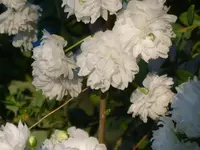
Flowering almond (Prunus glandulosa) is a compact, deciduous shrub valued for its abundant early spring blossoms. It typically forms a low, rounded shape with many slender branches.
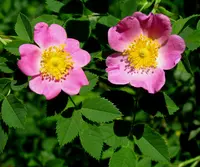
In bloom, it is covered in small, pale pink to white flowers that appear before or with the new leaves, creating a strong seasonal display. It originates from China and is commonly grown in temperate gardens.
This shrub is generally considered moderately easy to grow if given full sun, well-drained soil, and consistent moisture. Understanding how to care for flowering almond focuses mainly on providing good light, drainage, and pruning to maintain shape and vigor.

Care Difficulty
Moderate Care

Light Preference
Full Sun

Water Requirements
Moderate Water

Temperature Preference
Cold Hardy

Hardiness Zone
4–8

Soil Texture
Sandy, Loamy, Clay

Soil pH
Acidic (5.5–6.5), Slightly acidic (6.5–7.0)

Soil Drainage
Well-drained

Fertilization
Minimal (feed rarely)
Scan your plant to receive care tips personalized for your specific plant
Available on iOS and Android
This deciduous shrub needs strong outdoor light to bloom well and stay compact.
This shrub prefers evenly moist but not saturated soil, especially during active growth and flowering.
This hardy shrub tolerates a wide temperature range but performs best in moderate conditions.
This shrub handles typical outdoor humidity ranges and rarely needs special humidity management.
This shrub prefers well-drained, moderately fertile soil with stable structure.
This species is suitable for container growing if the pot supports its woody root system and seasonal growth.
Flowering almond benefits from modest, targeted feeding to support abundant spring bloom without excessive leafy growth.
Prunus glandulosa responds well to thoughtful pruning that maintains a compact shape and strong flowering wood.
This shrub is usually grown in the ground, so focus on careful transplanting or occasional container up-potting.
Prunus glandulosa plant care often includes propagation from cuttings or suckers to maintain desired flower form.
This shrub is moderately cold hardy but benefits from simple winter care, especially in containers or very exposed sites.

Plant Health Check
Not sure what's wrong with your plant? Check your plant's health inside the app.
This species is native to northern China, where it occurs on open slopes and shrublands and has been cultivated in temple and courtyard gardens for its heavy early-spring bloom.
Many ornamental forms, such as 'Rosea Plena' and 'Alboplena', have fully double flowers created by petal-like stamens, which greatly increase floral display but provide much less nectar and pollen for pollinators than single-flowered forms.
Prunus glandulosa typically has a relatively short lifespan for a woody ornamental, often declining after 10–15 years due to its natural tendency toward canker and dieback in older wood.

Unlike most ornamental flowering cherries, Prunus glandulosa often produces flowers along almost the entire length of its previous season’s shoots, creating a dense, twig-covering mass of blossom that can nearly obscure the branches before the leaves expand.
Lack of flowers usually comes from pruning at the wrong time, insufficient sun, or nutrient imbalance. Heavy pruning after midsummer removes next year’s buds. Use balanced fertilizer, avoid excess nitrogen, and ensure strong light to support bud formation.
Keep your plants happy and healthy with plant identification, disease detection, and easy care guidance.