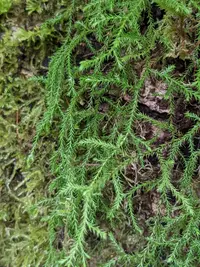
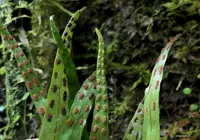
staghorn clubmoss Care (Lycopodiella cernua)

Also known as: Nodding Clubmoss, Fairy Christmas Tree
staghorn clubmoss

About staghorn clubmoss

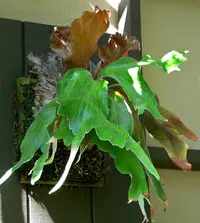
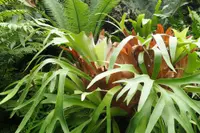
Staghorn clubmoss (Lycopodiella cernua) is a primitive, spore-producing plant related to ancient lycophytes rather than true mosses or ferns. It forms low, branching mats with upright, antler-like shoots that give it a distinctive staghorn look. In nature it grows in warm, humid regions, often in open, wet or boggy habitats with acidic, nutrient-poor soils. The plant prefers consistent moisture, high humidity, and soft, filtered light, which can make it more demanding indoors. Understanding how to care for staghorn clubmoss starts with recreating its naturally moist, airy, and cool root environment without letting the substrate stay stagnant or waterlogged.

Main Plant Requirements

Care Difficulty

Hard Care

Light Preference

Partial Shade

Water Requirements

Aquatic

Temperature Preference

Tropical / Frost Sensitive

Hardiness Zone

10–12

Soil Texture

Sandy, Silty, Organic-rich

Soil pH

Strongly acidic (4.5–5.5), Acidic (5.5–6.5)

Soil Drainage

Waterlogged tolerant

Fertilization

Minimal (feed rarely)

Get Personalized Care Plan

Scan your plant to receive care tips personalized for your specific plant

Available on iOS and Android

How to Care for the staghorn clubmoss

Lycopodiella cernua prefers bright, indirect light that mimics filtered woodland sun.

  • Provide 3–5 hours of gentle morning sun or bright, filtered light under taller plants; avoid harsh midday and afternoon sun that can scorch foliage.
  • Allow partial shade, especially in hot climates; dense, deep shade leads to leggy, weak growth and thinning mats over time.
  • In summer, protect from strong sun with shade cloth or dappled canopy; in winter, ensure it still receives bright, indirect light for steady growth of staghorn clubmoss.

This species needs consistently moist conditions but reacts poorly to stagnant, airless water.

  • Keep soil evenly moist; do not let more than the top 1–2 cm dry out, as shoots may wilt or crisp at the tips when underwatered.
  • Use a loose, well-drained yet moisture-retentive substrate; water thoroughly until moist through the root zone, allowing excess to drain away fully.
  • Increase watering frequency in warm, windy weather; in cooler seasons, maintain slight surface moisture and watch for yellowing, mushy stems as a sign of overwatering in Lycopodiella cernua.

This plant comes from warm, humid habitats and dislikes cold or sudden temperature drops.

  • Aim for 70–80°F (21–27°C) for strongest growth, with acceptable ranges from 65–85°F (18–29°C) if humidity stays high.
  • Protect from cold; growth slows below 60°F (16°C), and foliage can be damaged near 40°F (4°C); prolonged exposure near freezing is often fatal.
  • In hot spells above 85°F (29°C), increase humidity and shade to reduce stress; avoid placing it where it experiences hot, dry winds or rapid temperature swings.

This species needs consistently high humidity to thrive in cultivation.

  • Aim for 70–90% humidity; use a humidifier, closed terrarium, or greenhouse bench to maintain stable moisture in the air.
  • It tolerates only brief exposure to drier air; prolonged levels below 60% cause frond tips to crisp and growth to stall.
  • Humidity stress shows as pale, curling, or browning shoot tips; increase humidity and reduce air movement from fans or vents.

Lycopodiella cernua prefers a constantly moist, light, and organic-rich substrate with excellent aeration.

  • Use a loose mix such as 50% fine pine bark or coco coir, 30% peat or sphagnum, and 20% sand or perlite for structure and drainage.
  • Keep the soil evenly damp but never stagnant; a mix that holds moisture yet drains within a few minutes after watering works best.
  • Aim for slightly acidic conditions, roughly pH 5.0–6.0, by favoring peat- or sphagnum-based components and avoiding alkaline amendments like lime.
  • Avoid heavy garden soil, dense compost-only mixes, and any medium that compacts, since low oxygen around the roots quickly causes decline.

This species can be grown in containers if consistent moisture and humidity are maintained.

  • Choose a wide, shallow container to accommodate its creeping habit and allow fast surface drying between waterings without letting the root zone dry completely.
  • Use a potting insert or inner mesh pot set inside a cachepot to slow moisture loss while still allowing excess water to drain away freely.
  • Select plastic or glazed ceramic containers over unglazed clay when extra moisture retention is needed in warm, bright outdoor positions.

This species grows in nutrient-poor habitats and usually needs only light feeding in cultivation.

  • Use a very dilute balanced liquid fertilizer (around 1/4 strength, such as 10-10-10) during active growth in spring–summer.
  • Apply no more than every 4–6 weeks, focusing on plants grown in containers or very inert substrates.
  • Avoid compost-rich mixes; staghorn clubmoss prefers lean, well-drained, acidic media with low organic load.
  • Stop feeding in fall and winter when growth slows, to prevent weak, elongated shoots and salt buildup.

Lycopodiella cernua benefits from minimal, careful pruning to maintain health and compact growth.

  • Carry out light trimming in late spring or early summer when plants are actively growing.
  • Remove only dead, damaged, or badly tangled shoots, cutting just above healthy green tissue.
  • Use small, clean scissors to avoid crushing the fine stems and to limit disease spread.
  • Very light shaping can encourage denser mats, but avoid heavy cutting that exposes bare substrate.

Container-grown plants and nursery stock appreciate thoughtful transplanting to reduce stress.

  • Plan transplanting for spring, once steady warmth returns and new growth starts.
  • Look for circling roots, slow growth, or very rapid drying of the medium as signs a container plant needs more space.
  • Shift only 1 pot size up, keeping the fragile root mass as intact as possible and handling stems gently.
  • Set into a shallow, moist, acidic, well-drained mix, then shade, keep evenly humid, and avoid disturbance for 1–2 weeks.

This clubmoss is usually propagated vegetatively, since spore culture is slow and specialized.

  • Use division or stem layering in late spring–summer, when growth is active and humidity is high.
  • For layering, pin healthy creeping stems onto moist, acidic mix until new roots form, then separate gently.
  • When dividing clumps, keep root systems and attached stems intact and avoid breaking fine rhizoids.
  • Maintain high humidity, bright indirect light, and consistently moist substrate to support establishment.

In mild, frost-free climates it needs little winter care, but protection is important where hard freezes occur.

  • Treat as frost-tender; sustained temperatures below 32°F can kill foliage and stems.
  • In cold regions, grow in containers and move indoors or into a greenhouse before first hard frost.
  • Indoors, provide cool (50–60°F), bright, humid conditions and keep the substrate lightly moist, not waterlogged.

Care Tips

Shallow container choice

Use a wide, shallow pot or tray with many drainage holes so the surface stolons can spread horizontally without the substrate staying waterlogged in deeper layers.

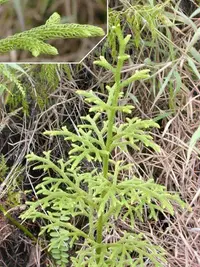
Surface stolon training

Gently pin down wandering stems with U-shaped wire pins or orchid clips on the substrate surface to encourage denser mats and quicker coverage rather than long, sparse runners.

Substrate edge maintenance

Periodically lift and re-set any stems that start to climb the container rim, guiding them back onto the moist substrate to prevent dry dieback along the pot edges.

Moisture gradient zoning

In a larger tray, create a slightly higher, better-drained zone and a lower, more retentive zone so the plant can self-select the preferred moisture level by naturally extending its stolons.

High-humidity airflow

If using a terrarium or propagation dome for growing staghorn clubmoss, keep vents slightly open or use a small fan on a low setting to prevent stagnant, fungus-prone air while maintaining high humidity.

Common Pests and Diseases

Scale insects

This pest feeds on stems and delicate leaves, extracting sap and causing yellowing, stunting, and gradual decline in clumps grown under warm, humid conditions.

Solution

Remove heavily infested fronds and gently wipe or brush remaining stems with a soft cloth or cotton swab dipped in dilute insecticidal soap, then rinse. Improve air movement, avoid overfertilizing, and inspect regularly so small colonies can be controlled early as part of overall Lycopodiella cernua care.

Spider mites

These insects thrive on plants kept too warm and dry, leading to fine webbing, pale stippling, and a dull, dusty look on foliage tips.

Solution

Increase humidity, hose or shower the plant to wash mites from fronds, and use insecticidal soap or a horticultural oil labeled for mites, repeating as needed. Reduce heat stress, avoid placing the plant near drying vents, and monitor the undersides of foliage with a magnifying lens.

Mealybugs

This pest appears as white, cottony clusters in stem joints and protected crevices, weakening plants by sucking sap and predisposing them to sooty mold growth.

Solution

Isolate affected plants, remove visible mealybugs with a cotton swab dipped in isopropyl alcohol, and follow with thorough sprays of insecticidal soap, ensuring good coverage into joints and crevices. Repeat treatments every 7–10 days until no new insects appear and avoid bringing infested plants or tools into contact with healthy clumps.

Fungal leaf blight

This disease causes irregular brown or black lesions on soft foliage, often beginning on crowded, poorly ventilated clumps kept constantly wet.

Solution

Cut off and discard affected fronds, then reduce overhead watering and improve airflow around the plant to let foliage dry more quickly. If new spots continue to appear, apply a broad-spectrum fungicide labeled for ornamental foliage and adjust watering so the substrate stays moist but not soggy.

Stem base rot

This disease affects the lower stems and nodes in waterlogged or compacted substrates, leading to blackened, mushy tissue and collapse of affected shoots.

Solution

Remove and discard rotting stems and any foul-smelling substrate, then repot into a loose, well-drained, consistently moist mix while avoiding standing water. Adjust watering to keep the medium evenly damp, raise containers slightly for better drainage, and use clean tools and pots to limit reinfection.

Interesting Facts

Pioneer of bare soils

This species is a classic pioneer plant in tropical and subtropical regions, often one of the first vascular plants to colonize open sandy or disturbed sites such as road cuts, burned areas, and exposed slopes.

Sprawling, forked stems

It forms creeping, repeatedly forked stems that root as they go, creating low, mat-like colonies that can stabilize loose, eroding substrates.

Ancient lineage representative

As a clubmoss, it belongs to one of the most ancient lineages of vascular plants, providing a living example of early land plant architecture with microphylls, which are small leaves with a single unbranched vein.

Botan icon

Did you know?

In some tropical regions this species can act as a bioindicator of disturbance, since its presence and spread often signal recently opened or degraded habitats that have not yet progressed to later stages of plant succession.

FAQs about staghorn clubmoss

This species spreads by creeping stems and rooting at the nodes, forming low mats over time. In consistently moist, open sites it can expand noticeably, but it is usually not considered aggressively invasive in managed gardens.

Grow Healthy Plants with Botan Care

Keep your plants happy and healthy with plant identification, disease detection, and easy care guidance.

Botan plant care app — identify plants on mobile

Explore More Plants