Piedmont roseling Care (Callisia rosea)

Also known as: common roseling
Piedmont roseling

About Piedmont roseling

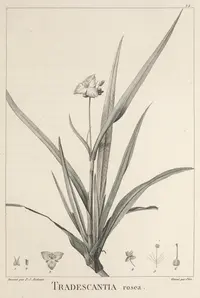
Piedmont roseling (Callisia rosea) is a small, low-growing perennial native to sandy pinewoods and open habitats in the southeastern United States. It often forms loose mats or clumps, making it useful as a subtle groundcover in suitable climates.

The plant has narrow, grass-like leaves and delicate pink to rose flowers that appear close to the foliage. Its growth is typically compact, so it fits well in small garden spaces or naturalistic plantings.

This species favors well-drained, sandy or loamy soils and does best with moderate moisture and bright light to light shade. Overall, it is not demanding, but to care for Piedmont roseling successfully, it is important to avoid heavy, waterlogged soils and deep shade.

Main Plant Requirements

Care Difficulty

Easy Care

Light Preference

Partial Shade

Water Requirements

Moderate Water

Temperature Preference

Tropical / Frost Sensitive

Hardiness Zone

8–11

Soil Texture

Sandy, Loamy, Organic-rich

Soil pH

Acidic (5.5–6.5), Slightly acidic (6.5–7.0)

Soil Drainage

Moist but well-drained

Fertilization

Light (every 4–6 weeks)

Get Personalized Care Plan

Scan your plant to receive care tips personalized for your specific plant

Available on iOS and Android

How to Care for the Piedmont roseling

Callisia rosea prefers bright, indirect light with some gentle direct sun for best growth.

  • Provide 3–5 hours of morning sun or late-afternoon sun, with dappled or filtered light during the strongest midday hours.
  • Tolerates partial shade, but stems may stretch and flowering may decrease if light drops below roughly 3 hours of bright exposure daily.
  • In hot summers, especially for Piedmont roseling in Southern states, protect from harsh afternoon sun to prevent leaf scorch and pale, crispy edges.

Callisia rosea prefers evenly moist but not saturated soil and resents prolonged drying or waterlogging.

  • Water when the top 2–3 cm of soil feels dry, using enough water to moisten the root zone, then allow excess to drain away fully.
  • In spring and summer, dryness at the surface should be brief; in cooler seasons, allow the top layer to stay dry a bit longer before watering again.
  • Watch for yellowing, mushy stems as a sign of overwatering and crisp, curling leaves or drooping mats as a sign that the plant is too dry.

This species grows best in warm, mild conditions and is sensitive to frost and extreme heat.

  • Aim for 65–80°F (18–27°C) during active growth; within this range, foliage stays compact and flowering is more reliable.
  • Protect from temperatures below 40°F (4°C); light frost can damage leaves, and repeated freezes may kill the plant to the roots.
  • In hot spells above 90°F (32°C), provide light shade and consistent soil moisture to limit heat stress, leaf scorch, and stalled growth.

This species prefers moderate humidity but usually adapts to typical indoor levels.

  • Aim for 40–60% air humidity; use a hygrometer if conditions are very dry.
  • Tolerates short spells of dry air, but leaf tips may brown and growth may slow when humidity stays low.
  • Increase humidity with a nearby pebble tray or grouped plants rather than frequent misting to reduce fungal risks for Piedmont roseling.

This plant grows best in a loose, fast-draining mix that still holds moderate moisture.

  • Use a mix of 50–60% all-purpose potting soil with 20–30% perlite and 10–20% fine bark for structure and aeration.
  • Aim for slightly acidic to neutral pH around 6.0–7.0, which suits most bagged potting mixes without extra adjustment.
  • Avoid heavy clay-based or compacted mixes that stay wet for many hours, as Callisia rosea is prone to root issues in soggy conditions.
  • If the mix feels dense, stir in more perlite or coarse sand to improve both drainage and oxygen availability to the roots.

This species is well suited to container growing for both indoor and sheltered outdoor use.

  • Select a shallow to medium-depth pot to match its relatively fine, spreading roots and prevent unused, waterlogged lower zones.
  • Choose a stable, wider pot footprint to support its low, spreading habit and prevent tipping when foliage extends over the rim.
  • Use a slightly porous pot material, such as unglazed terracotta, if extra evaporation is needed in humid or shaded settings.

Callisia rosea responds well to light, steady feeding during the active growing season.

  • Use a balanced liquid fertilizer (such as 10-10-10) at 1/4–1/2 strength every 4–6 weeks from spring through early fall.
  • Alternatively, apply a thin layer of fine compost on the soil surface for gentle, slow nutrient release.
  • Avoid fertilizing in late fall and winter when growth slows, especially for Piedmont roseling kept indoors.
  • Flush the pot with plain water every few months to prevent fertilizer salt buildup in the soil.

Pruning Callisia rosea helps maintain a compact mat and encourages fresh, dense growth.

  • Best time for shaping cuts is in spring or early summer, when growth is most active.
  • Pinch or trim back long, straggly stems to keep plants low and encourage branching.
  • Remove dead, damaged, or crowded shoots with clean, sharp scissors or small snips.
  • Discard pruned material rather than composting if plants have any signs of disease or pests.

Callisia rosea in containers or small patches benefits from occasional repotting or careful lifting and replanting.

  • Repot or transplant in spring when roots circle the pot, drain poorly, or when growth slows despite good care.
  • Plan on repotting container plants every 2–3 years into a pot 2–3 cm wider with free-draining, peat-free mix.
  • Gently loosen circling roots, trim any rotten sections, and keep the root ball slightly moist during the process.
  • After moving, water thoroughly once, then keep in bright, indirect light for 5–7 days to reduce transplant stress.

New Callisia rosea plants are most often produced from stem cuttings taken during active growth.

  • Take 5–8 cm non-flowering stem cuttings in spring or summer, each with several nodes.
  • Strip lower leaves and place nodes on or just below the surface of moist, well-drained potting mix.
  • Provide bright, indirect light, 70–80°F warmth, and consistently lightly moist soil for rooting.
  • For quick coverage outdoors, gently press trailing stems onto soil to form simple layering, then detach once rooted.

Callisia rosea has limited frost tolerance and benefits from simple winter protection in cooler climates.

  • In regions with frost, grow in containers and move plants indoors before temperatures fall below 40°F.
  • Outdoors in mild climates, apply a light mulch layer around the root zone to buffer temperature swings.
  • Indoors in winter, keep plants in bright, indirect light and maintain temperatures around 60–75°F.
  • Reduce watering in winter so the soil dries slightly between waterings, preventing cold, waterlogged conditions.

Care Tips

Encourage Compact Growth

Pinch back soft stem tips every 3–4 weeks to keep the plant low, dense, and prevent it from becoming leggy, using clean fingers or sterilized scissors to reduce infection risk.

Rotate for Even Color

Turn the pot 90° every 1–2 weeks so all sides receive similar light, which helps maintain even pink and green coloration and prevents one-sided, stretched growth.

Refresh Tired Stems

If older stems become woody or sparse, cut them back hard in early spring and re-root the healthiest tip cuttings in the same pot to quickly rejuvenate the planting.

Use Shallow Containers

Choose a wide, shallow pot rather than a deep one, as this species has relatively shallow roots and will fill the surface area into a fuller mat more quickly.

Plan Regular Repot Divisions

Every 1–2 years, lift the root ball, gently break it into a few sections, and replant or share divisions, which keeps the colony vigorous and is an efficient way of growing Piedmont roseling without buying new plants.

Common Pests and Diseases

Spider mites

This pest thrives in warm, dry indoor conditions and feeds on leaf sap, causing fine speckling, dull foliage, and delicate webbing between stems and leaves.

Solution

Rinse foliage thoroughly under a gentle stream of lukewarm water, then increase humidity and isolate the plant; for persistent infestations, apply insecticidal soap or a ready-to-use neem oil spray to both leaf surfaces every 5–7 days until no new damage appears, which is a key step in practical Callisia rosea plant care.

Mealybugs

These insects appear as small white cottony clusters lodged in stem joints and along creeping shoots, sucking sap and causing distorted, weakened growth.

Solution

Remove visible colonies with a cotton swab dipped in isopropyl alcohol, then shower the plant to dislodge hidden insects; follow with repeated treatments of insecticidal soap on all plant surfaces and check nearby pots, since mealybugs readily move between trailing plants.

Leaf spot

This disease causes small water-soaked or tan to brown spots on the fleshy leaves, sometimes with a yellow halo and minor leaf drop in dense mats of growth.

Solution

Trim and discard affected leaves, avoid overhead watering, and thin overly dense patches to improve airflow; allow the surface of the potting mix to dry slightly between waterings, and if spread continues, use a copper- or sulfur-based fungicide labeled for ornamental foliage plants according to directions.

Botrytis blight

This disease favors cool, humid, stagnant air and leads to soft, water-soaked patches on leaves or stems that quickly develop fuzzy gray mold, especially in crowded hanging baskets or groundcover mats.

Solution

Remove and discard all affected tissue and any fallen plant debris, then improve air circulation and reduce humidity around the plant; water at the base in the morning instead of on foliage, and if necessary apply a fungicide labeled for Botrytis, ensuring the plant dries quickly after treatment.

Interesting Facts

Sandhill scrub specialist

Callisia rosea is native to the sandy, well-drained soils of the southeastern United States, especially in longleaf pine–wiregrass and scrub habitats where few herbaceous species can tolerate the drought and nutrient-poor conditions.

Low, mat-forming habit

This species naturally forms low, spreading mats close to the ground, allowing it to exploit small gaps in leaf litter and sand while avoiding damage from frequent low-intensity fires in its native pine ecosystems.

Pink-toned foliage response

The small, fleshy leaves can develop stronger pink to reddish tones under higher light and drier conditions, a response linked to increased production of protective pigments called anthocyanins that help shield tissues from light stress.

FAQs about Piedmont roseling

Leaf browning usually comes from low humidity, missed waterings, salt buildup from fertilizer, or strong drafts. Flush the soil occasionally, keep moisture even, trim damaged tips, and avoid direct blasts from heaters or air conditioners.

Grow Healthy Plants with Botan Care

Keep your plants happy and healthy with plant identification, disease detection, and easy care guidance.

Botan plant care app — identify plants on mobile

Explore More Plants