Rotate For Even Bulbs
Rotate the pot 90° every 2–3 weeks so the rosette grows evenly and the bulbs do not lean permanently toward a single light source.

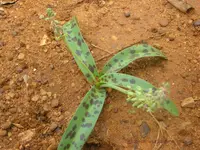
Common African hyacinth, Ledebouria revoluta, is a small bulbous plant grown mainly for its speckled, sometimes purple-tinged leaves. It forms low rosettes from underground bulbs and produces slender spikes of tiny, bell-shaped flowers.
This species is native to southern Africa, where it often grows in rocky, seasonally dry habitats. Its bulb stores water, which makes it quite tolerant of short dry periods and suitable for indoor pots.
The plant stays compact, so it fits well on windowsills or small shelves. Understanding how to care for common African hyacinth is straightforward once you know it prefers bright light, a gritty, fast-draining soil mix, and careful, not constant, watering.

Care Difficulty
Easy Care

Light Preference
Partial Sun

Water Requirements
Low Water

Temperature Preference
Tropical / Frost Sensitive

Hardiness Zone
10–11

Soil Texture
Sandy, Loamy, Organic-rich

Soil pH
Acidic (5.5–6.5), Slightly acidic (6.5–7.0)

Soil Drainage
Well-drained

Fertilization
Minimal (feed rarely)
Scan your plant to receive care tips personalized for your specific plant
Available on iOS and Android
This bulb prefers bright, indirect light with some gentle direct sun each day.
This drought-tolerant bulb prefers drying between waterings rather than constant moisture.
This species prefers warm, frost-free conditions similar to many subtropical bulbs.
This bulb tolerates typical indoor humidity but grows best in slightly dry air.
Soil for Ledebouria revoluta must be fast-draining and airy to protect the bulbs from rot.
This species is well suited to container growing when drainage and pot shape are chosen carefully.
This bulb stores nutrients and only needs light, controlled feeding to stay healthy in containers.
Pruning needs for Ledebouria revoluta are minimal and focus on hygiene rather than shaping.
This bulbous plant prefers to be slightly pot-bound and only needs infrequent repotting.
Propagation of this species is straightforward and usually done by dividing bulbs rather than by seed.
Winter care depends on climate, as this bulb is not fully hardy in colder regions.

Plant Health Check
Not sure what's wrong with your plant? Check your plant's health inside the app.
This species forms small underground bulbs that produce leaves covered with purple or dark green spots, a pattern that helps break up the leaf outline and may provide some camouflage on rocky, mottled ground in its native habitats in southern Africa and India.
L. revoluta is a geophyte, meaning it stores water and nutrients in its bulb and contractile roots, allowing it to survive long dry periods and resprout quickly when rains return.
The narrow leaves often arch and twist slightly as they mature, an adaptation thought to reduce direct sun exposure and water loss in the exposed, stony sites where the species commonly grows.

In some parts of its native range, this species naturally forms dense, clumping colonies in shallow soil pockets over rock, creating miniature bulb lawns that can persist for many years despite grazing and seasonal drought.
Lack of blooms usually comes from insufficient light, overly rich or constantly wet soil, or overcrowded bulbs. Provide a bright, cool, dryish rest in winter, then resume watering and feeding lightly in spring to encourage flowering.
Keep your plants happy and healthy with plant identification, disease detection, and easy care guidance.