creosote bush Care (Larrea tridentata)

Also known as: Greasewood, Chaparral
creosote bush

About creosote bush

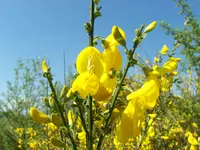
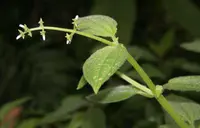
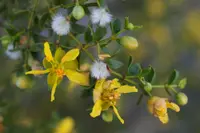
Creosote bush, Larrea tridentata, is a long-lived evergreen shrub native to the hot deserts of the southwestern United States and northern Mexico. It forms rounded, many-branched bushes with small resinous leaves and yellow flowers.

This species dominates vast desert landscapes and is highly adapted to intense sun, heat, and drought. Its leaves produce aromatic oils that reduce water loss and deter many herbivores.

Creosote bush is slow-growing but very hardy in arid conditions, which makes it easier to maintain in dry, sunny sites than in cooler or wetter climates. Understanding how to care for creosote bush starts with providing maximum sun, very well-drained mineral soil, and minimal watering once established.

Main Plant Requirements

Care Difficulty

Moderate Care

Light Preference

Full Sun

Water Requirements

Low Water

Temperature Preference

Warm Climate

Hardiness Zone

8–11

Soil Texture

Sandy, Rocky, Loamy

Soil pH

Neutral (7.0), Slightly alkaline (7.0–7.5)

Soil Drainage

Well-drained

Fertilization

Minimal (feed rarely)

Get Personalized Care Plan

Scan your plant to receive care tips personalized for your specific plant

Available on iOS and Android

How to Care for the creosote bush

This desert shrub thrives in intense, open sun but adapts to slight seasonal variation in light levels.

  • Provide 8–12 hours of direct sun daily; full, unshaded exposure suits creosote bush best in arid landscapes.
  • It tolerates light morning or late-afternoon partial shade, but dense or all-day shade leads to sparse growth and reduced flowering.
  • In cooler months, no special light protection is needed, but in very hot climates reflective hardscape can intensify sun and scorch nearby, less-adapted plants.

This plant is highly drought-adapted and must dry thoroughly between waterings to stay healthy.

  • For in-ground plants, allow soil to dry completely to at least 10–15 cm depth before deep watering, then let it drain freely.
  • In the first growing season, water only when foliage softens or leaves start to dull and curl slightly, then reduce further once established.
  • Persistent damp or slow-draining soil causes root rot; yellowing, dropping leaves often indicate overwatering, while brittle twigs point to prolonged drought stress.

This species is adapted to hot, arid climates but needs protection from sustained hard frost, especially when young.

  • Optimal growth occurs around 75–95°F (24–35°C), with strong heat tolerance if soil is dry and air is low in humidity.
  • Mature plants can survive brief cold down to about 15–20°F (-9 to -6°C), but repeated freezes damage young stems and small plants.
  • In regions with winter below 25°F (-4°C), site Larrea tridentata in the warmest, best-drained microclimate, such as a south-facing slope or near heat-retaining rock.

This desert shrub prefers very dry air and generally does not require humidity management.

This desert species needs very lean, very fast-draining soil to prevent root rot.

  • Use a sandy or gravelly mix with minimal organic matter, such as 60–80% coarse sand or grit blended with a low-organic cactus mix.
  • Ensure extremely sharp drainage; the soil should fully drain within seconds after watering and never stay wet or sticky.
  • Aim for slightly alkaline to strongly alkaline conditions, around pH 7.5–8.5, which match natural desert calcareous soils.
  • Avoid clay-heavy, compacted, or peat-rich substrates, which retain moisture and limit oxygen around the roots of Larrea tridentata.

This species can be grown in containers, but only in conditions that closely mimic its dry, fast-draining desert habitat.

  • Choose a deep, heavy terracotta or concrete pot to keep the root system cool and provide stability against wind for the woody canopy.
  • Fill the pot with a very gritty, rocky mix and leave a top layer of coarse gravel to keep the stem base dry after watering.
  • Place the container where it receives intense sun and heat, since shaded or cool positions keep the mix damp for too long and stress the plant.

This desert shrub is adapted to poor soils and usually needs no fertilizer when grown in the ground.

Larrea tridentata benefits from light, targeted pruning to maintain structure and plant health.

  • Prune in late winter or very early spring before new growth begins.
  • Remove dead, broken, or crossing stems first to improve air flow and reduce disease risk.
  • Shorten overly long branches to refine the natural rounded shape without heavy cutting.
  • Use clean, sharp bypass pruners and make cuts just above a node or side branch.

Transplanting this deep-rooted desert shrub requires careful timing and minimal disturbance.

  • Transplant in late winter or early spring when temperatures are mild and growth is slower.
  • Look for slow growth, frequent wilting, or roots circling a pot as signs a container plant needs more space.
  • Move up only 1 pot size, using a very fast-draining, sandy mix to limit waterlogging stress.
  • Handle roots gently, keep the original soil ball intact, water once to settle soil, then let it dry between waterings.

Reproducing this shrub is possible but often slow and better suited to patient growers.

  • Sow fresh seeds in late winter or early spring in a gritty, fast-draining mix kept warm and lightly moist.
  • Light scarification, such as gently nicking the seed coat, can improve germination rates.
  • Take semi-hardwood cuttings in late spring to summer, use rooting hormone, and provide bright light with low humidity.
  • Maintain temperatures around 70–80°F and avoid overwatering, as excess moisture encourages rot.

This desert native is quite cold hardy in its range and usually needs minimal winter care in the ground.

  • Mature plants tolerate light frosts, but young shrubs benefit from a light gravel or coarse sand mulch around the root zone.
  • Ensure soil drains very well in winter to prevent root rot in wet climates.
  • Move container plants under a bright, sheltered porch or unheated greenhouse in areas with prolonged freezes.

Care Tips

Establishing Deep Roots

During the first 1–2 years, irrigate less often but for longer sessions so water penetrates at least 30–45 cm, encouraging a deep, drought-resilient root system.

Open Canopy Shaping

Lightly thin crowded interior twigs in late winter to maintain an open, airy canopy that improves airflow and reduces risk of fungal spotting after rare rain events.

Gravel Mulch Use

Apply a 2–5 cm layer of coarse gravel or decomposed granite around the root zone instead of organic mulch to moderate soil temperature while keeping stems dry at the base.

Salt And Alkalinity Tolerance

When growing creosote bush in arid or irrigated landscapes, accept slightly saline or alkaline conditions and avoid frequent leaching, which can remove minerals adapted to desert soils.

Controlled Seedling Transplant

Transplant seedlings only once they have a firm woody base and do so into a pre-warmed, very free-draining bed to reduce shock and improve long-term establishment.

Common Pests and Diseases

Armillaria root rot

This disease is caused by soil-borne Armillaria fungi that attack stressed or overwatered shrubs, especially in disturbed desert sites or irrigated landscapes. Symptoms include gradual dieback, reduced vigor, and sometimes white fungal mats under the bark near the root collar.

Solution

Remove and destroy severely affected plants and as much infected root wood as possible, and avoid replanting susceptible woody species in the same spot. Improve drainage, avoid frequent irrigation, and limit mulch or organic debris piled around the base to reduce conditions that favor fungal growth when planning how to take care of creosote bush.

desert mistletoe

This parasitic plant (Phoradendron californicum) attaches to branches and siphons water and nutrients, slowly weakening the host. Symptoms include dense, broom-like clumps of green to grayish stems emerging from branches and gradual branch dieback below the infestation.

Solution

Prune out infected branches at least 30–40 cm below the point of mistletoe attachment, cutting back to a healthy lateral branch or trunk. Dispose of pruned material off-site, and regularly inspect and remove new infestations early to prevent heavy, long-term stress on the shrub.

creosote gall midge

This pest is a tiny fly whose larvae induce rounded or irregular galls on young stems and leaves, altering normal growth. These galls usually cause only minor stress but can distort new shoots and reduce overall vigor when abundant.

Solution

Prune and discard heavily galled stems to physically remove larvae and interrupt their life cycle. Maintain the plant under appropriate low-water desert conditions to minimize stress, and avoid unnecessary fertilization that can produce the tender new growth favored by gall-forming insects.

cerambycid stem borers

These insects are longhorn beetle larvae that tunnel into woody stems, disrupting water flow and weakening branches. Symptoms include small exit holes, frass (sawdust-like material), and occasional branch dieback or breakage.

Solution

Prune and destroy infested branches that show tunneling or exit holes, cutting back to solid, healthy wood. Keep the shrub healthy with correct spacing and low, infrequent irrigation so it can compartmentalize damage, and remove dead or severely stressed wood promptly to reduce borer attraction.

Interesting Facts

Rain smell chemistry

This desert shrub releases volatile oils, including several phenolic compounds, that create the distinctive desert rain smell when wet, a major contributor to the scent often associated with thunderstorms in the American Southwest.

Extreme drought tolerance

It can temporarily drop many of its leaves, drastically reduce water use, and maintain living tissues at very low water potentials, which allows it to survive long multi-year droughts where many other shrubs die.

Clonal ring growth

Individual plants often grow outward in rings through clonal branching from older stems, so a single genetic individual can occupy a broad circular patch of ground over time.

Botan icon

Did you know?

Some creosote bush clones in North American deserts are among the oldest known living plant individuals on Earth, with genetic ages estimated at several thousand years based on ring expansion and radiocarbon dating of inner stems.

FAQs about creosote bush

Lack of blooms is often due to too much water, overly rich soil, or insufficient heat. This desert shrub flowers best in lean, very well-drained soil, full sun, and with pronounced dry periods between any irrigations.

Grow Healthy Plants with Botan Care

Keep your plants happy and healthy with plant identification, disease detection, and easy care guidance.

Botan plant care app — identify plants on mobile

Explore More Plants