Maui chaff flower Care (Achyranthes splendens)

Also known as: Round Chaff Flower, Round-leaf Chaff Flower, Round-leaved Chaff Flower
Maui chaff flower

About Maui chaff flower

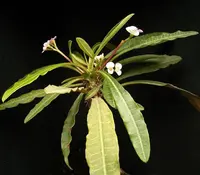
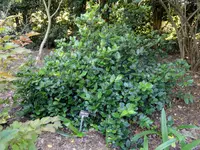
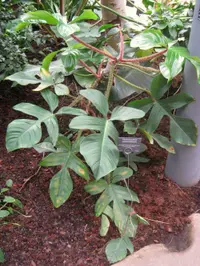
Maui chaff flower (Achyranthes splendens) is a perennial shrub native to dry coastal areas of Hawaii. It typically forms low, bushy clumps with upright, branching stems. Leaves are simple, green, and slightly fleshy, and the plant carries narrow flower spikes that give a fine, textured look rather than showy blooms.

In its natural habitat it grows in sunny, windy, and salty conditions, which makes it quite hardy in similar garden settings. It generally prefers full sun, well-drained soil, and moderate moisture. Because of its toughness and low water needs, it is usually considered an easy plant to manage once established, and gardeners often find it straightforward to care for Maui chaff flower.

Main Plant Requirements

Care Difficulty

Moderate Care

Light Preference

Full Sun

Water Requirements

Moderate Water

Temperature Preference

Tropical / Frost Sensitive

Hardiness Zone

11–12

Soil Texture

Sandy, Loamy, Organic-rich

Soil pH

Acidic (5.5–6.5), Slightly acidic (6.5–7.0)

Soil Drainage

Well-drained

Fertilization

Minimal (feed rarely)

Get Personalized Care Plan

Scan your plant to receive care tips personalized for your specific plant

Available on iOS and Android

How to Care for the Maui chaff flower

This coastal shrub prefers bright, direct light but benefits from protection from the harshest midday sun.

  • Provide 6–8 hours of direct sun daily, with morning sun and light afternoon shade ideal for strong growth and flowering.
  • Maui chaff flower tolerates light partial shade, but stems may elongate and flowering can decrease if it receives under 4–5 hours of sun.
  • In very hot climates, give filtered light during peak afternoon hours to prevent leaf scorch, especially in dry, windy summer conditions.

This species prefers evenly moist, well-drained soil and does not tolerate prolonged waterlogging.

  • Water when the top 3–5 cm of soil feel dry, allowing deeper roots to stay slightly moist without becoming saturated.
  • During hot, windy periods, increase checks for dryness; in cooler or rainy seasons, reduce watering to avoid root rot in Achyranthes splendens.
  • Watch for yellowing, mushy leaves as signs of overwatering and crisp, drooping leaves plus dry soil as signs of underwatering, then adjust frequency.

This plant favors warm, frost-free conditions typical of subtropical and tropical climates.

  • Aim for 70–85°F (21–29°C) for active growth, as sustained warmth supports dense foliage and flowering.
  • Protect from temperatures below 50°F (10°C); light chill slows growth, while exposure near 40°F (4°C) or frost can cause dieback or death.
  • It tolerates short hot spells up to about 90–95°F (32–35°C) if soil moisture is stable, but extended heat with dry soil can stress and stunt plants.

This species tolerates a fairly wide humidity range but grows best in moderate ambient humidity.

  • Aim for 40–60% humidity; typical indoor air is usually sufficient for Maui chaff flower.
  • Dry air is tolerated, but prolonged humidity below 30% can cause leaf edge crisping and slight wilting during heat.
  • Increase humidity locally by grouping plants or placing the pot on a pebble tray with water kept below the pot base.

Achyranthes splendens prefers freely draining, moderately fertile soil that does not stay waterlogged.

  • Use a sandy or loamy mix with open structure, such as 50–60% all-purpose potting mix blended with coarse sand or fine grit.
  • Ensure rapid drainage; water should pass through the profile within seconds, not sit on the surface or collect around roots.
  • Slightly acidic to neutral pH around 6.0–7.0 supports nutrient uptake and reduces micronutrient lockout.
  • Improve aeration and prevent compaction by adding 10–20% perlite or pumice and avoiding heavy clay-based garden soil in containers.

This species is suitable for container growing when the pot is chosen to support its shrubby, spreading habit.

  • Select a broad, stable container so lateral stems do not make the plant top-heavy and prone to tipping in wind.
  • Choose a pot depth that allows a moderately deep root system, roughly matching the mature canopy width for balanced growth.
  • Use a slightly porous material like unglazed terracotta if extra moisture loss is needed in wet climates, or glazed pots in very hot, dry areas to slow evaporation.

Achyranthes splendens grows acceptably in lean soils but responds well to modest, targeted feeding.

  • Use a balanced, slow-release fertilizer (for example 10-10-10) at half strength at the start of the warm growing season.
  • In ground, feed once at spring onset; container plants may benefit from a second light application mid-season.
  • Supplement with a thin layer of compost around the root zone instead of high-dose synthetic products.
  • Stop feeding in late fall and avoid fertilization during winter dormancy to prevent weak, elongated growth.

Pruning helps keep Achyranthes splendens compact, healthy, and flowering well.

  • Carry out main pruning in late winter or early spring before strong new growth begins.
  • Remove dead, diseased, or storm-damaged stems first, then thin crowded shoots to improve light and airflow.
  • Lightly shorten long, straggly branches to maintain a balanced, bushy shape and encourage new flowering growth.
  • Use clean, sharp hand pruners and make angled cuts just above a leaf node to support quick healing.

This species is usually grown in the ground, so focus on careful transplanting rather than frequent repotting.

  • Transplant in late spring or early summer once soil is warm and stable weather is likely.
  • Look for signs such as roots circling the pot, water running off quickly, or slowed growth before moving a container plant.
  • Shift into a hole or pot only 1–2 in wider using well-drained, slightly sandy soil to reduce waterlogging risk.
  • Water thoroughly after planting, provide temporary light shade, and keep soil evenly moist for 1–2 weeks to limit root stress.

New plants are most often produced from semi-ripe cuttings or seeds under warm conditions.

  • Take semi-ripe stem cuttings in late spring to midsummer, 7–10 cm long, from non-flowering shoots.
  • Remove lower leaves, dip the cut end in rooting hormone, and insert into a free-draining mix kept at 70–75°F.
  • Provide bright, indirect light and high humidity until roots develop, usually in several weeks.
  • Sow fresh seed in spring on the surface of a sandy seed mix, barely cover, and maintain lightly moist, warm conditions for germination.

In mild, frost-free climates, Maui chaff flower needs minimal winter care once established outdoors.

  • It is sensitive to hard frost and may suffer damage when temperatures drop near or below freezing.
  • In cooler areas, add a 5–7 cm mulch layer around the root zone in late fall to moderate soil temperature.
  • Grow container plants in warm regions and move indoors or into a greenhouse when frost is forecast, ensuring bright light.

Care Tips

Wind-hardening young plants

Expose young plants to gentle but steady air movement for 7–10 days before planting in a windy site to build sturdier stems and reduce breakage once established outdoors.

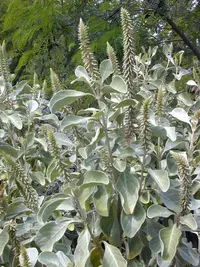
Low, spreading habit

Pinch back only the very soft shoot tips once or twice early in the growing season to encourage a denser, more wind-resistant mound without sacrificing the plant’s natural form.

Salt-spray acclimation

If planting near the coast, start plants a few meters inland or in containers, then gradually move them closer to salt exposure over 2–3 weeks to avoid sudden salt burn on foliage.

Mulch for root stability

Apply a thin, 2–3 cm layer of mineral or fine bark mulch around but not touching the stems to keep surface roots cool, reduce erosion on slopes, and limit weed competition.

Targeted scale monitoring

Inspect stems and leaf nodes monthly for scale insects and wipe suspicious bumps with a cotton pad dipped in dilute insecticidal soap, repeating weekly until new growth is clean when caring for Maui chaff flower.

Common Pests and Diseases

Spider mites

This pest appears in hot, dry conditions and feeds on leaf sap, causing fine stippling and eventual leaf bronzing on Maui chaff flower shrubs. Symptoms include delicate webbing on stems and the undersides of leaves, especially on stressed plants in coastal or urban landscapes.

Solution

Rinse foliage thoroughly with a strong but controlled stream of water, focusing on leaf undersides, and repeat every few days until activity drops. For persistent infestations, apply insecticidal soap or a neem oil spray in the early morning or evening, and reduce plant stress by maintaining regular irrigation without waterlogging the soil.

Scale insects

These insects attach firmly to stems and leaf veins, sucking sap and weakening growth, which is noticeable on ornamental plantings of this species. Symptoms include small, dome-shaped or flattened bumps, sticky honeydew, and sometimes sooty mold on the leaves and nearby surfaces.

Solution

Prune out heavily infested stems and dispose of them in the trash, then wipe remaining scale with a cotton pad dipped in diluted alcohol or horticultural oil. Follow with a targeted application of horticultural oil, ensuring thorough coverage of stems and leaf undersides, and monitor for crawler stages to repeat treatment if needed.

Aphids

These insects cluster on tender new shoots and inflorescences, particularly during flushes of soft growth in warm seasons. Symptoms include curling or distorted young leaves, sticky honeydew, and increased ant activity on and around the plant.

Solution

Spray affected shoots with a firm stream of water to dislodge colonies, repeating as needed during periods of new growth. If populations remain high, use insecticidal soap or neem oil, coating growing tips and the undersides of leaves, and manage nearby ant trails so natural predators can access the aphids.

Leaf spot

This disease causes small, water-soaked or tan to brown lesions on leaves, which can coalesce under humid or rainy conditions common in tropical and subtropical plantings. Symptoms include premature yellowing and dropping of affected foliage, especially on dense, poorly ventilated shrubs.

Solution

Remove and discard infected leaves from the plant and ground to reduce inoculum, and avoid wetting foliage when watering. Improve airflow by thinning crowded stems, and in persistent or severe cases, apply a copper- or chlorothalonil-based fungicide labeled for ornamental shrubs, following local regulations and label directions.

Powdery mildew

This disease produces a white to gray, powdery coating on the upper leaf surfaces and young stems, more likely when nights are cool and days are warm with moderate humidity. Symptoms include distorted new growth and reduced vigor, which can affect overall Achyranthes splendens plant care in ornamental beds or hedges.

Solution

Increase light and air movement around the plant by careful pruning of overcrowded stems and by avoiding tight spacing. Remove heavily infected shoots and use a sulfur, potassium bicarbonate, or horticultural oil product labeled for powdery mildew, applying in mild temperatures and ensuring good coverage without combining sulfur and oil products close together in time.

Interesting Facts

Hawaiian dry-forest specialist

This species is naturally restricted to dry lowland forests and shrublands on the Hawaiian islands of Oahu and Kauai, where it grows on rocky, often disturbed volcanic substrates rather than in lush rainforests.

Distinctive red inflorescences

The plant produces slender, upright flower spikes that turn a vivid red, giving rise to the common name Maui chaff flower and making it visually distinct from many other native Hawaiian dry-forest shrubs.

Role in native plant communities

It occurs with other dry-forest natives such as lama (Diospyros sandwicensis) and wiliwili (Erythrina sandwicensis), contributing to habitat structure and supporting native invertebrates in these fragmented ecosystems.

Botan icon

Did you know?

Achyranthes splendens is federally listed as an endangered species in the United States because its natural Hawaiian dry-forest habitat has been heavily reduced and fragmented by urbanization, invasive species, and wildfire, leaving only scattered wild populations that are the focus of active conservation and restoration programs.

FAQs about Maui chaff flower

This species performs best outdoors in warm, frost-free climates where it receives consistent air movement and space. Indoors it tends to grow weak and prone to pests, so Maui chaff flower indoor care is generally not recommended long term.

Grow Healthy Plants with Botan Care

Keep your plants happy and healthy with plant identification, disease detection, and easy care guidance.

Botan plant care app — identify plants on mobile

Explore More Plants