sandalwood Care (Santalum album)

Also known as: Indian Sandalwood
sandalwood

About sandalwood

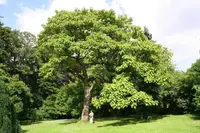
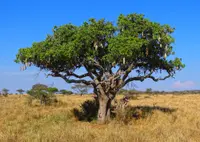
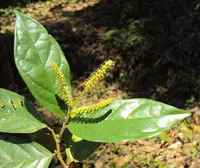
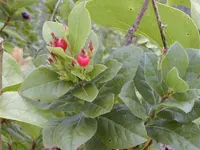
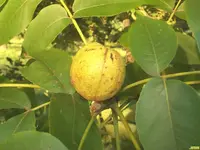
Santalum album, commonly called Indian sandalwood, is a slow-growing evergreen tree valued for its fragrant heartwood and essential oil. It remains modest in size under cultivation, with smooth gray-brown bark and neat, narrow leaves.

This species is native to dry tropical regions of India and nearby areas, where it grows in open woodland. It is a partial root parasite, meaning its roots tap into neighboring plants for water and nutrients, which makes it more complex to grow than typical house or garden trees. In cultivation, it prefers warm conditions, bright light, and well-drained, slightly dry soil, so learning how to care for sandalwood benefits long-term success.

Main Plant Requirements

Care Difficulty

Hard Care

Light Preference

Full Sun

Water Requirements

Low Water

Temperature Preference

Tropical / Frost Sensitive

Hardiness Zone

10–12

Soil Texture

Sandy, Loamy, Rocky

Soil pH

Slightly acidic (6.5–7.0), Neutral (7.0)

Soil Drainage

Well-drained

Fertilization

Minimal (feed rarely)

Get Personalized Care Plan

Scan your plant to receive care tips personalized for your specific plant

Available on iOS and Android

How to Care for the sandalwood

This semi-parasitic tree needs strong light but suffers in harsh, prolonged exposure in hot climates.

  • Provide 6–8 hours of direct sun daily, ideally with morning sun and light afternoon shade in hot, dry regions.
  • Tolerates bright, open partial shade, but growth and heartwood development slow if light falls below about 4–5 hours of direct sun.
  • In the first 1–2 years, protect young sandalwood from intense midday summer sun with temporary shade cloth or taller nurse plants.

This species prefers evenly moist, well-drained soil once established, with careful management during early growth.

  • For young trees, water when the top 3–5 cm of soil feels dry, then soak deeply so water reaches 20–30 cm; allow partial drying between soakings.
  • Reduce watering frequency in cool or rainy seasons and on heavier soils to limit root rot; improve drainage with coarse sand or gravel if water lingers.
  • Signs of overwatering include yellowing leaves, soft stems, and a sour soil smell; curling, dull leaves and dry, hard soil indicate underwatering in Santalum album.

This tropical tree favors warm, frost-free conditions and reacts poorly to sharp temperature drops.

  • Aim for 70–90°F (21–32°C) during active growth; stable warmth supports steady root and haustorium development on host plants.
  • Avoid temperatures below 50°F (10°C); growth slows sharply around this level and tissue damage starts near 40°F (4°C).
  • The tree does not tolerate frost; protect from freezing winds and sudden cold snaps, and in very hot areas above 100°F (38°C) provide some afternoon shade and mulch to moderate soil heat.

This species tolerates fairly dry air but grows best in moderately humid conditions.

  • Aim for 40–60% humidity, similar to warm, dry-tropical air rather than very moist jungle conditions.
  • Leaves curling inward, browning at tips, or slowed shoot growth can indicate humidity stress combined with heat.
  • Increase humidity locally by grouping plants, using a nearby pebble tray, or lightly misting foliage during very hot, dry periods.

Santalum album prefers loose, fast-draining mineral soils that never stay waterlogged.

  • Use a sandy or sandy-loam mix with 50–70% coarse sand or fine grit, plus a modest amount of compost for nutrients.
  • Maintain slightly acidic to neutral pH around 6.0–7.5, avoiding highly acidic or calcareous (very lime-rich) substrates.
  • Improve aeration by blending in coarse sand, pumice, or perlite so water runs through easily and roots receive ample oxygen.
  • Avoid heavy clay, compacted ground, or mixes high in peat that hold water and encourage root rot.

This species can be grown in containers for the first years, but needs careful root space and stability management.

  • Choose a deep, heavy container so the developing taproot has vertical space and the plant stays stable in wind.
  • Use a potting mix that drains quickly through large bottom holes so no perched water layer forms around the roots.
  • Position the container where it will not overheat on all sides, such as against a wall, to prevent root-zone temperature spikes.

This hemiparasitic tree benefits from light, careful feeding rather than heavy fertilization.

  • Use a mild, balanced NPK fertilizer at 1/2 strength, or well-rotted compost, during active growth in spring–summer.
  • Feed every 6–8 weeks only if growth is weak or leaves pale, as sandalwood is adapted to low-nutrient soils.
  • Apply fertilizer to the soil around the root zone of both Santalum album and its host plants, avoiding contact with stems.
  • Stop feeding in fall–winter to allow natural slowing of growth and reduce salt buildup in the potting mix or soil.

Santalum album responds well to light structural pruning and cleanup to maintain a healthy canopy.

  • Carry out main pruning in late winter or early spring before vigorous new growth begins.
  • Remove dead, diseased, crossing, or inward-growing branches first to improve air flow and light penetration.
  • Shorten overly long shoots to encourage a balanced, bushier crown and safer, more manageable tree size.
  • Use clean, sharp bypass pruners or a small pruning saw, making smooth cuts just outside the branch collar.

Young trees in containers or nursery bags need careful transplanting to establish stable root systems.

  • Transplant when roots circle the pot, emerge from drainage holes, or growth slows despite adequate light and water.
  • Aim for late spring or early summer, when soil is warm and Santalum album can recover quickly.
  • Move plants every 2–3 years into a only slightly larger container, or into the ground near suitable host species.
  • Keep the root ball as intact as possible, water thoroughly after planting, and shade lightly for 7–10 days to limit stress.

Raising new Santalum album plants is usually done from seed under warm, controlled conditions.

  • Sow fresh, cleaned seeds in late spring–summer in a free-draining, sandy mix kept at 75–85°F.
  • Lightly cover seeds, maintain gentle moisture, and expect slow, uneven germination over several weeks or more.
  • Introduce compatible host seedlings nearby early, since sandalwood is hemiparasitic and benefits from shared roots.
  • Semi-hardwood cuttings are possible but often root poorly; use rooting hormone, warmth, and high humidity if attempted.

This tropical tree is frost-sensitive and needs protection in climates with cool or freezing winters.

  • In USDA zones below 10, grow Santalum album in containers that can be moved indoors before nights drop below 40°F.
  • Provide a bright, cool indoor spot with minimal temperature swings and reduced watering during winter.
  • For in-ground trees in mild areas, apply a 5–8 cm mulch layer around the root zone, keeping it away from the trunk.
  • Cover young outdoor plants during rare light frosts using breathable fabric to limit leaf and twig damage.

Care Tips

Host root planning

Plant 2–3 compatible host species (such as pigeon pea, Casuarina, or suitable native legumes) within 30–150 cm of young sandalwood so its roots can attach and access extra water and nutrients as it matures.

Root zone protection

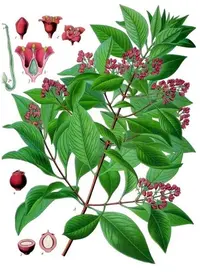
Keep a permanent mulch ring 5–8 cm deep but pulled 5–10 cm back from the trunk to protect the shallow feeder roots and haustoria while reducing soil temperature swings and moisture loss.

Early wind training

Install a sturdy stake on the windward side for the first 2–3 years and tie the main stem with soft, flexible ties to encourage a straight, stable trunk in exposed sites.

Host renewal strategy

Stagger host plant ages by occasional removal and replanting so that there is always a mix of young, actively growing hosts and older support plants around the sandalwood root zone.

Site hygiene routine

Remove dropped leaves, pruned twigs, and host plant debris from around the base every few weeks to reduce fungal disease pressure and boring insect habitat when growing sandalwood.

Common Pests and Diseases

Spike worm

This pest is the larva of a moth that bores into young sandalwood shoots and stems, causing wilting and dieback of tender branches.

Solution

Prune and destroy infested shoots as soon as boring holes and frass are seen, then encourage natural predators by maintaining plant diversity nearby and, if needed, apply a targeted Bacillus thuringiensis (Bt) spray to young larvae on new growth, following label directions.

Heartwood borer

This pest tunnels into older stems and trunk wood, weakening the plant and reducing the quality and yield of fragrant heartwood.

Solution

Inspect stems regularly for entry holes and sawdust-like frass, remove and destroy heavily infested branches, keep trees well watered and unstressed, and in high-risk areas use trunk wrapping or physical barriers on young stems during peak borer flight periods to reduce egg laying.

Leaf miner

These insects feed between the upper and lower leaf surfaces, creating pale, winding trails that reduce photosynthesis and can lead to premature leaf drop on young trees.

Solution

Remove and dispose of heavily mined leaves, avoid excessive nitrogen fertilization that encourages tender growth, and use neem oil or another labeled horticultural oil on young foliage to interrupt the larval stage while also monitoring neighboring host plants.

Leaf blight

This disease causes brown, expanding spots on leaves that may coalesce into large blighted areas, leading to partial defoliation in humid or crowded conditions.

Solution

Improve air circulation by spacing plants properly and pruning dense inner branches, remove and discard infected leaves, avoid overhead watering, and in persistent cases use a copper-based fungicide according to label instructions, especially at the start of wet periods to support Santalum album plant care.

Sudden wilt

Symptoms include rapid yellowing, leaf drop, and collapse of young sandalwood, often linked to soilborne pathogens and stress from poor host-root connections in this semi-parasitic species.

Solution

Ensure the presence of suitable, healthy host plants with good root contact, improve drainage and avoid waterlogging, solarize or rest heavily infested beds before replanting, and remove and destroy severely affected plants to limit pathogen buildup in the soil.

Interesting Facts

Fragrant heartwood chemistry

The essential oil in its heartwood is dominated by the sesquiterpenes alpha- and beta-santalol, compounds that give a stable, long-lasting woody aroma prized in perfumery and incense.

Partial root hemiparasite

This species forms specialized root connections called haustoria to nearby host plants, drawing water and some nutrients while still performing photosynthesis on its own leaves.

Slow-maturing aromatic wood

High-quality, oil-rich heartwood typically develops only in older trees, which can take several decades to reach the size and maturity needed for commercial harvesting.

Botan icon

Did you know?

Natural populations of Santalum album in parts of India have been heavily depleted by overharvesting and illegal logging, leading to strong legal protections and conservation programs focused on sustainable cultivation and genetic resource preservation.

FAQs about sandalwood

Yes. Seeds need fresh, ripe fruits, thorough cleaning, and a warm, well-drained seed bed. Germination is often slow and uneven. Young seedlings must be paired with a suitable host plant early, as this species is partially root-parasitic.

Grow Healthy Plants with Botan Care

Keep your plants happy and healthy with plant identification, disease detection, and easy care guidance.

Botan plant care app — identify plants on mobile

Explore More Plants