Japanese mugwort Care (Artemisia princeps)

Japanese mugwort

About Japanese mugwort

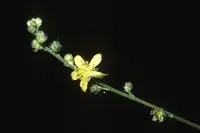
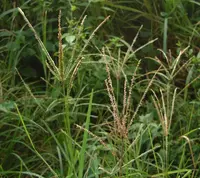
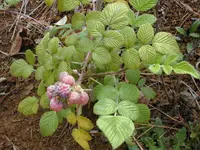
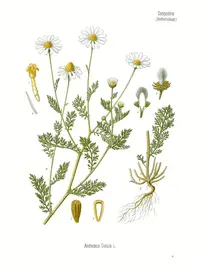
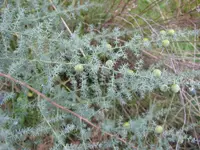
Japanese mugwort, Artemisia princeps, is a hardy perennial herb in the daisy family, valued in East Asia for culinary, medicinal, and ornamental uses. It forms dense clumps of upright stems with deeply lobed, aromatic leaves that are green on top and silvery beneath.

This species typically grows in fields, roadsides, and open slopes in East Asia, especially Japan, Korea, and China. It spreads by rhizomes, which makes it persistent and sometimes invasive in mild climates.

The plant tolerates poor soil, wind, and moderate drought, so it is generally easy to grow if its spreading habit is controlled. To care for Japanese mugwort, provide full sun to light shade and well-drained soil with moderate moisture.

Main Plant Requirements

Care Difficulty

Easy Care

Light Preference

Full Sun

Water Requirements

Low Water

Temperature Preference

Cold Hardy

Hardiness Zone

4–9

Soil Texture

Sandy, Loamy, Rocky

Soil pH

Slightly acidic (6.5–7.0), Slightly alkaline (7.0–7.5)

Soil Drainage

Well-drained

Fertilization

Minimal (feed rarely)

Get Personalized Care Plan

Scan your plant to receive care tips personalized for your specific plant

Available on iOS and Android

How to Care for the Japanese mugwort

This sun-loving herb grows best with strong light but benefits from some daily shade in hot climates.

  • Provide 6–8 hours of direct sun, ideally with morning sun and light afternoon shade, especially in zones with intense summer heat.
  • Plant Japanese mugwort where it still receives 3–4 hours of sun if partial shade is unavoidable; expect looser growth in lower light.
  • Watch for scorched, bleached leaves in full, all-day sun and weak, leggy stems in too much shade, then adjust exposure seasonally.

This species prefers slightly dry conditions and is sensitive to waterlogged soil.

  • Allow the top 3–5 cm of soil to dry before watering; in well-drained ground this often means waiting until foliage looks just slightly less perky, not wilted.
  • In spring and early summer, water a bit more often as Artemisia princeps puts on new growth; reduce frequency in late summer and during cool, wet periods.
  • Use sharply drained, gritty soil; yellowing, limp stems and a sour smell suggest overwatering, while crispy leaf tips and drooping that recovers after rain suggest underwatering.

This hardy perennial tolerates a wide temperature range but grows fastest in mild conditions.

  • Optimal growth occurs around 65–75°F (18–24°C), with steady shoot and leaf production in these temperatures.
  • Mature plants usually survive down to about 0°F (−18°C) in the ground, dying back above soil while roots overwinter and resprout in spring.
  • Heat up to about 90–95°F (32–35°C) is tolerated if soil is not waterlogged; in extreme heat, expect slowed growth and consider light afternoon shade to reduce stress.

This species prefers relatively dry air and usually does not need special humidity management indoors or outdoors.

  • Target 30–50% humidity, which matches most heated or air-conditioned homes and many outdoor conditions.
  • Tolerates dry air well; leaf tips browning with otherwise adequate watering usually indicates another problem, not low humidity.
  • If foliage wilts or scorches in very hot, dry, windy spots, shield Japanese mugwort with neighboring plants or a low windbreak rather than using humidifiers.

Artemisia princeps grows best in lean, well-aerated mineral soils that drain quickly and never stay waterlogged.

  • Use a sandy or gritty loam with low to moderate organic matter; heavy compost layers encourage floppy, lush growth and reduce drought tolerance.
  • Aim for slightly acidic to neutral pH around 6.0–7.0; avoid strongly acidic beds unless amended with garden lime following label rates.
  • For containers or raised beds, mix roughly 50% standard potting mix with 30% coarse sand and 20% perlite to improve drainage and root aeration.
  • Avoid compacted clay or sites where water pools after rain; elevate the planting area or create a low mound to keep the root zone drier.

This species is suitable for containers, especially where its spreading habit needs control.

  • Choose a wide, at least medium-depth pot so rhizomes have lateral space while remaining confined, reducing the risk of invasive spread into beds.
  • Use a heavier material such as clay or thick-walled resin to keep tall, top-heavy stems stable in wind and to prevent tipping.
  • Fill the pot with a fast-draining, gritty mix and position it where excess runoff cannot re-enter the container saucer, preventing chronic wet roots during rain.

Artemisia princeps prefers lean soil and usually needs only light feeding in cultivation.

  • Use a balanced, diluted liquid fertilizer (around 1/4 strength) or a light top-dress of compost in spring as growth resumes.
  • Feed outdoor plants once at the start of the growing season; container plants can receive a light dose every 6–8 weeks.
  • Avoid high-nitrogen products, which cause weak, floppy growth and reduce aroma and vigor.
  • Stop feeding in late summer so growth hardens off naturally before winter dormancy.

Pruning Artemisia princeps helps maintain a compact, healthy shape and supports vigorous new growth.

  • Best time for structural pruning is late winter or very early spring before new shoots elongate.
  • Remove dead, damaged, or crossing stems with clean, sharp hand pruners to improve air flow and reduce disease risk.
  • Lightly shear or pinch back tips after flowering to limit height and keep a dense, bushy habit.
  • Cut back excessively woody or leggy stems in stages over 1–2 seasons rather than all at once.

This species is more often grown in the ground, but container plants or dense clumps benefit from occasional transplanting.

  • Look for roots circling the container drainage holes, soil drying very quickly, or reduced vigor as signs it needs a larger space.
  • Transplant or divide Artemisia princeps in early spring or early fall, when temperatures are mild and soil is workable.
  • Expect to move or divide clumps every 2–3 years to control spread and refresh crowded root systems.
  • Water thoroughly before and after transplanting, keep roots shaded, and trim back top growth slightly to reduce stress.

Artemisia princeps is commonly propagated by division, stem cuttings, and sometimes seed for larger batches.

  • Divide established clumps in early spring or early fall, replanting firm, rooted sections at the same depth.
  • Take 7–10 cm semi-ripe stem cuttings in late spring to summer and root them in a well-drained, moist, sandy mix.
  • Provide bright, indirect light and moderate humidity for cuttings, keeping the medium just barely moist until roots form.
  • Sow fresh seed on the surface of a free-draining mix, keep at 65–70°F, and do not bury seeds deeply.

In most temperate climates this plant is cold hardy and needs minimal winter attention outdoors.

  • Artemisia princeps tolerates frost and light freezes once established, especially in well-drained soil.
  • Apply a thin mulch layer around the root zone in late fall to moderate soil temperature and prevent heaving.
  • Allow top growth to die back naturally, then trim dead stems in late winter or early spring as new shoots emerge.
  • For containers, move pots to a sheltered, unheated area and avoid waterlogged soil during prolonged cold.

Care Tips

Control Spreading Rhizomes

Install a 20–30 cm deep root barrier or grow in large containers if you want to limit its spread, since underground rhizomes can quickly invade nearby beds and lawns.

Time Harvests Correctly

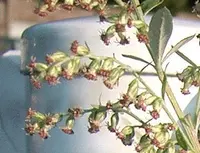
Harvest young shoots and leaves just before flowering for the best flavor and aroma, cutting in the cool part of the day and leaving at least one-third of the foliage to maintain plant vigor.

Renew Plants Regularly

Divide and replant clumps every 2–3 years in early spring to prevent woody, sparse growth and to keep stands dense and productive.

Use Staggered Cutbacks

Shear back only part of a patch at a time, leaving untouched sections to continue photosynthesis, then rotate cut areas over several weeks to support continuous regrowth when growing Japanese mugwort.

Encourage Bushy Growth

Pinch or lightly tip-prune the top 5–10 cm of fast-growing stems in late spring to encourage branching, resulting in a shorter, fuller plant that is easier to manage and harvest.

Common Pests and Diseases

Aphids

This pest feeds on young shoots and undersides of leaves, causing curling, distortion, and sticky honeydew that can attract sooty mold. Symptoms include stunted growth and clusters of soft-bodied insects at stem tips.

Solution

Wash colonies off stems and leaves with a firm stream of water, then repeat every few days until numbers drop. For heavier infestations, apply insecticidal soap or a neem oil spray, ensuring thorough coverage of the undersides of leaves while improving airflow and avoiding excess nitrogen fertilization that encourages soft growth.

Leaf miners

These insects create pale, winding tunnels inside the leaves, which may eventually brown and dry along the mined areas. Symptoms include serpentine trails that are visible when leaves are held up to the light.

Solution

Remove and discard mined leaves as soon as damage is seen to break the life cycle. For persistent problems, use sticky traps to monitor adults and apply a targeted systemic insecticide or spinosad-based product according to label directions on nearby foliage rather than on heavily damaged leaves.

Powdery mildew

This disease produces a white to gray powdery film on upper leaf surfaces, which can lead to yellowing and reduced vigor. Symptoms include patchy, dusty spots that expand in humid but not overly wet conditions.

Solution

Increase spacing and airflow, avoid wetting foliage when watering, and remove heavily infected leaves. Apply a sulfur, potassium bicarbonate, or neem oil fungicide as a preventive spray at the first sign of infection, repeating as directed until new growth remains clean as part of ongoing Artemisia princeps plant care.

Rust

This disease causes small yellow spots on upper leaf surfaces and orange to brown pustules on the undersides. Symptoms include premature leaf drop and a general decline in ornamental quality if left unmanaged.

Solution

Prune and discard affected leaves and any fallen debris to reduce spore spread, and avoid overhead watering. In recurring cases, apply a copper-based or other labeled rust fungicide, focusing on young foliage and ensuring good air circulation around the plant.

Spider mites

This pest thrives in hot, dry conditions, causing tiny yellow stippling on leaves and fine webbing between stems and foliage. Symptoms include dull, speckled leaves that may dry and drop if populations become high.

Solution

Rinse foliage thoroughly with water, including leaf undersides, and repeat regularly to physically remove mites. Increase humidity slightly around the plant, isolate heavily infested specimens, and use horticultural oil or insecticidal soap on both sides of the leaves, applied in several rounds to catch successive mite generations.

Interesting Facts

Culinary yomogi greens

In Japan, the young leaves of this species, known as yomogi, are a traditional spring vegetable used fresh or blanched in rice cakes such as kusa mochi and in tempura for their herbal, slightly bitter flavor.

Specialist insect relationships

The plant serves as a key larval food source for several East Asian moths and butterflies, including some tiger moth species, which have evolved to tolerate and sometimes sequester its bitter defensive compounds.

Adapted to disturbed soils

This species often colonizes roadsides, riverbanks, and vacant lots in East Asia, spreading through creeping rhizomes and forming dense patches that stabilize loose or disturbed soils.

Botan icon

Did you know?

Dried and aged leaves of this species are the primary source of traditional Japanese moxa, a refined fluffy material burned close to the skin in moxibustion, which is used in East Asian therapeutic practices and has been studied for its combustion properties and heat profile rather than for the smoke itself.

FAQs about Japanese mugwort

This species spreads strongly by underground rhizomes and self-seeding, so it can become aggressive in open soil. Use root barriers, deep edging, or containers, and remove unwanted shoots regularly to keep it under control.

Grow Healthy Plants with Botan Care

Keep your plants happy and healthy with plant identification, disease detection, and easy care guidance.

Botan plant care app — identify plants on mobile

Explore More Plants