yellow foxtail Care (Setaria pumila)

Also known as: cattail grass, pale pigeon grass, yellow bristle-grass
yellow foxtail

About yellow foxtail

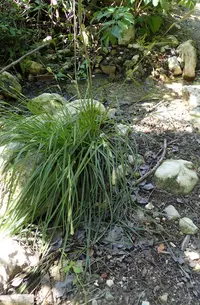
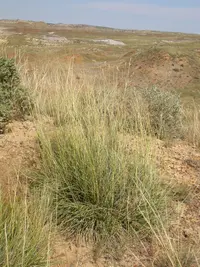
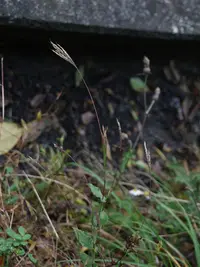
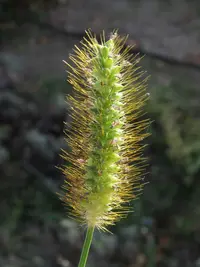
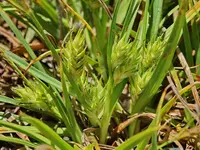
Yellow foxtail (Setaria pumila) is an annual grass commonly found in lawns, roadsides, and disturbed fields. It forms upright clumps with bristly, bottlebrush-like seed heads that turn golden as they mature. In many regions it behaves as a summer weed, spreading quickly by seed and tolerating heat, poor soils, and light foot traffic. Its shallow root system and fast growth make it competitive but also relatively easy to pull when young. Gardeners who care for yellow foxtail as a forage or cover grass usually grow it in full sun with moderately moist, well-drained soil, although it adapts to a wide range of conditions.

Main Plant Requirements

Care Difficulty

Easy Care

Light Preference

Full Sun

Water Requirements

Moderate Water

Temperature Preference

Warm Climate

Hardiness Zone

5–9

Soil Texture

Sandy, Loamy, Silty

Soil pH

Slightly acidic (6.5–7.0), Neutral (7.0)

Soil Drainage

Well-drained

Fertilization

Minimal (feed rarely)

Get Personalized Care Plan

Scan your plant to receive care tips personalized for your specific plant

Available on iOS and Android

How to Care for the yellow foxtail

This warm-season grass thrives in full sun but accepts some light shade without major loss of vigor.

  • Provide 6–8 hours of direct sun daily; morning sun with light afternoon shade suits hot summer regions best.
  • The plant tolerates open, unshaded sites; yellow foxtail can also grow in very light dappled shade, but stems may elongate and produce fewer seed heads.
  • Too little sun leads to weak, floppy growth, while extreme, reflected afternoon sun on dry soil can scorch leaves, so combine strong light with consistent soil moisture.

This annual grass prefers moderately moist, well-drained soil and copes better with brief dryness than standing water.

  • In the field, allow the top 2–5 cm of soil to dry between rains or irrigations; use a trowel or finger to check below the surface rather than following a fixed schedule.
  • Increase water during active growth and hot, windy weather, but ensure free drainage; soil that stays saturated for days promotes root rot and stunted Setaria pumila plants.
  • Underwatering shows as pale, curling leaves and slow growth, while overwatering produces yellowing, soft foliage and a sour smell from waterlogged soil.

This warm-season annual grass grows best in consistently warm conditions and is very sensitive to frost.

  • Optimal growth occurs around 70–90°F (21–32°C); germination and early development slow noticeably below 60°F (16°C).
  • Plants are damaged or killed by frost; avoid sowing until night temperatures remain above 50°F (10°C) and expect the stand to die back after the first hard frost.
  • Once established, it tolerates brief heat up to about 95°F (35°C) if soil moisture is adequate, but prolonged heat with drought stress reduces tillering and seed production.

This grass handles a wide humidity range and rarely needs special humidity management.

  • Performs well in 30–60% humidity, matching most outdoor and indoor ambient conditions.
  • Tolerates dry air without issue as long as soil moisture is maintained and roots do not dry out completely.
  • Humidity stress is uncommon; if leaf tips brown, check for drought or salt buildup rather than low humidity, and adjust watering.

Setaria pumila grows best in loose, draining soil that does not stay waterlogged.

  • Use a sandy or loamy mix with moderate organic matter so roots receive both moisture and air movement.
  • Aim for pH 6.0–7.5; most garden soils and general-purpose mixes fall in this range without adjustment.
  • For pots, blend approximately 60% all-purpose potting mix with 40% coarse sand or perlite to improve drainage and aeration.
  • Avoid compacted clay, heavy peat-based mixes without grit, or any site where water pools for more than a few hours after rain.

This species is suitable for containers, especially for seasonal or decorative plantings.

  • Choose a wide, low container so the spreading root system and tufts remain stable and do not tip the pot in wind.
  • Use a potting mix that sheds excess water within minutes and never allow runoff to sit in outer sleeves or saucers.
  • In hot sites, select thicker-walled or clay pots to reduce rapid drying and prevent stress during short dry spells.

Setaria pumila is a tough grass that usually copes with poor soils but responds to light feeding in managed plantings.

  • Use a balanced NPK granular fertilizer or slow-release product at half strength for established clumps in spring.
  • Apply 1 light feeding every 6–8 weeks during the active growing season if soil is very poor or plants are stressed.
  • Incorporate a thin layer of compost around the base instead of heavy synthetic feeding when possible.
  • Stop feeding in late summer and avoid fertilizing in winter dormancy to prevent weak, frost-sensitive growth.

Setaria pumila benefits from simple, seasonal cleanup rather than intensive shaping.

  • Cut back dry or broken stems at the base in late winter or very early spring before new growth starts.
  • Remove dead, diseased, or badly damaged foliage during the season using clean hand shears or scissors.
  • Thin out crowded or lodging stems to improve air movement and maintain a neat, upright clump.
  • Avoid cutting into fresh, green growth midseason unless removing clearly damaged or pest-affected parts.

This grass is usually grown in the ground, so focus on careful transplanting of Setaria pumila rather than frequent repotting.

  • Transplant in spring after frost when soil is warming and plants are starting active growth.
  • Move clumps if growth is weak, overcrowded, or if plants have outgrown their space over 2–3 years.
  • Lift with a spade, keeping a firm soil ball around the roots to limit disturbance and moisture loss.
  • Replant at the original depth, water thoroughly, and keep soil evenly moist for 1–2 weeks to reduce transplant shock.

Setaria pumila is most often propagated by seed, with division useful for maintaining chosen clumps.

  • Collect mature seeds from drying seed heads in late summer to early autumn.
  • Sow seeds on the soil surface or barely covered in spring, keeping the mix evenly moist and warm, around 65–75°F.
  • Provide full sun and free-draining soil; avoid waterlogging, which reduces germination and seedling survival.
  • For quick clump increase, divide healthy plants in spring, replanting sections promptly and watering well.

In most temperate climates Setaria pumila is an annual or short-lived grass that needs minimal winter care.

  • Allow seed heads to mature and drop if self-sowing is desired for the next season.
  • In colder regions, remove dead foliage after the first hard frosts to reduce disease and tidy beds.
  • Container-grown plants can be discarded after seed collection or overwintered frost-free if experimenting with regrowth.

Care Tips

Timely seed removal

Cut back seed heads before they fully mature if you want to limit self-seeding and prevent the plant from spreading aggressively into nearby beds or lawns.

Wind-resistant spacing

In open, windy sites, plant in small clumps rather than single, isolated plants so stems support each other and are less likely to lodge or bend over after heavy rain.

Use as nurse crop

Sow as a temporary nurse grass around slower-establishing ornamentals or perennials, then remove plants before they shed viable seed to gain erosion control without long-term invasion.

Targeted mowing schedule

In managed areas like orchard strips or pathways, mow when seed heads first appear to reduce reseeding while still keeping some foliage for ground cover and soil protection.

Wildlife-conscious management

If caring for yellow foxtail in a wildlife-friendly area, leave a limited patch of mature seed heads at the margin of the plot to provide food for birds while controlling spread in the main growing area.

Everything About yellow foxtail

Common Pests and Diseases

Smut

This disease causes black, powdery spore masses to form in or around the seed heads, often distorting the foxtail-like panicles. Symptoms include reduced seed production and a dirty, sooty appearance on affected parts.

Solution

Remove and destroy infected seed heads before spores spread, and avoid saving seed from contaminated stands. Use crop rotation with non-grass species, mow before flowering to reduce inoculum, and maintain good field sanitation to limit future infections.

Leaf spot

This disease produces small, tan to brown lesions on leaves that can merge into larger dead patches under humid conditions. Symptoms include a general thinning of foliage and premature leaf death, especially on lower leaves.

Solution

Improve air movement by avoiding overly dense stands and reducing heavy overhead irrigation. Remove and discard heavily affected plant material, and if used in an agricultural setting, consider rotating with non-grass crops and avoiding prolonged leaf wetness to limit further spread.

Grass aphids

These insects feed on sap from leaves and stems, causing yellowing, curling, and a general decline in vigor, especially on young plants. This pest also excretes sticky honeydew that can lead to sooty mold on foliage.

Solution

For small patches, dislodge aphids with a firm stream of water and encourage natural predators such as lady beetles by minimizing broad-spectrum insecticide use nearby. In larger or production settings, use targeted insecticidal soaps or horticultural oils directed at leaf undersides, repeating as needed while monitoring population levels.

Armyworms

These caterpillars chew elongated or ragged holes in leaves and can strip foliage rapidly when present in large numbers. Symptoms include defoliated patches and visible larvae feeding at leaf margins or near the soil surface.

Solution

Hand-pick and remove visible larvae on smaller plantings and reduce nearby weedy grasses that serve as alternate hosts. In more extensive stands, spot-treat active feeding areas with a biological control such as Bacillus thuringiensis (Bt) in the evening, following label directions and monitoring for renewed damage.

Rust

This disease causes small orange to brown pustules on leaf surfaces that release powdery spores when touched. Symptoms include yellowing around the spots, reduced photosynthesis, and a general decline in plant vigor in humid or crowded conditions.

Solution

Mow or trim affected foliage to remove heavily infected leaves and dispose of clippings away from healthy stands. Promote drier leaf conditions through proper spacing, avoid overhead watering where possible, and use crop rotation to break the disease cycle, especially when growing yellow foxtail repeatedly in the same area.

Interesting Facts

Global weed of cereals

This grass is a major annual weed in maize, sorghum, and small-grain cereal fields worldwide, especially in warm and temperate regions, where its rapid growth and seed production compete strongly with crops.

Distinctive golden bristles

The characteristic yellowish bristles on the flower spikelets give the species its common name yellow foxtail and help distinguish it from closely related foxtail grasses with green or purple-tinged inflorescences.

Seed dormancy strategy

Its seeds can remain dormant in the soil seed bank for multiple years and germinate at different times, which makes control in agricultural systems difficult and supports long-term population persistence.

Botan icon

Did you know?

Yellow foxtail is considered one of the most troublesome summer annual grass weeds in no-till and reduced-till farming systems, because its seedlings emerge from relatively shallow soil layers that are less disturbed by modern conservation tillage practices.

FAQs about yellow foxtail

This grass spreads readily by seed and can become a nuisance in open soil or disturbed areas. Regular mowing, prompt removal of seed heads, and maintaining dense desired vegetation help limit unwanted spread and self-seeding.

Grow Healthy Plants with Botan Care

Keep your plants happy and healthy with plant identification, disease detection, and easy care guidance.

Botan plant care app — identify plants on mobile

Explore More Plants