smallflower melicgrass Care (Melica imperfecta)

Also known as: smallflower melic, little california melica
smallflower melicgrass

About smallflower melicgrass

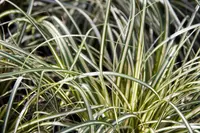
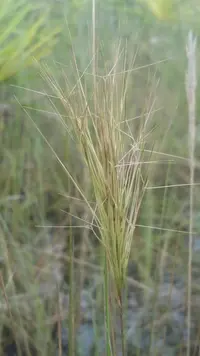
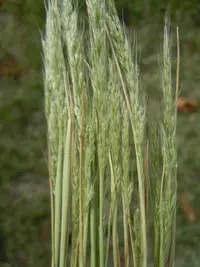
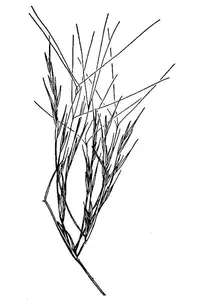
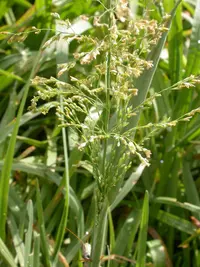
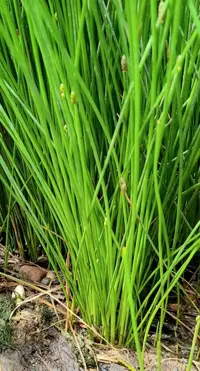
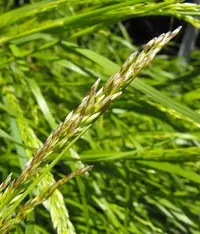
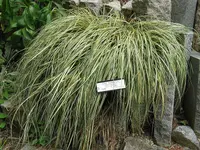
Smallflower melicgrass (Melica imperfecta) is a perennial bunchgrass native to western North America, especially California’s foothills, open woodlands, and coastal slopes. It forms loose clumps with slender, arching stems and narrow leaves, topped by delicate, small flowered panicles that give the plant a fine, airy look.

This grass usually grows in dry, rocky, or lightly shaded habitats, often under oaks or along slopes with well drained soils. It is adapted to seasonal drought and tends to be low maintenance once established, which generally makes it easier to grow in suitable climates. For those who want to care for smallflower melicgrass, it usually prefers sun to light shade and soils that do not stay wet for long periods.

Main Plant Requirements

Care Difficulty

Easy Care

Light Preference

Full Sun

Water Requirements

Low Water

Temperature Preference

Cool Climate

Hardiness Zone

6–10

Soil Texture

Sandy, Loamy, Rocky

Soil pH

Slightly acidic (6.5–7.0)

Soil Drainage

Well-drained

Fertilization

Minimal (feed rarely)

Get Personalized Care Plan

Scan your plant to receive care tips personalized for your specific plant

Available on iOS and Android

How to Care for the smallflower melicgrass

This cool-season bunchgrass prefers bright, open conditions but tolerates some shade in its native range.

  • Provide 4–6 hours of direct morning sun or light midday sun, with protection from harsh late-afternoon exposure in hotter regions to avoid leaf scorch.
  • Allow partial shade, especially under high summer sun; smallflower melicgrass still performs well with bright dappled light for much of the day.
  • Monitor plants in different seasons; increase sun exposure slightly in winter or in foggy coastal areas, and reduce intense sun in very hot, dry inland summers.

This species prefers moderately moist, well-drained soil and does not tolerate prolonged saturation.

  • Water when the top 3–5 cm of soil feels dry, aiming for soil that is evenly moist but not soggy during active spring growth.
  • Ensure sharp drainage with sandy or loamy soil; standing water, sour odor, or soft, yellowing bases indicate overwatering, while crisp leaf tips and rolling blades suggest drought stress.
  • Reduce supplemental water in summer dormancy or dry-down periods; established Melica imperfecta in the ground often manages on natural rainfall once roots are deep.

This grass is adapted to mild climates with cool, moist winters and warm, dry summers.

  • Support active growth around 55–70°F (13–21°C); plants handle typical outdoor fluctuations but grow most strongly in this range.
  • Tolerate winter lows down to about 20°F (−6°C) once established; brief light frosts are acceptable, but extended hard freezes can damage foliage and crowns.
  • Accept summer heat up to 90–95°F (32–35°C) if soil moisture is not extreme and roots are mulched; extended heat above this range can cause dormancy and browning, not necessarily plant death.

This grass handles a wide humidity range and rarely needs special adjustments in typical outdoor conditions.

  • Ideal humidity is around 30–60%, similar to most dry-summer climates where smallflower melicgrass naturally occurs.
  • Plants tolerate dry air well if soil moisture is appropriate and roots are not stressed by drought.
  • If leaf tips brown while soil is evenly moist, increase humidity slightly by grouping plants or placing trays of water and stones nearby.

Melica imperfecta prefers lean, well-drained soils that mimic dry, open grassland conditions.

  • Use a sandy or sandy-loam mix with moderate organic matter to keep the root zone airy and prevent compaction.
  • Aim for a slightly acidic to neutral pH around 6.0–7.0, avoiding strongly acidic or saline soils that restrict root function.
  • Combine 2 parts coarse sand or sandy loam with 1 part compost and 1 part fine gravel or perlite to improve drainage and aeration.
  • Avoid heavy clay, waterlogged spots, or dense peat-based mixes, which increase root rot risk and reduce oxygen around the roots.

This species can be grown in containers if drainage and root space are managed carefully.

  • Choose a deep, relatively narrow pot to match the fibrous root system and limit excessive lateral spreading at the rim.
  • Select a heavier material such as clay or ceramic if exposed to wind, as the fine foliage can act like a sail and tip light pots.
  • Elevate the container slightly on feet or bricks so gravity can clear drainage holes quickly after irrigation or rainfall.

Melica imperfecta is a tough native grass that usually needs only modest feeding in garden settings.

  • Use a light top-dressing of compost or well-rotted leaf mold in early spring to support growth.
  • If needed, apply a balanced slow-release fertilizer (around 10-10-10) once in mid spring at half label rate.
  • Avoid summer overfeeding, which encourages weak, floppy foliage in smallflower melicgrass.
  • Skip or very lightly feed during fall and winter, when the plant is semi-dormant.

Melica imperfecta benefits from light, periodic pruning to maintain a neat clumping form.

  • Best time is late winter to very early spring, before strong new growth begins.
  • Shear or cut back old, straw-colored foliage to 5–8 cm above the soil line with clean hand shears.
  • Remove dead, damaged, or lodging stems during the season to reduce disease harboring and tidy appearance.
  • Avoid cutting into fresh green growth too hard, as this can temporarily weaken the clump and reduce flowering.

This native bunchgrass is usually grown in the ground, so care focuses more on transplanting than repotting.

  • Transplant in fall or very early spring, when temperatures are mild and soil is moist but not waterlogged.
  • Choose to move clumps only when growth declines, centers thin out, or plants are clearly crowding neighboring species.
  • Dig widely around the clump to keep roots intact, then replant at the same depth and water thoroughly to settle soil.
  • Container-grown plants showing crowded roots or slow growth can be shifted to a slightly larger pot every 2–3 years.

Melica imperfecta is commonly propagated by division or by seed in suitable conditions.

  • Divide established clumps in fall or early spring, when temperatures are cool and soil is workable.
  • Lift the clump, slice it into sections with healthy roots and several shoots, and replant divisions promptly.
  • For seed, sow fresh seed in trays or prepared soil in fall to take advantage of natural winter chilling.
  • Keep soil lightly moist and well-drained; avoid heavy fertilization until new plants are well established.

This grass is generally cold hardy in its native range and usually needs minimal winter care.

  • Tolerates light frosts; in colder sites, expect foliage to brown while roots survive.
  • Apply a thin mulch layer around the base in late fall to moderate soil temperature and moisture swings.
  • In containers, move pots to a sheltered, unheated area to reduce freeze-thaw stress on the root zone.

Care Tips

Clump Renewal

Every 3–4 years, divide older clumps at the start of the cool, moist season to maintain vigor and prevent the stand from becoming woody and sparse in the center.

Drought Hardening

In late spring, gradually lengthen the interval between waterings over 2–3 weeks to encourage deeper rooting and better summer drought tolerance rather than keeping the soil evenly moist.

Seed Bank Management

If natural reseeding is desired, leave some flowering stems to dry and shed seed, but lightly rake or disturb the top 1–2 cm of soil in fall to help seeds make good contact and establish a persistent seed bank.

Low-Input Weed Control

Use a 2–3 cm layer of coarse, mineral mulch such as decomposed granite between clumps to suppress weeds without creating overly rich or moist conditions that favor competing species.

Habitat-Style Grouping

Plant in loose drifts with slightly staggered spacing and mix with compatible dryland species so that their combined canopy shades soil, reduces surface evaporation, and stabilizes the planting when growing smallflower melicgrass in exposed sites.

Common Pests and Diseases

Rust fungi

This disease causes small orange, brown, or dark pustules on leaves and culms, often appearing in clusters on wild or landscape stands. Symptoms include premature leaf yellowing and reduced vigor, especially in dense, irrigated plantings.

Solution

Remove and dispose of heavily infected foliage to lower spore load, then reduce overhead watering and avoid evening irrigation to keep foliage dry. Improve spacing and airflow around clumps, and if rust recurs in landscape plantings, use a labeled preventive fungicide on surrounding ornamental grasses rather than on undisturbed wild populations.

Leaf spot

This disease produces tan to dark brown spots or streaks on blades, sometimes with a yellow halo, most often in areas with regular irrigation or coastal fog. Symptoms include thinning patches and reduced ornamental quality of the clumps.

Solution

Trim out and discard affected leaves to reduce inoculum, then adjust irrigation so foliage dries quickly, using drip or soaker hoses instead of sprinklers when possible. Maintaining moderate fertility and avoiding excess nitrogen helps the plant outgrow minor infections without chemical treatment.

Aphids

These insects cluster on soft stems and developing seed heads, sucking sap and sometimes causing distortion or sticky honeydew. Symptoms include curling or stunted shoots and attraction of ants to the honeydew.

Solution

Wash colonies off with a firm stream of water in the morning, repeating as needed, and encourage natural predators by avoiding broad-spectrum insecticides. For persistent infestations in ornamental plantings, apply insecticidal soap or a light horticultural oil thoroughly to the affected stems and seed heads, following label directions.

Grasshoppers

These insects chew noticeable notches or larger missing sections from blades, especially on plants growing at the edge of natural areas or dry open sites. Symptoms include ragged foliage and sometimes near-complete removal of leaves on younger plants.

Solution

Physical barriers such as fine mesh or floating row cover can protect young or recently planted clumps until they establish. In larger plantings, maintaining plant diversity and removing tall weeds that shelter nymphs helps reduce pressure, and in severe cases bait formulations labeled for grasshoppers in rangeland or ornamental settings may be used according to local regulations.

Interesting Facts

California chaparral specialist

This bunchgrass is native mainly to California and is especially common in chaparral and coastal sage scrub, where it tolerates dry summers and nutrient-poor, often rocky soils.

Delicate but drought-adapted

Although the flowering stems and small spikelets look fragile, the plant survives intense Mediterranean-type summer drought by going dormant and resprouting from its perennating bases when moisture returns.

Spring flowering pattern

It typically flowers in spring, producing open, airy panicles that provide early-season structure and food resources for grassland and scrub invertebrates before many other warm-season grasses peak.

Botan icon

Did you know?

Melica imperfecta is one of relatively few native cool-season perennial grasses that still persist in some urban and suburban parts of coastal California, where remnant stands can indicate fragments of pre-development coastal prairie and scrub ecosystems.

FAQs about smallflower melicgrass

This species is a cool-season perennial bunchgrass. Individual clumps persist for many years, resprouting from the base each winter–spring. Above-ground foliage may thin or partially die back in summer, especially in hotter, drier sites.

Grow Healthy Plants with Botan Care

Keep your plants happy and healthy with plant identification, disease detection, and easy care guidance.

Botan plant care app — identify plants on mobile

Explore More Plants