Sedge Care (Carex oshimensis 'Evergold')

Also known as: Japanese Sedge
Sedge

About Sedge

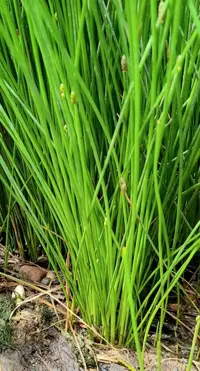
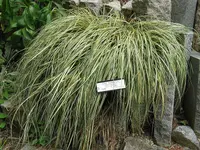
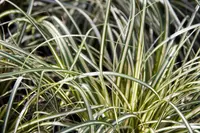
Sedge (Carex oshimensis 'Evergold') is a compact, clumping ornamental grass-like plant valued for its evergreen, arching foliage. Its narrow leaves are cream to yellow in the center with dark green edges, creating a bright, tidy mound.

This species comes from Japan, where it grows in woodland edges and rocky slopes with consistent moisture. In gardens and containers it stays relatively low, so it fits well at the front of borders or as an accent plant.

Carex oshimensis 'Evergold' is generally considered easy to grow if basic needs are met. It prefers partial shade, evenly moist but well-drained soil, and benefits from simple, regular care for Sedge rather than intensive maintenance.

Main Plant Requirements

Care Difficulty

Easy Care

Light Preference

Partial Shade

Water Requirements

Regular Water

Temperature Preference

Cold Hardy

Hardiness Zone

5–9

Soil Texture

Loamy, Sandy, Organic-rich

Soil pH

Acidic (5.5–6.5), Slightly acidic (6.5–7.0)

Soil Drainage

Moist but well-drained

Fertilization

Minimal (feed rarely)

Get Personalized Care Plan

Scan your plant to receive care tips personalized for your specific plant

Available on iOS and Android

How to Care for the Sedge

Carex oshimensis 'Evergold' prefers bright, gentle light to maintain strong variegation and compact growth.

  • Provide 3–5 hours of morning sun with light or dappled shade in the afternoon; east or light north aspects suit this Sedge well.
  • Tolerates partial to full shade, but in deep shade foliage may elongate, and leaf color can dull or fade toward solid green.
  • Avoid harsh, all-day summer sun, especially in hot climates, as it can scorch leaf tips; give more shade in mid to late summer.

Carex oshimensis 'Evergold' prefers consistently moist, but not saturated, soil for steady growth.

  • Water when the top 2–3 cm of soil feel just barely damp, not cracked dry, aiming for evenly moist soil that never becomes muddy.
  • Increase watering during hot, dry spells and reduce in cool, rainy seasons, relying on feel rather than fixed weekly schedules.
  • Use well-drained soil rich in organic matter; watch for limp, browning leaf tips as a sign of underwatering and yellowing, floppy foliage as a sign of overwatering.

This ornamental sedge is cold-hardy yet also tolerates moderate summer heat when soil moisture is maintained.

  • Ideal growing temperatures are 55–75°F (13–24°C), which support steady foliage development and reduce stress.
  • Established plants tolerate drops near 0°F (-18°C) outdoors, with foliage tip burn possible but roots usually surviving winter in the ground.
  • In summer, it manages up to about 85–90°F (29–32°C) if soil stays moist and shaded; prolonged heat above this can cause leaf scorch and decline.

This sedge handles a wide humidity range and usually does not need special humidity control outdoors or in containers.

  • Target 40–60% humidity for best foliage appearance, similar to average outdoor air in temperate climates.
  • Dry indoor air below 30% may cause brown, crispy leaf tips along the variegated edges.
  • If tips brown in very dry conditions, group containers together and mulch the soil surface to slow evaporation.

Carex oshimensis 'Evergold' prefers evenly moist, well-drained, organic-rich soil that never stays waterlogged.

  • Use a loamy mix with moderate organic matter, such as garden loam blended with compost for structure and moisture retention.
  • Aim for slightly acidic to neutral pH around 6.0–7.0, which supports nutrient uptake without excess lime buildup.
  • To improve drainage and aeration in heavy or compacted soil, incorporate coarse sand, fine bark, or perlite at 20–30% of the total volume.
  • Avoid dense clay that holds standing water, as this encourages root rot and weak, yellowing growth.

This species grows very well in containers on patios, balconies, and in mixed planters.

  • Choose a pot wider than it is deep to accommodate its spreading clump habit and prevent the root mass from becoming crowded at the surface.
  • Select a heavier material such as ceramic in windy sites, since the arching foliage can make the container prone to tipping.
  • Use a container mix that drains more freely than garden soil so excess irrigation water does not linger around the roots.

Carex oshimensis 'Evergold' is a light feeder that benefits from modest nutrition during the growing season.

  • Apply a balanced slow-release fertilizer (around 10-10-10) in early spring at label rate to support fresh growth.
  • Alternatively, top-dress with a thin layer of compost around the root zone once in spring.
  • Use half-strength balanced liquid feed monthly in containers during spring–summer only, on moist soil.
  • Stop feeding in late summer and avoid fertilization in winter dormancy to prevent weak, tender growth.

Pruning Carex oshimensis 'Evergold' is mainly cosmetic and keeps the clump neat and healthy.

  • In late winter or very early spring, remove dead, brown, or winter-damaged blades before new growth emerges.
  • Shear or comb out old foliage with gloved hands or sharp scissors, cutting no lower than 5–7 cm above the crown.
  • Thin crowded, crossing, or flopped stems lightly to maintain a tidy, arching shape and good air flow.
  • Disinfect pruning tools before and after use to reduce the risk of spreading fungal or bacterial problems.

This sedge transplants well and only needs repotting or division when crowded or declining.

  • Check containers every 2–3 years; roots circling the pot, water running off quickly, or reduced vigor signal a need to move or divide.
  • Plan repotting or transplanting for early spring or early fall, when temperatures are mild and soil moisture is stable.
  • Lift the clump gently, tease or cut the root mass into sections with several shoots each, and trim damaged roots cleanly.
  • Replant at the same soil level in a wider container or garden site, water thoroughly, and shade lightly for 3–5 days to limit stress.

Division is the standard method for increasing Carex oshimensis 'Evergold' while keeping the variegated foliage true.

  • Divide mature clumps in early spring or early fall when soil is cool and moisture is reliable.
  • Lift the plant, then split the root ball by hand or with a clean knife into sections each with multiple shoots and roots.
  • Replant divisions at original depth in moist, well-drained soil, spacing 25–35 cm apart for future spread.
  • Keep soil evenly moist and provide light shade for 1–2 weeks to support new root establishment.

This evergreen sedge is cold hardy in much of the US and usually needs minimal winter care outdoors.

  • Tolerates light to moderate frosts once established, though foliage may bronze or tip-burn in severe cold.
  • Apply a 3–5 cm mulch layer around the root zone in late fall in colder regions, keeping mulch off the crown.
  • For containers in zones colder than its rating, move pots to a sheltered, unheated spot to prevent root freeze.

Care Tips

Clump Rejuvenation

Every 3–4 years, lift and divide congested clumps in early spring, discarding weak centers and replanting only the vigorous outer sections to keep foliage dense and prevent die-out patches.

Edge Protection

When planting near paths, set the crown 2–3 in back from hard edges or stepping stones to reduce mechanical damage from feet and tools and keep the arching leaves looking clean and intact.

Mulch Management

Apply a thin, 1 in layer of fine mulch around but not over the crowns to suppress weeds and stabilize soil moisture while preventing crown rot in wet periods.

Snow And Ice Care

In cold climates, gently shake off heavy, wet snow from the leaves to prevent matting and breakage, but avoid using ice-melting salts nearby, which can burn roots and cause foliage browning.

Container Renewal

For plants in pots, top-dress each spring by scraping off the top 1–2 in of old mix and replacing it with fresh, high-quality potting soil to maintain nutrition and root health when caring for Sedge.

Common Pests and Diseases

Rust

This disease causes orange to brown powdery pustules on leaf surfaces and can lead to premature browning and thinning of clumps.

Solution

Remove and dispose of affected leaves, avoid overhead watering, and improve air circulation around the plant; for persistent outbreaks, apply a labeled fungicide for ornamental grasses according to the product directions as part of Carex oshimensis 'Evergold' care.

Leaf spot

This disease produces tan to dark brown spots or blotches on leaves, sometimes with yellow halos, and can make the foliage look scorched or patchy.

Solution

Trim off and discard heavily spotted foliage, water at soil level to keep blades as dry as possible, thin crowded plantings to improve airflow, and if needed use a broad-spectrum ornamental grass fungicide during wet periods.

Aphids

These insects cluster on young shoots and leaf bases, sucking sap and causing distortion, yellowing, and sticky honeydew deposits.

Solution

Rinse colonies off with a firm stream of water, encourage natural predators like lady beetles, and if populations remain high treat with insecticidal soap or a horticultural oil spray, ensuring full coverage of leaf bases and undersides.

Spider mites

These pests feed on leaf surfaces, leading to fine stippling, dull or bronzed foliage, and sometimes delicate webbing between blades in hot, dry weather.

Solution

Increase humidity around the plant and hose down the foliage regularly, then use insecticidal soap or a light horticultural oil specifically labeled for mites if damage continues, repeating applications as the label recommends.

Root and crown rot complex

This disease is caused by soilborne fungi in poorly drained or waterlogged sites and leads to wilting, yellowing, and collapse of entire clumps despite moist soil.

Solution

Improve drainage, avoid overwatering, and never plant sedges in standing water; remove and discard severely affected plants and replant only in raised or better-drained soil, optionally incorporating coarse grit or organic matter to enhance structure.

Interesting Facts

Stable variegated foliage

The yellow-and-green striped leaves are genetically stable variegations, so plants grown from division reliably keep their distinctive coloring rather than reverting to plain green foliage.

Compact clumping habit

This sedge forms tight, arching clumps rather than spreading aggressively by runners, which makes it a controlled edging or container plant in gardens and landscape designs.

Shade-tolerant ornamental grass

Although it is not a true grass but a sedge, its fine-textured, arching leaves provide a grass-like effect in low-light spots where many ornamental grasses struggle.

FAQs about Sedge

This ornamental grass is evergreen in mild climates, holding its variegated leaves year-round. In colder areas some foliage may brown or flatten in winter, but clumps usually re-sprout fresh growth in spring with minimal grooming.

Grow Healthy Plants with Botan Care

Keep your plants happy and healthy with plant identification, disease detection, and easy care guidance.

Botan plant care app — identify plants on mobile

Explore More Plants