Substrate pasteurization
Before inoculation, heat bulk substrate such as straw or wood-based mix to 150–170°F for 60–90 minutes to reduce competing fungi and bacteria without fully sterilizing the material.

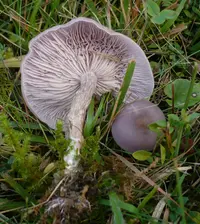
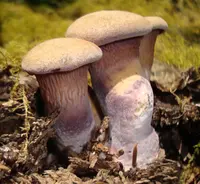
Sordid blewit, Lepista sordida, is a small saprobic mushroom that feeds on decaying organic matter rather than forming a typical leafy plant. It often appears in clusters or fairy rings, with lilac to pinkish caps that fade as they age.
This species is found in lawns, gardens, leaf litter, and grassy areas in temperate regions, especially during cool, moist seasons. It can be somewhat unpredictable to cultivate because it depends on stable moisture, mild temperatures, and a rich layer of decomposing material, so attempts to care for sordid blewit focus on mimicking those natural conditions.

Care Difficulty
Moderate Care

Light Preference
Partial Shade

Water Requirements
Keep Soil Moist

Temperature Preference
Cool Climate

Hardiness Zone
Unknown

Soil Texture
Loamy, Silty, Organic-rich

Soil pH
Acidic (5.5–6.5), Slightly acidic (6.5–7.0)

Soil Drainage
Moist but well-drained

Fertilization
Minimal (feed rarely)
Scan your plant to receive care tips personalized for your specific plant
Available on iOS and Android
This saprotrophic fungus prefers gentle, indirect light similar to a bright forest edge.
This species needs consistently moist, never waterlogged, conditions around its growing substrate.
This fungus thrives in cool to mild conditions typical of autumn woodland environments.
This fungus tolerates varied humidity but fruits best in consistently moist, not saturated, conditions.
Lepista sordida prefers moist, airy, organic-rich substrate rather than typical garden bed conditions.
This species can be grown in containers if the vessel mimics a deep, moist, woodland-like substrate layer.
This saprotrophic fungus relies mainly on organic matter and usually needs no additional fertilizer in gardens or beds.
Pruning is not a standard practice for Lepista sordida, since it is a mushroom-forming fungus, not a leafy plant.
This species is rarely grown as a potted specimen, so focus on managing outdoor or bed substrates rather than classic repotting.
Lepista sordida is propagated by spreading mycelium or spores into a rich, moist organic substrate rather than by classic plant methods.
In many temperate climates this fungus is naturally cold tolerant and usually needs no special winter care once established outdoors.

Plant Health Check
Not sure what's wrong with your plant? Check your plant's health inside the app.
This mushroom produces a distinctive pale lilac to pinkish spore print, which helps distinguish it from many similar-looking brown or grey decomposer fungi.
It often grows in conspicuous fairy rings in lawns, parks, and grasslands, as the underground mycelium expands outward in a roughly circular pattern over several seasons.
Fruiting bodies commonly appear in cool seasons, such as late autumn to early winter in temperate regions, when many other saprotrophic mushrooms are already absent.

Lepista sordida can accumulate certain soil pollutants, including some heavy metals, which means its presence can reflect local environmental quality and makes it unsuitable for foraging in contaminated urban or roadside sites.
This mushroom is considered edible when correctly identified and cooked, but it has some look-alikes that can be harmful. Only experienced foragers should eat it, and local expert verification is strongly recommended before consumption.
Keep your plants happy and healthy with plant identification, disease detection, and easy care guidance.