giant ironweed Care (Vernonia gigantea)

Also known as: Tall Ironweed
giant ironweed

About giant ironweed

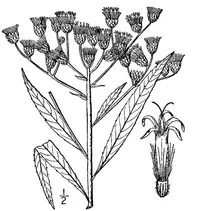
Giant ironweed, Vernonia gigantea, is a tall, upright perennial native to prairies, meadows, and open wood edges in eastern and central North America. It forms sturdy clumps with strong stems.

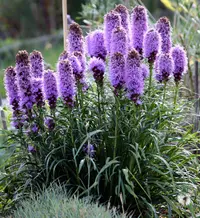
Plants carry narrow, rough-textured leaves and showy clusters of rich purple flower heads late in summer, attracting butterflies and other pollinators. The overall look is bold and vertical.

This species enjoys full sun, consistent moisture, and moderately fertile, well-drained soil, but it tolerates short dry spells once established. Deep roots and strong stems make it long-lived and fairly low-maintenance when you understand how to care for giant ironweed.

Main Plant Requirements

Care Difficulty

Easy Care

Light Preference

Full Sun

Water Requirements

Regular Water

Temperature Preference

Cold Hardy

Hardiness Zone

4–9

Soil Texture

Loamy, Clay, Organic-rich

Soil pH

Acidic (5.5–6.5), Slightly acidic (6.5–7.0)

Soil Drainage

Moist but well-drained

Fertilization

Minimal (feed rarely)

Get Personalized Care Plan

Scan your plant to receive care tips personalized for your specific plant

Available on iOS and Android

How to Care for the giant ironweed

This tall native perennial thrives in open, sunny sites with consistent exposure during the growing season.

  • Provide 6–8 hours of direct sun daily; morning sun with some light afternoon shade is ideal, especially in hotter regions.
  • Plant giant ironweed where it still receives at least 4–5 hours of sun in light partial shade; dense shade leads to weak, floppy stems and fewer flowers.
  • In summer, monitor for leaf scorch or wilt during extreme afternoon heat; in late fall and winter, reduced light is acceptable as the plant goes dormant.

This species prefers consistently moist soil but does not tolerate standing water for long periods.

  • Outdoors in typical garden soil, water when the top 3–5 cm feel dry, aiming for evenly moist but not saturated conditions during active growth.
  • In hot, dry spells, increase watering frequency and check for wilting, crisp leaf edges, or drooping stems, which indicate Vernonia gigantea is too dry.
  • Improve drainage with organic matter if puddles remain for more than a few hours; yellowing, soft stems or a sour soil smell suggest overwatering or poor aeration.

This hardy perennial tolerates a broad temperature range and survives cold winters once established.

  • Optimal growth occurs around 70–85°F (21–29°C) during the growing season, supporting strong stems and flowering.
  • The plant survives winter dormancy down to about -20°F (-29°C) when rooted in the ground, but new spring shoots are sensitive to late hard frosts.
  • In summer heat above 90°F (32°C), it usually copes well if soil moisture stays consistent; mulch helps buffer root temperature and reduce stress.

This species tolerates a wide humidity range and usually does not need special humidity management outdoors.

Vernonia gigantea prefers moist, well-structured soil that stays aerated yet never waterlogged.

  • Use a loamy soil rich in organic matter, such as garden soil blended with compost or well-rotted manure, to support tall, vigorous growth.
  • Ensure moderate drainage by avoiding heavy, compacted clay; lighten dense soils with coarse sand or fine gravel to reduce standing water around roots.
  • Aim for slightly acidic to neutral pH, around 6.0–7.0, which supports nutrient availability and healthy root function.
  • Avoid very shallow, stony, or extremely sandy sites that dry out quickly, as inconsistent moisture can stunt stems and reduce flowering.

This tall, deep-rooted species can be grown in containers, but only in large, stable setups.

  • Choose a tall, heavy container at least 40–50 cm deep to accommodate the taproot and prevent tipping in wind.
  • Use a wide-based pot or add bricks at the bottom to increase stability as the plant becomes top-heavy when flowering.
  • Select a thick-walled, non-glazed clay or concrete container to buffer moisture swings and reduce overheating of the root zone.

This tall native perennial grows well in average soil but benefits from modest feeding during the active season.

  • Apply a balanced 10-10-10 or 14-14-14 fertilizer at half strength in early spring as new growth appears.
  • In lean soils, work in a thin layer of compost around the root zone to support vigorous stems and flowering.
  • Repeat light feeding once more in midsummer if growth is weak, avoiding heavy, nitrogen-rich products.
  • Stop feeding giant ironweed in late summer so stems harden and the plant transitions toward dormancy.

Vernonia gigantea responds well to light, targeted pruning that manages height and encourages dense, floriferous growth.

  • Cut back dead, damaged, or winter-killed stems in late winter or very early spring using clean, sharp pruners.
  • Shear or pinch back young shoots by 1/3 in late spring to reduce final height and create sturdier, bushier plants.
  • Remove spent flower heads if self-seeding is not desired, leaving some if natural reseeding is acceptable.
  • Thin out crowded stems at the base to improve air movement and reduce the chance of foliar disease.

This species is usually grown in the ground, so management focuses on transplanting clumps rather than frequent repotting.

  • Plan transplanting for early spring or early fall when temperatures are mild and the plant is not flowering.
  • Look for signs such as congested crowns, slow vigor, or roots circling inside a nursery pot before moving plants.
  • Lift the clump with a sharp spade, keep as much root ball intact as possible, and replant at the same soil depth.
  • Water thoroughly after transplanting, then keep soil evenly moist for several weeks to limit transplant shock and encourage new roots.

New plants are most commonly obtained by seed or division, both suitable for home gardeners.

  • Collect seeds from mature heads in late summer, then sow outdoors in fall so natural winter chilling aids germination.
  • For controlled seed starting, provide 4–8 weeks of cold, moist stratification at 35–45°F before spring sowing under bright light.
  • Divide established clumps in early spring, separating vigorous sections with several buds and healthy roots.
  • Replant divisions promptly in prepared soil, water well, and maintain consistent moisture while they establish, supporting successful Vernonia gigantea plant care.

This species is cold hardy across much of the US and usually needs minimal winter attention in the landscape.

  • After hard frost, allow stems to stand for winter interest and wildlife value, or cut them down to a few inches above soil.
  • Apply a 5–7 cm layer of mulch around the base in colder zones to buffer freeze–thaw cycles.
  • For container plants, move pots into a sheltered, unheated but frost-free area or heel them into the ground for added insulation.

Care Tips

Sturdy staking system

Install tall, rigid stakes or a wire grid on the windward side early in the season, and loosely tie stems in several places to prevent lodging and stem breakage when the plant reaches full height.

Cutback for branching

In late spring, when stems reach 30–45 cm, pinch or cut back the growing tips by 5–10 cm to promote shorter, sturdier plants with more flowering branches and a longer bloom display.

Rhizome containment

To limit spread in small gardens, install a 30–40 cm deep root barrier or plant in a bottomless container sunk in the ground, checking every 1–2 years for rhizomes creeping beyond the barrier.

Seed head management

If self-seeding is not desired, shear off or deadhead drying flower clusters before seeds fully fluff out, leaving a portion for wildlife only where volunteer seedlings will be acceptable.

Seasonal division timing

Divide mature clumps in early spring just as shoots emerge, replanting outer vigorous sections and discarding woody centers to maintain strong growth and simplify caring for giant ironweed in the long term.

Common Pests and Diseases

Leaf-chewing caterpillars

This pest commonly feeds on the foliage, creating irregular holes and sometimes stripping leaves on young stems. Symptoms include ragged leaf edges, missing sections, and frass (dark droppings) on or below the plant.

Solution

Handpick caterpillars in the early morning or evening and drop them into soapy water, and encourage natural predators such as birds by avoiding broad-spectrum insecticides nearby. For heavier infestations on large plantings, use a targeted biological control containing Bacillus thuringiensis (Bt), applied only to the foliage and according to the label.

Leaf beetles

These insects chew small, rounded holes in leaves, sometimes giving the foliage a shot-hole appearance. This pest is often found on sunny, open stands of plants where it feeds on the upper leaf surface.

Solution

Inspect plants regularly and knock beetles into a container of soapy water, and remove heavily damaged leaves to reduce feeding sites. If needed, apply a contact insecticidal soap or horticultural oil directly to the beetles and leaf surfaces, repeating as directed while protecting nearby beneficial insects.

Aster yellows

This disease is caused by a phytoplasma (bacteria-like organism) spread by leafhoppers, and it disrupts normal growth. Symptoms include stunted plants, distorted or tufted flower heads, chlorotic (yellowing) foliage, and poor or absent seed set.

Solution

Remove and destroy symptomatic plants promptly to reduce the local source of infection, and control nearby broadleaf weeds that can host the phytoplasma. Limiting overhead irrigation and reducing dense weed growth around plantings can lower leafhopper activity, and in high-value plantings, floating row covers may be used to physically exclude leafhoppers during peak activity.

Powdery mildew

This disease appears as white to gray, powdery patches on the upper leaf surfaces, especially in late summer when nights are cool and humidity is high. Symptoms include dulled leaf color, distorted new growth, and premature leaf aging on crowded stands of plants.

Solution

Thin or divide dense clumps to improve air movement, avoid overhead watering late in the day, and remove heavily infected leaves to slow spread. In situations where appearance is important, use a labeled fungicide such as a sulfur or potassium bicarbonate product, applied preventively at the first sign of powdery spotting and repeated as directed.

Leaf spot

This disease causes small, tan to dark-brown lesions on leaves that may enlarge and coalesce during warm, wet weather. Symptoms include scattered spotting, occasional yellow halos around lesions, and premature leaf drop on lower foliage.

Solution

Remove and dispose of affected lower leaves and any fallen debris to reduce the source of spores, and water at the base of the plants to keep foliage as dry as possible. Improve spacing and airflow, and if leaf spot recurs severely year after year, rotate plantings and use a preventive fungicide labeled for ornamental composites, applied at the first sign of spotting.

Interesting Facts

Late-season pollinator magnet

Giant ironweed produces dense clusters of purple flower heads from late summer into early fall, providing nectar and pollen when many other native wildflowers have finished blooming.

Tall prairie native

This species is native to eastern and central North America and commonly reaches 1.5–2.5 m in height in moist prairies, meadows, and roadside habitats, forming a prominent part of late-summer plant communities.

Wind-dispersed seeds

Its small fruits are topped with a ring of bristles called a pappus, which acts like a parachute and allows seeds to be carried long distances by the wind, helping the plant colonize open, sunny sites.

Botan icon

Did you know?

Giant ironweed hybridizes naturally with some closely related Vernonia species, and these hybrids can show intermediate traits such as flower color and plant height, which has made the group taxonomically challenging for botanists to classify.

FAQs about giant ironweed

This species spreads mainly by seed and short rhizomes, forming clumps rather than running. In rich, moist soil it can self-seed freely, so deadhead spent flowers if you want to limit its spread.

Grow Healthy Plants with Botan Care

Keep your plants happy and healthy with plant identification, disease detection, and easy care guidance.

Botan plant care app — identify plants on mobile

Explore More Plants