autumn crocus Care (Colchicum autumnale)

Also known as: meadow saffron, naked lady, Naked Ladies
autumn crocus

About autumn crocus

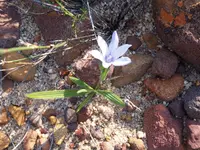
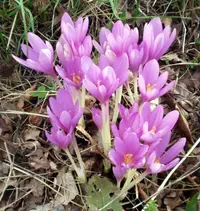
Autumn crocus, Colchicum autumnale, is a small bulb-like perennial grown from corms that produce crocus-like flowers in fall without true leaves present. The blooms are usually pale pink to lilac and appear above low, grassy foliage that emerges in spring and dies back in early summer.

This species is native to damp meadows and woodland edges in parts of Europe, where it naturalizes in cool, temperate climates. It prefers sun to light shade, moisture-retentive but well-drained soil, and minimal disturbance once planted, which makes it fairly easy to maintain when sited correctly.

Understanding how to care for autumn crocus mainly involves choosing a suitable planting spot and allowing its natural growth and dormancy cycle to proceed undisturbed.

Main Plant Requirements

Care Difficulty

Easy Care

Light Preference

Full Sun

Water Requirements

Moderate Water

Temperature Preference

Cold Hardy

Hardiness Zone

4–9

Soil Texture

Sandy, Loamy, Organic-rich

Soil pH

Acidic (5.5–6.5), Slightly acidic (6.5–7.0)

Soil Drainage

Well-drained

Fertilization

Minimal (feed rarely)

Get Personalized Care Plan

Scan your plant to receive care tips personalized for your specific plant

Available on iOS and Android

How to Care for the autumn crocus

This bulb prefers bright conditions with some protection from intense heat.

  • Provide 4–6 hours of sun daily, ideally with morning sun and light afternoon shade, especially in hotter regions.
  • Plant in a spot with dappled or partial shade under deciduous shrubs or trees so foliage receives spring light before canopy leaf-out.
  • Avoid deep shade, which produces weak, floppy leaves and fewer flowers, and avoid harsh all-day sun that can scorch foliage and shorten autumn crocus bloom life.

Moist but sharply drained soil is essential for healthy growth and flowering.

  • During spring leaf growth, water only when the top 3–5 cm of soil feels dry, allowing excess to drain so the bulbs do not sit in water.
  • In summer dormancy, keep the site on the dry side, relying mostly on rainfall, as Colchicum autumnale bulbs are prone to rot in persistently wet ground.
  • Watch for yellowing, limp leaves and soft bulbs as signs of overwatering; dry, collapsing foliage early in the season can indicate prolonged drought stress.

This hardy bulb tolerates cool climates but benefits from moderate temperatures during active growth.

  • Optimal growth occurs in cool to mild conditions around 50–68°F (10–20°C), typical of spring and autumn in many temperate gardens.
  • Dormant bulbs survive winter soil temperatures down to about 0°F (−18°C) when planted 10–15 cm deep in well-drained ground.
  • The foliage tolerates light frosts, but prolonged freezes below 20°F (−7°C) without snow cover or mulch, and extreme heat above 90°F (32°C), can damage leaves and reduce flowering in the next season.

Humidity is rarely a limiting factor for autumn crocus grown outdoors in temperate climates.

Soil preparation is critical for preventing bulb rot and promoting reliable flowering in Colchicum autumnale.

  • Use a loose, well-drained loam or sandy loam with moderate organic matter so water moves through quickly but does not dry out instantly.
  • Aim for slightly acidic to neutral pH, around 6.0–7.0, which supports root activity and nutrient uptake.
  • In heavy or clay soils, improve drainage and aeration by working in coarse sand or fine gravel plus well-rotted compost before planting.
  • Avoid low-lying, waterlogged, or compacted ground, since standing moisture around the corms greatly increases rot risk.

This species is suitable for container growing when drainage and pot depth are carefully managed.

  • Select a container at least 20–25 cm deep so the corms can sit 10–15 cm below the rim with room for root spread.
  • Use a heavy or wide-based pot to prevent tipping when flowers emerge on tall, leafless stems in autumn winds.
  • Line the bottom with a 2–3 cm layer of coarse gravel above the drainage holes to reduce water accumulation around the corm base.

This bulb needs only light feeding to support flowering and leaf growth in average garden soil.

  • Apply a thin layer of compost or well-rotted manure over the planting area in early spring before leaves fully emerge.
  • In poorer soils, use a balanced slow-release fertilizer (around 10-10-10) once in spring at label rate.
  • Avoid summer feeding while foliage is dormant, as inactive bulbs cannot use added nutrients effectively.
  • Do not exceed recommended strength; excess nitrogen encourages weak, floppy foliage instead of strong blooms in autumn crocus.

Colchicum autumnale needs minimal pruning, mainly to keep the clump tidy and disease free.

  • Cut back yellowing or collapsed foliage in late spring with clean, sharp scissors or hand shears.
  • Remove any damaged, diseased, or slug-chewed leaves promptly to limit fungal spread.
  • Allow healthy leaves to die back naturally, as they feed the bulb and support next season’s flowering.
  • Avoid cutting green foliage hard, since heavy removal can weaken the bulb and reduce future blooms.

This bulbous plant is usually grown in the ground and only needs transplanting when clumps become crowded.

  • Lift and divide clumps every 4–6 years, ideally in late summer when foliage is fully dormant.
  • Signs it needs attention include weak flowering, very dense clusters of bulbs, or bulbs pushing to the soil surface.
  • Gently dig up the clump, separate bulbs by hand, and replant at the same depth in fresh, well-drained soil.
  • Water lightly after replanting to settle soil around the roots, then keep relatively dry until new growth appears.

Colchicum autumnale is most reliably propagated by division of mature bulbs rather than from seed.

  • Divide established clumps in late summer when bulbs are dormant and soil is workable.
  • Lift the clump, gently separate offsets from the parent bulbs, and discard any soft or diseased material.
  • Replant offsets immediately at 10–15 cm depth in free-draining soil and water once to settle soil.
  • Seed propagation is slow and variable, typically taking several years to reach flowering size.

Established plants are cold hardy in much of the US and usually need only modest winter preparation.

  • Bulbs tolerate frost in the ground, but ensure soil drains freely to prevent rot in winter rains.
  • Apply a light mulch layer after foliage dies back in cold regions to moderate soil temperature swings.
  • Container-grown bulbs benefit from a sheltered, unheated spot such as a cold frame or garage to avoid waterlogging.

Care Tips

Bulb planting depth

Plant corms 10–15 cm deep and spaced 10–15 cm apart to reduce frost heave and provide enough room for clump expansion over several years.

Dormancy ground markers

After flowers and foliage die back, mark clump locations with discreet stakes or labels so you do not accidentally damage or dig up the dormant corms during other bed work.

Foliage protection strategy

In late winter, interplant with low, later-emerging perennials or groundcovers that will mask the untidy fading foliage in spring while still allowing full light to reach the leaves.

Division timing check

Lift and divide congested clumps only during summer dormancy, replanting the largest outer corms and discarding any soft or damaged ones to maintain strong flowering performance.

Rodent and slug deterrence

Use wire mesh baskets in rodent-prone gardens and deploy slug traps or barriers at bud emergence, since protecting the early shoots is one of the most effective steps in caring for autumn crocus.

Common Pests and Diseases

Slug and snail damage

This pest feeds on young foliage and flowers, often leaving ragged edges and holes in leaves and chewed petals on emerging autumn blooms. Symptoms include slime trails on soil and plant surfaces, especially in damp, shaded sites.

Solution

Hand-pick slugs and snails in the evening, use beer traps or iron phosphate bait around clumps, and remove thick mulch or debris where they hide. Planting bulbs in well-drained, slightly more open positions and using barriers such as copper tape or sharp grit around plantings can reduce future damage when growing autumn crocus.

Gray mold (Botrytis)

This disease causes soft, water-soaked spots on leaves and flowers that quickly become covered with fuzzy gray mold, especially in cool, damp weather. Symptoms include collapse of blooms shortly after opening and rotting of fading foliage in dense plantings.

Solution

Remove and discard affected flowers and leaves promptly and avoid overhead watering or watering late in the day. Improve air movement, thin very crowded clumps, and keep plant debris off the soil surface; in severe, recurring cases, a labeled fungicide may be used during prolonged wet periods.

Bulb rot

This disease affects the corms (bulb-like storage organs), causing them to become soft, discolored, and foul-smelling, often leading to poor emergence or sudden collapse of foliage. Symptoms include missing or weak shoots in spring or autumn despite healthy-looking surrounding plants.

Solution

Dig and discard all soft or rotted corms and replant only firm, healthy ones in fresh, well-drained soil raised above any standing water. Avoid overwatering, do not plant too deeply or in heavy, compacted soil, and rotate planting spots if rot has been severe in one area.

Narcissus bulb fly

This pest lays eggs at the base of bulbs, and the larvae tunnel inside the corms, hollowing them out and preventing normal shoot growth. Symptoms include weak, distorted, or absent shoots and corms that feel unusually light and show internal tunneling when cut open.

Solution

Lift suspicious corms, cut open and destroy any that contain larvae, and dispose of them away from the garden. To reduce future attack, plant corms slightly deeper in well-drained soil, cover newly planted areas with fine mesh until foliage is established, and avoid leaving damaged or exposed corms on the soil surface.

Interesting Facts

Autumn-only flowering

This species produces its crocus-like flowers in late summer to autumn, while its leaves appear only in spring and die back before flowering, so foliage and blooms never overlap on the plant at the same time.

Highly toxic alkaloid

The plant contains the alkaloid colchicine in all parts, especially the bulbs and seeds, which disrupts cell division and makes the species extremely poisonous to humans and livestock even in small amounts.

Meadow and pasture native

It is naturally found in damp meadows, open woodlands, and grazed pastures across parts of central and western Europe, where it often forms loose colonies in calcareous, seasonally moist soils.

Botan icon

Did you know?

In medieval and early modern Europe, this species was so feared for poisoning grazing animals that in some regions farmers organized collective digging campaigns to remove it from shared pastures, and local place names sometimes reference its presence or eradication.

FAQs about autumn crocus

Lack of flowering usually comes from bulbs planted too deep, overcrowded clumps, or insufficient summer rest. This species forms next season’s flower buds in late summer, so lifting, dividing, and replanting every few years often restores bloom.

Grow Healthy Plants with Botan Care

Keep your plants happy and healthy with plant identification, disease detection, and easy care guidance.

Botan plant care app — identify plants on mobile

Explore More Plants