Silver spurflower Care (Coleus argentatus)

Silver spurflower

About Silver spurflower

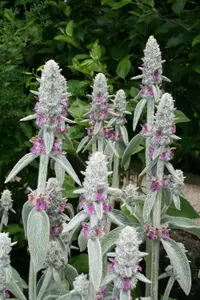
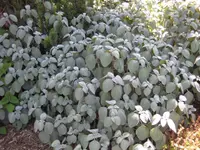
Silver spurflower, Coleus argentatus, is a soft, shrubby perennial often grown as an annual for its silvery, velvety leaves. It forms a rounded, bushy mound and may produce small, pale flower spikes, though the foliage is the main feature.

This species is native to dry, rocky areas of Australia, which explains its tolerance of heat, sun, and short dry spells. Its forgiving nature and fast growth make it suitable for beginner gardeners who want to care for Silver spurflower in containers or bedding.

It generally prefers bright light, moderate moisture, and well-drained soil, and it responds well to regular, light pruning to keep a dense shape.

Main Plant Requirements

Care Difficulty

Easy Care

Light Preference

Partial Sun

Water Requirements

Regular Water

Temperature Preference

Tropical / Frost Sensitive

Hardiness Zone

10–11

Soil Texture

Loamy, Sandy, Organic-rich

Soil pH

Acidic (5.5–6.5), Slightly acidic (6.5–7.0)

Soil Drainage

Moist but well-drained

Fertilization

Light (every 4–6 weeks)

Get Personalized Care Plan

Scan your plant to receive care tips personalized for your specific plant

Available on iOS and Android

How to Care for the Silver spurflower

This species prefers bright but gentle light to keep foliage dense and silvery.

  • Provide 3–5 hours of morning sun with light shade or filtered light from midday onward to prevent leaf scorch.
  • Tolerates partial shade, but in very low light stems stretch, leaves pale, and the plant becomes open and leggy, especially in Silver spurflower.
  • In hot summers, protect from strong sun between 11 a.m. and 4 p.m.; in cooler seasons, slightly more direct light helps maintain compact growth.

This plant likes evenly moist but not saturated soil.

  • Water when the top 2–3 cm of soil feels dry, then water thoroughly so moisture reaches the root zone without leaving the area waterlogged.
  • In hot, windy weather, check soil moisture more often; in cool or rainy periods, extend intervals to avoid soggy conditions that promote root rot.
  • Signs of underwatering include limp, drooping leaves that recover after watering; yellowing, mushy stems or a sour smell suggest overwatering in Coleus argentatus.

This plant grows best in warm, frost-free conditions.

  • Ideal growth occurs around 65–80°F (18–27°C), with steady warmth supporting dense foliage and strong stems.
  • Avoid temperatures below 50°F (10°C); light frost damages leaves, and a hard freeze usually kills the plant.
  • It tolerates short heat spells up to about 90°F (32°C) if soil moisture is maintained, but prolonged extreme heat and dry wind can scorch or stunt new growth.

This species prefers moderate humidity but tolerates typical indoor air if watered consistently.

  • Aim for 40–60% humidity to keep foliage full and velvety when caring for Silver spurflower.
  • Crisping leaf edges, dull leaf surface, and slowed growth indicate air that is too dry.
  • Increase humidity by grouping plants, placing pots on pebble trays with water, or running a nearby room humidifier.

Coleus argentatus grows best in a loose, airy substrate that drains quickly yet holds consistent moisture.

  • Use a peat- or coir-based mix with added compost for organic matter and 20–30% perlite to improve drainage and aeration.
  • A light loam or sandy loam structure prevents waterlogging around fine roots, which are prone to rot in heavy clay.
  • Aim for slightly acidic to neutral pH, roughly 6.0–7.0, to support steady nutrient uptake and even foliage color.
  • Avoid dense garden soil, poorly drained containers, and compacted mixes; lighten them with perlite or coarse sand before planting.

This species is very suitable for containers, including patio pots and balcony boxes.

  • Select a wide, low to medium-depth pot to accommodate its spreading habit and reduce the risk of tipping in wind.
  • Choose slightly heavier materials like ceramic or thick plastic to stabilize the plant as top growth becomes lush and bushy.
  • Ensure drainage holes stay clear and empty saucers within 10–15 minutes to prevent prolonged root contact with standing water.

Coleus argentatus benefits from modest, consistent feeding during its active growing season.

  • Use a balanced liquid fertilizer (e.g., 10-10-10) at 1/4–1/2 strength every 2–4 weeks from spring through late summer.
  • Alternatively, apply a thin layer of compost or a mild slow-release fertilizer at the start of the season.
  • Always water before liquid feeding to avoid root burn and keep soil evenly moist, not saturated.
  • Stop or reduce feeding to once every 6–8 weeks in fall and winter when growth slows.

Coleus argentatus responds well to light, frequent pruning to maintain a compact, bushy shape.

  • Pinch or trim stem tips in spring and summer to encourage branching and denser foliage.
  • Remove dead, damaged, or crossing stems with clean, sharp scissors or hand pruners to reduce disease risk.
  • Shorten leggy or elongated shoots by 1/3 to improve form and support stronger new growth.
  • Deadhead spent flower spikes if foliage quality declines, directing energy back into leaves.

This plant grows fast and often benefits from periodic potting-on or transplanting to maintain vigor.

  • Check for roots circling the pot, emerging from drainage holes, or slowed growth as signals to move Coleus argentatus to a larger container.
  • Plan repotting or garden transplanting in spring after frost risk has passed, typically every 1–2 years for container plants.
  • Choose a pot 2–5 cm wider with free-draining mix; gently loosen circling roots without tearing large, healthy ones.
  • Water thoroughly after moving, keep in bright but indirect light for 3–7 days, and avoid heavy fertilization until new growth appears.

Coleus argentatus is commonly renewed from stem cuttings, with seeds used less often for home growers.

  • Take 7–10 cm non-flowering tip cuttings in late spring or summer, cutting just below a node.
  • Strip lower leaves and place stems in water or moist, free-draining mix, keeping nodes slightly buried.
  • Maintain bright, indirect light, 70–80°F warmth, and high humidity to support rooting within about 1–3 weeks.
  • For seed propagation, sow on the surface of moist mix, do not cover heavily, and keep consistently warm and lightly bright.

This species is frost-sensitive and usually treated as an annual outdoors in cooler climates.

  • Expect top growth to die near 32°F; in USDA zones below 9, overwinter plants indoors for continuity.
  • Before first frost, pot up healthy cuttings or small plants and grow them as houseplants in bright, indirect light.
  • Maintain indoor temperatures above 60°F and reduce watering, keeping soil just slightly moist, not soggy.
  • In mild climates, apply a light mulch around the root zone but do not rely on it for hard freezes when caring for Silver spurflower.

Care Tips

Pinch for bushiness

Regularly pinch out just the soft tip of each stem every 2–3 weeks during active growth to keep plants compact, encourage dense branching, and delay flowering that can make foliage sparse.

Refresh tired plants

If plants become woody or leggy, cut them back by 1/3 and re-root the healthiest 8–10 cm tip cuttings in fresh potting mix to renew the planting with vigorous young growth.

Protect from wind

Site containers and beds where strong, drying winds are blocked by a fence or other plants, as the silver, felted leaves tear easily and lose ornamental quality in exposed positions.

Rotate and replace

Treat plants as short-lived ornamentals by rotating them out after 1–2 seasons and replanting from cuttings, which helps maintain uniform size, color, and vigor in a display when growing Silver spurflower.

Use as living mulch

Plant at the front of borders or around taller specimens at 20–30 cm spacing so the dense, spreading habit shades the soil surface, reducing weed growth and helping retain even soil moisture.

Common Pests and Diseases

Mealybugs

This pest feeds on plant sap and appears as white, cottony clusters in leaf axils and along stems. Symptoms include sticky honeydew, sooty mold, and general decline in vigor.

Solution

Isolate the plant, then dab visible insects with cotton swabs dipped in 70% isopropyl alcohol and repeat weekly until no new pests appear. For larger infestations, rinse foliage with a strong but gentle stream of water, then apply an insecticidal soap or neem oil spray, ensuring thorough coverage of leaf undersides and stems.

Spider mites

These insects are tiny sap-feeders that thrive on Silver spurflower in hot, dry conditions, causing fine stippling, bronzing, and delicate webbing on the undersides of leaves. Symptoms include dull, dusty-looking foliage and premature leaf drop.

Solution

Increase humidity around the plant, then hose down or shower the foliage to physically remove mites and webs. Follow with regular applications of insecticidal soap or horticultural oil every 5–7 days for several cycles, making sure to cover the undersides of leaves thoroughly.

Aphids

This pest gathers in clusters on tender shoots and young leaves, sucking sap and causing curling, distortion, and sticky honeydew deposits. Sooty mold may grow on the honeydew, further reducing photosynthesis.

Solution

Spray the plant with a firm stream of water to dislodge aphids, then use insecticidal soap or neem oil on new growth and shoot tips. For ongoing issues, regularly inspect new shoots and pinch off or wash heavily infested parts before colonies build up.

Downy mildew

This disease favors cool, humid conditions and causes pale, yellowish patches on upper leaf surfaces with gray to purplish fuzzy growth on the undersides. Symptoms include leaf distortion and rapid leaf drop, which can severely thin the plant.

Solution

Remove and discard affected leaves promptly and avoid overhead watering to keep foliage dry. Improve spacing and airflow, water at the base in the morning, and in severe cases treat with a labeled fungicide for downy mildew while also replacing heavily infected plants to protect nearby coleus.

Bacterial leaf spot

This disease produces small, water-soaked spots that turn dark brown to black, often with a yellow halo, especially on lower or crowded leaves. Symptoms include coalescing lesions and leaf drop under warm, wet conditions.

Solution

Prune off and dispose of affected leaves, avoid splashing water on foliage, and irrigate at soil level in the morning so leaves dry quickly. Improve air circulation, disinfect pruning tools with 10% bleach or 70% alcohol between cuts, and discard plants with severe systemic symptoms to prevent spread to other Coleus argentatus plant care areas.

Interesting Facts

Native rocky-habitat origin

Coleus argentatus is naturally found on rocky slopes and sandstone outcrops in eastern Australia, especially around New South Wales, which explains its tolerance of sharp drainage and poor, mineral soils.

Leaf hairs as sunscreen

The silver appearance of its leaves comes from dense, fine hairs called trichomes that scatter sunlight and reduce leaf temperature, helping the plant cope with strong Australian sun.

Pollinator-friendly flowers

Its pale bluish to lavender flower spikes provide nectar for bees and other insects in its native range, making it useful in pollinator-friendly plantings as well as ornamental beds.

Botan icon

Did you know?

Coleus argentatus received the Royal Horticultural Society’s Award of Garden Merit, recognizing its consistent ornamental performance and reliability in cultivation under a wide range of garden conditions.

FAQs about Silver spurflower

Brown leaf edges usually result from low humidity, underwatering, or fertilizer salts building up in the potting mix. Check soil moisture, flush the soil occasionally with plain water, and keep the plant away from hot, drying drafts.

Grow Healthy Plants with Botan Care

Keep your plants happy and healthy with plant identification, disease detection, and easy care guidance.

Botan plant care app — identify plants on mobile

Explore More Plants