black henbane Care (Hyoscyamus niger)

Also known as: henbane, stinking nightshade
black henbane

About black henbane

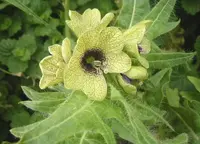
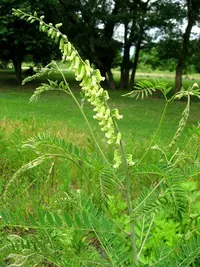
Black henbane (Hyoscyamus niger) is a short-lived, foul-scented herb in the nightshade family, grown mainly for historical and botanical interest. It forms a low rosette of soft, sticky, grey-green leaves, then sends up tall, branching stems with pale yellow flowers marked by dark purple veins.

This species is native to parts of Europe and western Asia and has naturalized in many temperate regions, often along roadsides and disturbed ground. It is generally considered difficult and risky to grow at home due to its strong toxicity, self-seeding habit, and specific germination needs.

It tends to prefer full sun, dry to moderately moist conditions, and well-drained, often calcareous soils, so anyone who wants to care for black henbane must handle it with extreme caution.

Main Plant Requirements

Care Difficulty

Moderate Care

Light Preference

Full Sun

Water Requirements

Moderate Water

Temperature Preference

Cool Climate

Hardiness Zone

4–8

Soil Texture

Sandy, Loamy, Rocky

Soil pH

Slightly acidic (6.5–7.0), Slightly alkaline (7.0–7.5)

Soil Drainage

Well-drained

Fertilization

Minimal (feed rarely)

Get Personalized Care Plan

Scan your plant to receive care tips personalized for your specific plant

Available on iOS and Android

How to Care for the black henbane

This plant prefers open, bright conditions similar to disturbed field edges and roadsides.

  • Provide 6–8 hours of direct sun daily; morning and early afternoon sun are ideal in temperate climates.
  • Tolerates light partial shade (3–4 hours sun), but flowering and seed production of black henbane decrease as shade increases.
  • In hot regions, protect from intense late-afternoon sun with light shade to reduce leaf scorch, especially in midsummer.

This species prefers slightly dry to moderately moist soil and does poorly in constantly wet conditions.

  • Allow the top 3–5 cm of soil to dry before watering; soil should feel dry to the touch but not rock hard or pulling from the sides of the bed.
  • Increase watering only during hot, windy periods when leaves wilt by midday and recover in the evening, a typical sign of mild drought stress in Hyoscyamus niger.
  • Ensure sharply drained soil with sand or grit; yellowing, soft stems and a sour smell in the root zone indicate overwatering and poor drainage.

This plant is adapted to cool to warm temperate climates with marked seasonal change.

  • Active growth occurs best at 60–75°F (16–24°C); germination and early rosette development are most reliable within this range.
  • Mature plants tolerate down to about 25°F (−4°C) with some damage; hard freezes below 20°F (−7°C) can kill first-year rosettes or roots.
  • In summer, it endures up to 85–90°F (29–32°C) if soil is not waterlogged; prolonged heat above 90°F (32°C) can reduce flowering and shorten lifespan.

This species tolerates a wide humidity range and rarely needs special humidity management in typical outdoor conditions.

This species prefers loose, well-drained mineral soils that do not stay wet after rain or watering.

  • Use a sandy or sandy-loam mix, such as 60% garden soil with 40% coarse sand or grit, to keep the root zone open and fast-draining.
  • Aim for slightly alkaline to neutral pH around 7.0–8.0; add a small amount of garden lime if the soil is notably acidic.
  • Incorporate modest organic matter, such as well-rotted compost, but avoid heavy peat mixes that hold water and reduce aeration.
  • Avoid compacted clay, waterlogged areas, or sites where water pools, as Hyoscyamus niger is prone to root problems in stagnant moisture.

This species can be grown in containers outdoors if the pot is prepared to drain very quickly.

  • Choose a deep, heavy container to anchor the tall, sometimes top-heavy growth against wind gusts so the pot does not tip over.
  • Use a very gritty mix and elevate the pot slightly on feet or bricks so drainage holes stay clear and water exits immediately.
  • Select light-colored containers in hot climates to reduce root-zone overheating, which can stress the plant and shorten its life cycle.

This short-lived, nutrient-tolerant species needs only modest feeding in most garden soils.

  • If soil is poor or very sandy, apply a light layer of compost in early spring before strong growth starts.
  • Use a low-dose balanced NPK fertilizer at half strength once at the start of the growing season if plants appear weak or pale.
  • Avoid repeated or heavy feeding, which can cause lush, floppy growth and reduce flowering in black henbane.
  • Do not fertilize during late fall or winter dormancy, as inactive roots cannot use added nutrients effectively.

Pruning Hyoscyamus niger is mainly a hygiene and safety task rather than a shaping practice.

  • Best time for pruning is late winter to early spring, before new growth, or immediately after flowering stems fade.
  • Remove dead, diseased, storm-damaged, or badly crowded stems using clean, sharp hand pruners or scissors.
  • Cut back spent flowering spikes at the base to reduce self-seeding and keep plants tidier in mixed plantings.
  • Wear gloves and avoid skin contact with sap or dried plant material due to the plant’s toxic alkaloids.

This species is usually grown outdoors and moved only a few times due to its taproot and short lifespan.

  • Transplant seedlings when young, in early spring, before the taproot thickens and resents movement.
  • Choose a sunny, well-drained site and avoid re-moving established plants unless absolutely necessary.
  • In containers, consider shifting to a larger pot only if roots circle the drainage holes or growth stalls.
  • Water thoroughly before and after transplanting to limit root stress, and keep soil evenly moist until re-established.

Reproduction of Hyoscyamus niger is typically done by seed rather than vegetative methods.

  • Sow fresh seeds in late summer or fall outdoors so they experience winter cold, which promotes germination.
  • For spring sowing, use cold stratification: chill moist seeds for 4–6 weeks at about 35–40°F before sowing.
  • Sow on the soil surface or barely cover, as seeds need light to germinate, and keep the mix just moist, not wet.
  • Allow a few mature plants to set seed if you want a self-sustaining population, but manage volunteers carefully.

This biennial is reasonably cold hardy in many temperate climates and usually needs only light winter care.

  • Established plants tolerate moderate frost, but young rosettes benefit from a loose mulch layer around the crown.
  • Apply 3–5 cm of straw, leaves, or compost in late fall to buffer soil temperature and reduce heaving.
  • In very cold regions or exposed sites, grow Hyoscyamus niger in containers and overwinter in a cool, frost-free place.

Care Tips

Use temporary staking

Install a slim stake or low ring support early in the season to prevent tall, top-heavy stems from lodging in wind or rain, then remove supports once flowering stems toughen and the plant sets seed.

Plan safe placement

Site plants away from play areas, edible beds, and high-traffic paths, and use clear labels or small fencing so children, pets, and visitors are not tempted to touch or taste any part of this toxic species when growing black henbane.

Control self-seeding

As seed capsules begin to dry and turn brown, bag or cut the inflorescences before they shatter so you can limit unwanted spread and keep volunteer seedlings from appearing in surrounding beds.

Rotate planting sites

Shift the planting area every 1–2 years to a fresh, well-drained spot to reduce buildup of soil-borne pathogens and maintain more vigorous plants.

Monitor for leaf miners

Check foliage weekly for pale, winding trails from leaf-miner larvae and remove affected leaves promptly to prevent further spread and preserve healthy leaf area.

Common Pests and Diseases

Leaf-mining flies

These insects tunnel between the upper and lower leaf surfaces, creating pale winding mines that can cause rapid yellowing and loss of foliage on stressed plants.

Solution

Remove and destroy mined leaves as soon as damage appears to break the life cycle, and avoid planting near existing infestations. Use yellow sticky traps to monitor adults and, if needed, apply a targeted spinosad-based spray to foliage, following label directions and avoiding times when beneficial insects are most active.

Aphids

These insects feed on tender shoots and flower stalks, causing curling, distortion, and sticky honeydew that can attract sooty mold on black henbane foliage.

Solution

Spray plants with a firm stream of water to dislodge colonies, then treat remaining clusters with insecticidal soap or a light horticultural oil, ensuring full coverage of leaf undersides. Encourage natural predators such as lady beetles by minimizing broad-spectrum insecticide use nearby.

Cercospora leaf spot

This disease produces small dark or tan spots with defined margins on leaves, which can merge into larger lesions and lead to premature leaf drop in humid conditions.

Solution

Remove and discard affected leaves promptly and avoid overhead watering to keep foliage dry. Improve spacing and airflow, rotate away from previous Solanaceae plantings, and where disease pressure is high, use a copper-based fungicide preventively on young foliage according to label instructions.

Powdery mildew

This disease appears as a white, powdery coating on upper leaf surfaces and stems, leading to reduced vigor and premature yellowing, especially in dense or shaded plantings.

Solution

Increase sun exposure and airflow by proper spacing and pruning of nearby vegetation, and remove heavily infected leaves. Apply a sulfur-based or potassium bicarbonate fungicide at the first sign of mildew, repeating as directed to protect new growth as part of broader Hyoscyamus niger care.

Interesting Facts

Toxic alkaloid cocktail

The plant produces a mix of tropane alkaloids, mainly hyoscyamine, scopolamine, and atropine, which act on the nervous system and make all parts of the plant highly poisonous to humans and many animals.

Nocturnal pollination strategy

Its pale, veined, funnel-shaped flowers with a strong, often unpleasant scent open to attract nocturnal pollinators such as moths, an adaptation that suits the plant’s preference for disturbed, open habitats.

Weedy ancient introduction

Although native to parts of Eurasia, it has spread widely as a weed along roadsides, waste ground, and old habitation sites, often tracing human activity and historical trade routes.

Botan icon

Did you know?

Archaeobotanical finds show that black henbane seeds and plant remains occur in many ancient and medieval European sites, including ritual contexts and latrines, providing rare direct evidence of how people once handled and disposed of this strongly psychoactive and toxic species.

FAQs about black henbane

Lack of flowers often comes from insufficient light, poor soil fertility, or stress from drought, transplanting, or pests. Ensure it experiences a cool period, receives enough sun, and avoid excessive nitrogen that promotes foliage over buds.

Grow Healthy Plants with Botan Care

Keep your plants happy and healthy with plant identification, disease detection, and easy care guidance.

Botan plant care app — identify plants on mobile

Explore More Plants