Control Sprawling Pads
Install low, rigid barriers (metal or thick plastic edging set 10–15 cm deep) around planting areas to keep spreading pads contained and simplify long-term management when growing tiger-pear outdoors.

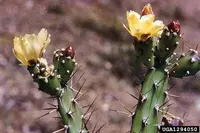
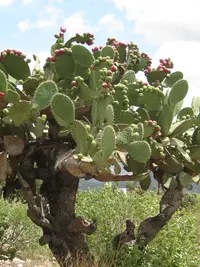
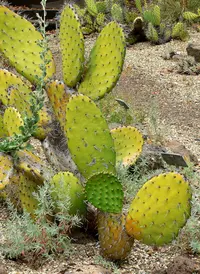
Tiger-pear (Opuntia aurantiaca) is a low-growing, branching cactus known for its dense pads covered in sharp spines and fine, irritating bristles called glochids. It often forms spreading clumps that creep along the ground, and in suitable climates can become an aggressive, invasive plant.
This species is native to South America but is now found in dry, warm regions in other parts of the world. It produces yellow to orange flowers followed by small, spiny fruits.
Opuntia aurantiaca is drought-tolerant and suits bright, sunny locations with well-drained, sandy or gritty soil. For those who want to learn how to care for tiger-pear, its main challenges are its spines, fast spread, and sensitivity to excess moisture.

Care Difficulty
Easy Care

Light Preference
Full Sun

Water Requirements
Low Water

Temperature Preference
Warm Climate

Hardiness Zone
8–11

Soil Texture
Sandy, Loamy, Rocky

Soil pH
Slightly acidic (6.5–7.0), Slightly alkaline (7.0–7.5)

Soil Drainage
Well-drained

Fertilization
Minimal (feed rarely)
Scan your plant to receive care tips personalized for your specific plant
Available on iOS and Android
Opuntia aurantiaca needs strong, direct sun to form compact pads and maintain healthy color.
This cactus stores water in its pads and needs infrequent, deep watering in fast-draining soil.
This species prefers warm, arid conditions and tolerates notable heat once established.
This cactus handles low household humidity easily and rarely needs special moisture management.
Opuntia aurantiaca prefers very fast-draining, mineral-rich soil that dries quickly between waterings.
This species grows well in containers when given stable, shallow, and well-drained conditions.
Opuntia aurantiaca grows well in poor soils but benefits from light feeding in active growth.
Pruning Opuntia aurantiaca is mainly for safety, shape control, and removing unhealthy pads.
Transplanting or repotting this vigorous cactus is occasional and should be done with care to avoid root and pad damage.
This species is commonly propagated from pads rather than seed due to speed and reliability.
This cactus has moderate cold tolerance but benefits from simple winter management in many climates.

Plant Health Check
Not sure what's wrong with your plant? Check your plant's health inside the app.
This cactus is a major invasive weed in South African and Australian grazing lands, forming dense, impenetrable thickets that reduce pasture quality and hinder livestock movement.
Detached stem segments root very easily and can form new plants after being moved by animals, machinery, or floodwater, which is a key reason it spreads so aggressively outside its native range.
In regions where it is invasive, such as South Africa, specialized moths (Cactoblastis cactorum) and cochineal insects have been used as biological control agents to significantly reduce its populations.

In parts of South Africa, this species is classified as a category 1 invasive plant under national legislation, which means it must be controlled or removed and is prohibited from being planted or traded.
This species spreads by segments that root wherever they touch soil, and by seeds carried by animals. In favorable dry climates it can form dense thickets, so physical barriers and regular removal of stray pads are important.
Keep your plants happy and healthy with plant identification, disease detection, and easy care guidance.