littlebell Care (Ipomoea triloba)

littlebell

About littlebell

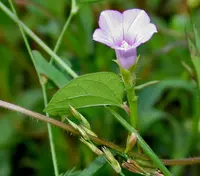
Littlebell, Ipomoea triloba, is a fast-growing twining vine in the morning glory family, valued for its small, funnel-shaped flowers. It often climbs fences, shrubs, or other supports, forming a light, tangled screen of heart-shaped leaves.

The species is native to tropical regions of the Americas but has spread to many warm, frost-free areas worldwide, where it may naturalize. It is generally easy to grow, as it germinates readily and adapts to a range of soils, though it prefers sun, warmth, and moderate moisture.

Because of its vigorous growth and self-seeding habit, it can become weedy outdoors in suitable climates. Gardeners who want to care for littlebell should consider both its ornamental value and its potential to spread.

Main Plant Requirements

Care Difficulty

Easy Care

Light Preference

Full Sun

Water Requirements

Moderate Water

Temperature Preference

Tropical / Frost Sensitive

Hardiness Zone

9–11

Soil Texture

Sandy, Loamy, Organic-rich

Soil pH

Acidic (5.5–6.5), Slightly acidic (6.5–7.0)

Soil Drainage

Well-drained

Fertilization

Light (every 4–6 weeks)

Get Personalized Care Plan

Scan your plant to receive care tips personalized for your specific plant

Available on iOS and Android

How to Care for the littlebell

Ipomoea triloba thrives in bright, direct sun for vigorous growth and flowering.

  • Provide 6–8 hours of direct sun daily, ideally with strong morning sun and lighter afternoon exposure in hotter regions.
  • Allow light partial shade (2–4 hours) in very hot climates to reduce leaf scorch, especially on thin or newly planted vines.
  • Watch for symptoms: pale, stretched stems signal too little light, while crisp, bleached patches on leaves indicate excessive midday sun, especially in summer.

This fast-growing vine prefers evenly moist, well-drained soil rather than constant wetness.

  • Water when the top 3–5 cm of soil feels dry, applying enough to moisten the root zone without leaving standing water.
  • Increase watering frequency in hot, windy weather and reduce it once growth slows in late fall or during cool, cloudy periods.
  • For Ipomoea triloba, yellowing, soft leaves and a sour smell suggest overwatering, while wilting, dry, crisp leaves and shrinking stems indicate underwatering.

This species performs best in consistently warm, frost-free conditions.

  • Aim for 70–85°F (21–29°C) for fastest growth and flowering, with stable warmth from late spring through early fall.
  • Protect from cold; growth slows below 60°F (16°C), and plants are usually damaged or killed by frost near 32°F (0°C).
  • The vine tolerates brief heat up to 95°F (35°C) if soil moisture is maintained, but prolonged extreme heat with dry soil can cause leaf scorch and flower drop.

This species grows well in typical outdoor humidity and does not usually need special humidity management.

  • Aim for 40–60% humidity, which most outdoor and porch environments naturally provide for this vine.
  • It tolerates short spells of drier air without damage, provided soil moisture is kept consistent and the plant is not heat-stressed.
  • Watch for leaf edge browning and slow new growth during very dry, hot weather, and use mulch or nearby planting to slightly buffer humidity around littlebell.

This vine prefers loose, well-drained, moderately fertile soil that does not stay wet for long periods.

  • Use a light loam or sandy loam with plenty of organic matter, such as compost, to support fast root growth.
  • Ensure rapid drainage; in containers or raised beds, blend roughly 60–70% all-purpose potting mix with 30–40% coarse sand or perlite.
  • Aim for slightly acidic to neutral pH, around 6.0–7.0, since strongly alkaline or very acidic soils can limit nutrient uptake.
  • Avoid heavy, compacted clay or spots where water pools after rain; if soil is dense, loosen it 20–30 cm deep and mix in coarse material for aeration.

This twining annual is very suitable for container growing on balconies, patios, and small gardens.

  • Choose a container at least 25–30 cm deep and wide to allow strong root development and support vigorous vine growth.
  • Select a heavier pot material, such as ceramic or thick plastic, to provide stability as the plant climbs a trellis or support.
  • Raise the container slightly on pot feet or bricks so drainage holes stay clear and runoff can escape quickly after watering.

Ipomoea triloba responds well to light feeding during its warm-season growth but does not need heavy fertilization.

  • Use a balanced liquid fertilizer (for example 10-10-10) at 1/2 strength every 3–4 weeks in spring and summer.
  • Alternatively, mix a small amount of slow-release balanced granules into the soil at planting time.
  • In fertile garden soil, a thin layer of compost around the root zone once in spring is usually enough.
  • Stop feeding in fall and winter to avoid weak, lanky growth when light is low.

Pruning helps keep Ipomoea triloba vines manageable and encourages denser growth and flowering.

  • Trim in late spring or early summer once the risk of frost has passed and plants are growing strongly.
  • Remove dead, damaged, or diseased stems first, then thin tangled or overcrowded vines to improve airflow.
  • Shorten excessively long shoots to control spread and encourage side branching and more blooms.
  • Use clean, sharp hand pruners and make cuts just above a leaf node to reduce dieback.

This fast annual vine is usually grown from seed each year, so transplanting young plants is more common than long-term repotting.

  • Transplant seedlings outdoors in late spring once soil is warm and all frost danger has passed.
  • Shift container plants only if roots circle the pot or growth slows despite good light and water.
  • Choose a slightly larger container with drainage holes and a light, well-drained potting mix to limit stress.
  • Water thoroughly after transplanting, then keep soil evenly moist and shaded from harsh midday sun for 2–3 days.

Ipomoea triloba is most often propagated from seed, which makes starting new plants straightforward for most growers.

  • Sow seeds in spring after frost, either indoors 4–6 weeks early or directly outdoors in warm soil.
  • Scarify hard seed coats by gently nicking or soaking seeds in warm water for 12–24 hours to improve germination.
  • Provide 70–80°F warmth, bright light, and lightly moist, well-drained seed mix until seedlings establish.
  • Soft stem cuttings in late spring can also root in moist, well-aerated medium under high humidity.

In most climates Ipomoea triloba behaves as a frost-sensitive annual that dies back with cold weather and needs no elaborate winter care.

  • Plants are damaged at frost and killed by sustained temperatures below 32°F.
  • Allow top growth to die back naturally, then remove and compost vines to reduce self-seeding if unwanted.
  • In very mild, frost-free areas, a light mulch over the root zone can help perennialized plants overwinter.

Care Tips

Early trellis training

Install a light trellis, netting, or string lines before vines reach 15–20 cm, then gently twine young shoots around the support every few days so stems harden in the desired direction and do not tangle on the ground.

Pinch for branching

When the main stems are 20–30 cm long, pinch out just the soft growing tip between your fingers to encourage side shoots and a denser flowering screen instead of one long, sparse vine.

Sequential sowing strategy

For a longer bloom window, sow a small batch of seeds every 2–3 weeks in late spring and early summer so new vines start flowering as older ones begin to decline.

Root zone mulching

Apply a 2–5 cm layer of loose organic mulch around, but not touching, the stems to keep roots cooler, reduce surface evaporation, and limit weed competition without waterlogging the soil surface.

Seasonal sanitation

At the end of the growing season, remove and dispose of all old vines and nearby fallen leaves rather than composting them, which lowers the risk of carrying over pests and diseases into the next cycle of growing littlebell.

Common Pests and Diseases

Sweetpotato weevil

This pest bores into stems and storage roots, causing wilting, stunting, and internal tunneling that weakens vines and reduces vigor.

Solution

Remove and destroy heavily infested vines, avoid leaving volunteer plants or crop debris, and rotate away from other Ipomoea species for at least 2–3 years; in outdoor plantings use fine mesh row covers to block adults, and if needed apply a spinosad-based product directed at stems while following local guidelines for Ipomoea triloba plant care.

Leafminers

These insects create winding, pale tunnels inside leaves, which reduces photosynthetic area and can cause premature yellowing and drop of foliage.

Solution

Pinch off and dispose of leaves with fresh mines, encourage natural predators by avoiding broad-spectrum insecticides, and where pressure is high use yellow sticky traps and a neem oil or spinosad spray targeting young larvae on new growth.

Fusarium wilt

This disease causes progressive yellowing, one-sided wilting of vines, and brown discoloration in the vascular tissue of stems, often leading to dieback in warm conditions.

Solution

Promptly remove and destroy affected plants, avoid overhead watering and waterlogged soils, improve drainage and spacing for better airflow, and do not replant Ipomoea or sweetpotato in the same soil for several seasons to reduce pathogen buildup.

Rust

This disease produces small orange to brown pustules on the underside of leaves, with yellow spots on the upper surface and eventual leaf drop under humid, crowded conditions.

Solution

Space vines to increase airflow, water at soil level rather than over foliage, remove and discard infected leaves, and if the problem persists apply a sulfur or copper-based fungicide labeled for ornamental vines according to instructions.

Spider mites

These pests feed on leaf undersides, causing fine stippling, bronzing, and delicate webbing, especially during hot, dry weather or in dry indoor air.

Solution

Rinse foliage thoroughly with a strong but gentle stream of water, increase humidity around the plant, and treat persistent infestations with repeated applications of insecticidal soap or horticultural oil, ensuring full coverage of leaf undersides.

Interesting Facts

Twining growth habit

This species is a slender, twining vine that wraps around nearby plants or supports in a right-handed spiral, allowing it to climb quickly through surrounding vegetation in warm climates.

Distinctive three-lobed leaves

Its common name, littlebell, comes from its small bell-shaped flowers, but it also has characteristic three-lobed leaves that help distinguish it from other small-flowered morning glory relatives.

Weedy colonizer behavior

In many tropical and subtropical regions, this plant behaves as a short-lived weed, readily colonizing disturbed soils, crop edges, and roadsides, where its rapid growth can compete with young agricultural plants.

Botan icon

Did you know?

Genetic and field studies in several regions have shown that this species often forms part of a complex of closely related, small-flowered morning glories, making correct identification important in ecological surveys and weed management research.

FAQs about littlebell

This vine grows quickly in warm conditions, often reaching several meters in a single season. Growth speeds up with long, bright days, regular moisture, and fertile soil, and slows markedly in cool weather or poor nutrition.

Grow Healthy Plants with Botan Care

Keep your plants happy and healthy with plant identification, disease detection, and easy care guidance.

Botan plant care app — identify plants on mobile

Explore More Plants