Pomelo Care (Citrus maxima)

Also known as: shaddock, Pummelo
Pomelo

About Pomelo

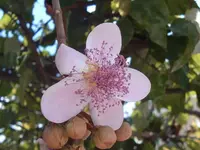
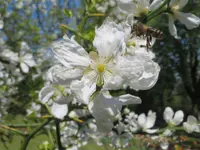
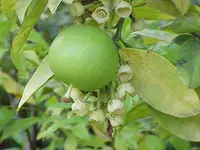
Pomelo, Citrus maxima, is a large citrus tree known for its very big, thick-rinded fruits with pale yellow to pink flesh and a mild, sweet-tart flavor. It is one of the oldest citrus species and a parent of the modern grapefruit.

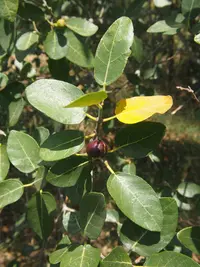
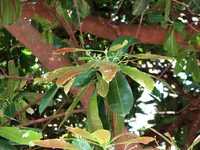
In nature it grows as a small to medium tree with a rounded crown and glossy, deep green leaves. It is native to Southeast Asia but is now cultivated in many warm, subtropical and tropical regions.

The plant prefers full sun, warmth, and well-drained, moderately fertile soil, and it dislikes prolonged cold or waterlogging. With suitable climate or protected conditions, it is a rewarding but moderately demanding fruit tree to care for Pomelo.

Main Plant Requirements

Care Difficulty

Moderate Care

Light Preference

Full Sun

Water Requirements

Moderate Water

Temperature Preference

Tropical / Frost Sensitive

Hardiness Zone

10–11

Soil Texture

Sandy, Loamy, Organic-rich

Soil pH

Acidic (5.5–6.5), Slightly acidic (6.5–7.0)

Soil Drainage

Moist but well-drained

Fertilization

Moderate (every 2–4 weeks)

Get Personalized Care Plan

Scan your plant to receive care tips personalized for your specific plant

Available on iOS and Android

How to Care for the Pomelo

Citrus maxima performs best in stable, bright conditions with strong but not scorching sun exposure.

  • Provide 6–8 hours of direct sun daily, ideally with morning sun and light afternoon shade in hot climates to protect leaves from scorch.
  • Young or newly planted Pomelo trees benefit from some filtered light during the hottest midday hours, especially in zones with intense summer sun.
  • In winter, ensure trees receive maximum available light; sparse, weak shoots and poor flowering indicate insufficient sun and may require relocating to a more open site.

Citrus maxima requires consistent moisture in well-drained soil that never stays waterlogged.

  • Allow the top 3–5 cm of soil to dry before deep watering, ensuring moisture reaches the full root zone rather than just the surface.
  • In spring and summer, check soil more often, while in cooler months extend intervals as growth slows and evaporation drops.
  • Yellowing, soft leaves and sour-smelling soil suggest overwatering and poor drainage, while dull, curling leaves and dry, hard soil indicate underwatering.

Stable, warm temperatures support healthy growth, flowering, and fruiting for this citrus species.

  • Aim for 70–85°F (21–29°C) during active growth, with brief peaks up to 95°F (35°C) tolerated if soil moisture is maintained.
  • Avoid exposing trees to temperatures below 40°F (4°C); damage often begins near 32°F (0°C), and hard frost can kill young tissue.
  • In cooler regions, position trees in a protected microclimate that offers winter warmth, such as near a south-facing wall, and shelter from cold winds.

Citrus maxima prefers moderate humidity and tolerates typical indoor air if not extremely dry.

  • Aim for 40–60% humidity; brief drops lower are tolerated but prolonged very dry air weakens foliage.
  • Brown, crispy leaf edges and slow new growth indicate low humidity stress in Pomelo.
  • Increase humidity with a nearby open tray of water and stones or by grouping plants, rather than misting leaves.

Citrus maxima needs loose, well-aerated, fast-draining soil to keep roots healthy and oxygenated.

  • Use a loamy, slightly sandy mix with high organic matter that crumbles easily in the hand.
  • Aim for slightly acidic soil, pH 6.0–6.8, to support nutrient availability and avoid leaf yellowing.
  • Combine 2 parts peat or coir-based potting mix with 1 part compost and 1 part perlite or coarse sand.
  • Avoid heavy clay, compacted ground, or mixes that stay wet longer than 2–3 days after watering.

This species adapts well to container growing when root space and drainage are carefully managed.

  • Choose a deep, wide container that allows a strong taproot and lateral roots to develop without circling tightly.
  • Use a sturdy, weighty pot material such as thick terracotta or ceramic to stabilize the top-heavy canopy in wind.
  • Raise the pot on feet or bricks so drainage holes stay clear and excess water leaves the container quickly after rain or irrigation.

Citrus maxima responds well to consistent, moderate nutrition during its active growing season.

  • Use a balanced citrus fertilizer (for example 10-10-10) or slow-release granules, following label rates for fruit trees.
  • Feed every 4–6 weeks in spring and summer; reduce to 1 light application or none in fall and winter.
  • Apply at half-strength for container plants, and water thoroughly after feeding to prevent root burn.
  • Incorporate compost or well-rotted manure annually around the drip line to support long-term soil fertility when caring for Pomelo.

Citrus maxima benefits from light structural pruning to maintain a healthy, productive canopy.

  • Carry out main pruning in late winter to early spring, before strong new growth starts.
  • Remove dead, diseased, crossing, or inward-growing branches to improve airflow and light penetration.
  • Shorten overly long shoots to maintain height and spread, encouraging sturdy framework branches and better fruiting wood.
  • Use clean, sharp bypass pruners or loppers, making smooth cuts just above outward-facing buds or branch collars.

Citrus maxima in containers or young field trees needs thoughtful transplanting to limit root stress and support steady growth.

  • Look for roots circling the pot base, water running straight through, or slowed growth as signs it needs a larger container or planting site.
  • Plan transplanting or potting-up for late winter to early spring, aiming for every 2–3 years in containers.
  • Choose a slightly larger pot with free-draining citrus mix, or a ground site with deep, well-drained soil and full sun exposure.
  • Handle the root ball gently, loosen only lightly matted roots, water deeply after planting, and shade temporarily if sun or wind is intense.

Citrus maxima is most reliably propagated by seed or grafting onto compatible citrus rootstocks for predictable growth and fruiting.

  • Sow fresh seeds in spring in a warm, bright spot at 70–80°F, using sterile, free-draining seed mix kept evenly moist.
  • Expect seedlings to vary from the parent; grafting scion wood onto quality rootstock maintains known fruit characteristics.
  • Take semi-hardwood cuttings in late spring to summer, using rooting hormone and high humidity, though success rates may be modest.
  • Provide bottom warmth, bright indirect light, and good air circulation to reduce rot during germination or rooting.

Citrus maxima is frost-sensitive and needs active winter management in regions with freezing temperatures.

  • In climates below 28–30°F, grow in containers or sheltered sites so plants can be moved or protected.
  • Before hard frost, mulch the root zone with 5–10 cm of straw, bark, or leaves, keeping material off the trunk.
  • Wrap trunks and lower branches with breathable frost cloth or horticultural fleece during cold snaps to limit tissue damage.
  • For container plants, shift indoors or into an unheated greenhouse, providing bright light and slightly reduced watering.

Care Tips

Rootstock selection

Use a suitable citrus rootstock such as trifoliate orange or Flying Dragon for better cold tolerance, size control, and disease resistance when growing Pomelo in marginal climates or containers.

Branch angle training

While branches are still flexible, gently spread and tie young limbs to wider crotch angles (45–60°) to improve structural strength, light penetration, and future fruit load capacity.

Fruit thinning

After natural fruit drop, remove excess small or clustered fruits so that remaining pomelos are spaced 15–20 cm apart, which reduces branch breakage and improves final fruit size and quality.

Wind and weight support

Install sturdy stakes or a simple post-and-wire system and loosely tie heavily fruiting branches to supports to prevent splitting or snapping under wind or crop weight.

Targeted pest scouting

Inspect new flushes and the undersides of leaves every 7–10 days for scale, citrus leafminer, and aphids, and act early with appropriate controls to avoid larger infestations that are harder to manage when caring for Pomelo.

Common Pests and Diseases

Asian citrus psyllid

This pest feeds on young pomelo shoots and is the main vector of huanglongbing (citrus greening) bacteria. Symptoms include distorted new leaves, yellowing, and overall decline over time.

Solution

Monitor flushes of new growth frequently and prune out heavily infested shoots. Use a firm spray of water or insecticidal soap to remove nymphs, and in outdoor plantings follow local extension guidelines for systemic controls and huanglongbing surveillance as part of broader Citrus maxima care.

Citrus leafminer

This pest is a tiny moth whose larvae tunnel inside young pomelo leaves, causing silvery serpentine mines and leaf distortion. This damage reduces photosynthesis and stresses young trees and container plants.

Solution

Remove and discard mined young leaves before larvae mature, and avoid heavy pruning that stimulates constant tender flushes. Use horticultural oil on new growth during peak moth activity, making sure to cover the undersides of leaves without spraying during high heat.

Citrus canker

This disease causes raised, corky lesions with yellow halos on leaves, twigs, and fruit of pomelo. Severe infections lead to leaf drop, twig dieback, and blemished fruit.

Solution

Prune out and destroy infected twigs and badly spotted leaves, disinfecting tools between cuts with 10% bleach or 70% alcohol. Improve canopy airflow, avoid overhead watering, and in outdoor groves follow local regulations for resistant rootstocks, windbreaks, and copper-based protective sprays where allowed.

Greasy spot

This disease is a fungal leaf spot that causes yellow speckles on pomelo leaves, later turning into dark, slightly raised oily-looking spots and premature leaf drop. Older leaves are usually affected first, reducing tree vigor over time.

Solution

Rake and remove fallen leaves to lower the source of fungal spores, and avoid wetting foliage late in the day. In humid regions, apply a labeled copper or oil-based fungicide preventively to mature leaves during the warm, wet season, following all safety and timing directions.

Citrus red mite

These insects are tiny mites that feed on pomelo leaves, causing leaf bronzing, stippling, and sometimes premature drop, especially in hot, dry conditions. Fine webbing may be visible on the undersides of heavily infested leaves.

Solution

Rinse foliage thoroughly with water to knock mites off and reduce dust buildup that favors them. If populations remain high, apply horticultural oil or a labeled miticide, making sure to fully coat leaf undersides and avoiding applications during very high temperatures to prevent leaf burn.

Interesting Facts

Largest true citrus

This species is the largest of all true citrus fruits, with individual pomelos often much bigger and heavier than grapefruits, which are hybrids derived in part from it.

Ancestor of grapefruit

Genetic studies show that grapefruit (Citrus × paradisi) originated as a natural hybrid between Citrus maxima and sweet orange, making pomelo a key parent of this commercially important crop.

Thick, functional rind

The unusually thick, spongy rind protects the fruit from damage when it falls and helps it float, which may aid seed dispersal by water in its native and early cultivated habitats.

Botan icon

Did you know?

Archaeobotanical and historical evidence indicates that Citrus maxima was domesticated in Southeast Asia thousands of years ago and then spread widely through ancient trade routes, becoming one of the foundational species used to create many of today’s cultivated citrus hybrids.

FAQs about Pomelo

Yellowing leaves usually come from nutrient deficiencies, overwatering, or poor drainage. Check for soggy soil, compacted roots, or lack of fertilizer. Correct watering first, then apply a balanced citrus fertilizer according to label directions.

Grow Healthy Plants with Botan Care

Keep your plants happy and healthy with plant identification, disease detection, and easy care guidance.

Botan plant care app — identify plants on mobile

Explore More Plants