Physalis lagascae Care

Physalis lagascae

About Physalis lagascae

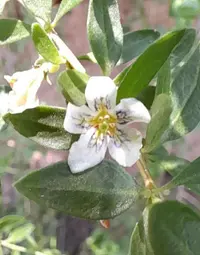
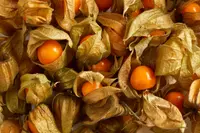
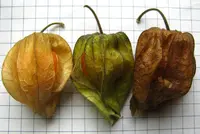
Physalis lagascae is a small annual herb in the nightshade family, related to husk tomatoes and groundcherries. It typically has branching, slender stems with simple leaves and small, pale flowers. Later, it forms characteristic papery husks that enclose the developing fruit, giving the plant a delicate, lantern-like look.

This species is native to parts of the Mediterranean and adjacent regions, where it often grows in disturbed, open sites. It tends to be fast-growing but somewhat short-lived, and can self-seed under suitable conditions, which influences how to care for Physalis lagascae in gardens.

In cultivation it generally prefers sunny exposure, moderately moist but well-drained soil, and protection from prolonged waterlogging or cold.

Main Plant Requirements

Care Difficulty

Moderate Care

Light Preference

Full Sun

Water Requirements

Moderate Water

Temperature Preference

Warm Climate

Hardiness Zone

Unknown

Soil Texture

Sandy, Loamy, Organic-rich

Soil pH

Acidic (5.5–6.5), Slightly acidic (6.5–7.0)

Soil Drainage

Well-drained

Fertilization

Light (every 4–6 weeks)

Get Personalized Care Plan

Scan your plant to receive care tips personalized for your specific plant

Available on iOS and Android

How to Care for the Physalis lagascae

This sun-loving annual needs strong light for compact growth and good flowering.

  • Provide 6–8 hours of direct sun daily, ideally with morning sun and light afternoon shade in very hot summers to reduce leaf scorch.
  • Tolerates light partial shade (3–4 hours direct sun), but Physalis lagascae may grow taller, produce fewer flowers, and set less fruit.
  • In spring and fall, allow maximum sun exposure; in mid-summer, protect from reflected heat off walls or pavement that can overheat foliage.

This species prefers steadily moist, well-aerated soil without staying saturated.

  • Water when the top 3–5 cm of soil feels dry, using a slow, deep soak that moistens the root zone rather than frequent shallow splashes.
  • During active growth and fruiting, expect to water more often in hot, windy weather and less after cool, cloudy spells or substantial rainfall.
  • Watch for yellowing, soft leaves or a sour soil smell as signs of overwatering; dry, curling leaves and slow recovery after sun exposure indicate underwatering.

Stable warm conditions support strong growth and fruiting for this warm-season plant.

  • Aim for 70–85°F (21–29°C) for vigorous growth, with good airflow to reduce heat stress and disease pressure.
  • Plants tolerate down to about 50°F (10°C) but growth slows; any frost near 32°F (0°C) can damage or kill foliage and young shoots.
  • In hot spells above 90°F (32°C), expect some flower drop; provide mulch and soil moisture to buffer roots from extreme surface heating.

This species grows well in typical indoor humidity if extremes are avoided.

  • Aim for 40–60% humidity to prevent leaf edge browning and flower drop.
  • It tolerates short periods of dry air, but prolonged humidity below 30% may slow growth and bud formation.
  • Increase humidity by grouping plants or placing the pot on a pebble tray, avoiding direct misting on flowers.

This species prefers light, well-drained, moderately fertile soil that does not stay waterlogged.

  • Use a loose loam or sandy loam structure with 30–40% compost for nutrients and organic matter.
  • Ensure free drainage by blending perlite or coarse sand at 20–30% of the mix to keep roots aerated.
  • Maintain soil pH around 6.0–7.0, slightly acidic to neutral, for optimal nutrient availability.
  • For Physalis lagascae, avoid heavy clay, unamended garden soil, or dense peat mixes that compact and hold standing water.

This plant is suitable for container growing when given enough root space and strong drainage.

  • Choose a deep pot at least 25–30 cm tall to accommodate the taproot and stabilize upright growth.
  • Select a slightly heavier container material, such as thick terracotta, to reduce tipping as stems branch and fruit develop.
  • Raise the pot on feet or bricks so drainage holes never sit in collected runoff, preventing chronic soggy conditions at the base.

This species grows on relatively lean soils and usually needs only light feeding in cultivation.

  • Apply a balanced liquid fertilizer at half strength every 4–6 weeks during spring–summer if growth or flowering is weak.
  • Use compost or well-rotted manure as a thin top-dressing to support soil life rather than force rapid growth.
  • Avoid high-nitrogen products that push soft, leggy stems and reduce flowering potential in Physalis lagascae.
  • Stop feeding in late summer so plants can harden growth before cooler weather and any dormant period.

Light, targeted pruning keeps this plant tidy and encourages healthy flowering shoots.

  • Carry out main pruning in late winter or early spring before strong new growth starts.
  • Remove dead, damaged, or diseased stems first, then thin crowded or crossing shoots to improve light and airflow.
  • Shorten overly long stems to shape the plant and support upright, balanced growth and fruiting.
  • Use clean, sharp hand pruners and make cuts just above a healthy node to reduce infection risk.

This annual-type Physalis is usually grown from seed each year, but young plants can be moved if needed.

  • Transplant seedlings outdoors after frost when they have several true leaves and roots lightly fill the starter cell or pot.
  • Space plants so roots are not crowded; disturb the root ball as little as possible to limit stress.
  • Water thoroughly before and after transplanting, and plant at the same soil depth as before.
  • Provide shade and consistent moisture for 2–3 days after moving plants to help them re-establish.

Propagation of this species is usually done from seed rather than vegetative methods.

  • Collect ripe fruits and clean seeds, then sow in late winter–early spring under cover or in a protected area.
  • Use a free-draining seed mix, keep it evenly moist, and maintain 65–75°F for reliable germination.
  • Sow seeds shallowly, just covered with mix, since small seeds benefit from some light exposure.
  • Thin or prick out seedlings once they have 2–3 true leaves, handling by the leaves, not the stems.

In most climates this Physalis behaves as a frost-sensitive annual and does not need complex winter care.

  • Plants are usually killed by the first hard frost and can be removed and composted after foliage blackens.
  • In mild, frost-free areas, a light mulch can help roots of any surviving plants through cooler months.
  • Container specimens in cooler zones can be discarded after seed collection instead of overwintering.

Care Tips

Wind protection

Use low windbreaks such as mesh fencing or taller companion plants to shield stems from strong winds that can snap growth and damage the papery husks around developing fruits.

Targeted staking

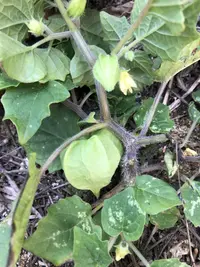
Install individual thin stakes and loosely tie heavier, fruiting branches to keep them off the soil surface, which reduces rot and slug damage while improving air movement around the plant.

Sequential sowing

Sow a small batch of seeds every 2–3 weeks in late winter to early spring so plants reach fruiting maturity in waves, extending the harvest window and reducing periods of fruit glut.

Fruit maturity check

Harvest when husks turn from green to a dry, papery texture and fruits drop easily with a light touch, as picking too early reduces flavor and picking too late increases losses to pests and ground rot.

Sanitation for replanting

Remove and discard old plant debris and volunteer seedlings from the previous season before replanting, which breaks pest and disease cycles and improves success when growing Physalis lagascae in the same area.

Common Pests and Diseases

Whiteflies

These insects feed on the underside of leaves, causing yellowing, leaf drop, and sticky honeydew that can lead to sooty mold on Physalis foliage and husks. This pest often builds up in warm, sheltered spots around densely grown plants.

Solution

Control by regularly checking the undersides of leaves, then dislodging adults and nymphs with a strong stream of water and removing heavily infested foliage. For ongoing pressure, use yellow sticky traps and apply insecticidal soap or neem oil, repeating at 5–7 day intervals until new growth is clean; avoid spraying flowers directly to protect pollinators.

Leafminers

These insects create pale, winding tunnels inside Physalis leaves, which can reduce photosynthesis and weaken young plants. This pest is especially common where other Solanaceae such as tomato and eggplant are grown nearby.

Solution

Remove and discard mined leaves as soon as trails appear to break the life cycle before larvae pupate in the soil. In larger infestations, use lightweight row covers to exclude adult flies, rotate with non-solanaceous crops, and apply neem-based products to young foliage, focusing on the timing when fresh eggs are expected on new leaves.

Tomato fruitworm

This pest bores into the inflated husks and feeds on the green or ripening berries, leading to deformed, partially eaten, or prematurely dropping fruits. Symptoms include small entry holes in the calyx and frass (chewed material) near damaged fruits.

Solution

Hand-pick and destroy affected fruits and any visible caterpillars, then clean up dropped husks and crop residues at the end of the season to limit overwintering. In areas with recurring problems, use pheromone traps for monitoring, encourage natural predators, and consider targeted Bacillus thuringiensis (Bt) sprays on young larvae in the evening when plants are dry.

Powdery mildew

This disease appears as white, powdery patches on upper leaf surfaces, leading over time to yellowing, leaf curl, and reduced fruit set. Symptoms include faster spread in warm, dry conditions combined with poor air circulation around dense Physalis canopies.

Solution

Improve airflow by thinning crowded stems and avoiding overhead watering, then remove and discard the most affected leaves without composting them. For active infections, apply sulfur or potassium bicarbonate products labeled for edible crops, treating both leaf surfaces and repeating according to label directions, while avoiding applications during very hot weather to prevent leaf burn.

Viral mosaic complex

This disease causes mottled, light-and-dark green patterns on leaves, distortion, stunting, and poor fruit development, often introduced by aphids or contaminated tools from other solanaceous crops. Symptoms include irregular leaf shapes and reduced vigor that do not improve with better watering or nutrition.

Solution

Remove and destroy symptomatic plants promptly, including roots, to reduce the virus reservoir, and never save seed from affected plants. Manage aphids with water sprays and insecticidal soap, disinfect tools between plants, and separate Physalis from tomatoes, peppers, and related hosts to limit virus spread; use only certified clean seed or transplants when growing Physalis lagascae.

Interesting Facts

Native Iberian annual

Physalis lagascae is an annual species native to the Iberian Peninsula and adjacent Mediterranean areas, where it typically grows as a short-lived herb in disturbed, open habitats such as field margins and roadsides.

Distinctive inflated calyx

After flowering, its sepals enlarge to form a thin, papery, lantern-like calyx around the developing berry, a hallmark of the genus that in this species is relatively small and delicate compared with cultivated relatives like cape gooseberry.

Small, inconspicuous flowers

Its flowers are typically small, pale yellow to whitish, and not strongly marked, which makes the plant easy to overlook outside of fruiting season when the inflated husks are more visible than the blooms themselves.

FAQs about Physalis lagascae

Fruits are generally considered edible when fully ripe, but flavor and quality are variable and not as reliable as domesticated Physalis crops. Avoid eating unripe green fruits and foliage, which may contain higher levels of potentially irritating compounds.

Grow Healthy Plants with Botan Care

Keep your plants happy and healthy with plant identification, disease detection, and easy care guidance.


Botan plant care app — identify plants on mobile

Explore More Plants