Succession Sowing
Sow a small patch every 2–3 weeks during the suitable season so plants stay in their most productive stage and you always have young, tender foliage to harvest.

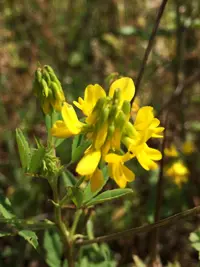
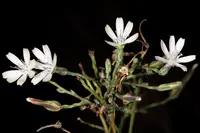
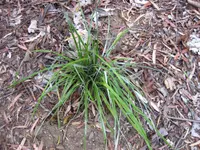
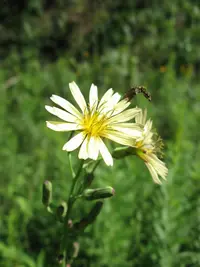
Trigonella esculenta is a small annual herb in the legume family, related to fenugreek. It typically forms low, branching clumps with delicate trifoliate leaves and small, pale flowers.
This species is native to parts of the Mediterranean and nearby regions, where it grows in open, sunny habitats with well-drained soils. Its modest size and relatively fast life cycle make it manageable for home growers who want to care for Trigonella esculenta without complex setups.
The plant prefers bright light, moderate moisture, and loose, low-competition soil, and it generally stays compact rather than sprawling aggressively.

Care Difficulty
Moderate Care

Light Preference
Full Sun

Water Requirements
Moderate Water

Temperature Preference
Warm Climate

Hardiness Zone
Unknown

Soil Texture
Sandy, Loamy, Organic-rich

Soil pH
Slightly acidic (6.5–7.0), Neutral (7.0)

Soil Drainage
Well-drained

Fertilization
Light (every 4–6 weeks)
Scan your plant to receive care tips personalized for your specific plant
Available on iOS and Android
This annual herb prefers bright conditions with moderate protection from intense midday sun.
This plant prefers evenly moist but not saturated soil throughout its growing season.
This species grows best in mild, temperate conditions without frost or extreme heat.
This herb grows well in typical indoor or outdoor humidity and rarely needs special humidity management.
This annual herb prefers light, well-drained soil that stays slightly moist but not waterlogged.
This species is well suited to container growing for small-space herb gardens.
This species is usually grown in average garden soil and needs only light, targeted feeding during its active season.
Trigonella esculenta benefits from light, purposeful pruning to maintain healthy, compact growth.
This plant is usually treated as a short-lived annual or seasonal crop, so transplanting is more common than long-term repotting.
Most propagation of this species relies on seeds, which establish quickly under suitable conditions.
This species is generally grown as a warm-season plant and does not tolerate hard frost or prolonged freezing.

Plant Health Check
Not sure what's wrong with your plant? Check your plant's health inside the app.
This species is an annual herb in the pea family (Fabaceae) that naturally occurs in dry Mediterranean-type habitats, where it completes its life cycle quickly before summer drought intensifies.
Like many legumes, it forms symbioses with Rhizobium bacteria in root nodules, which convert atmospheric nitrogen into forms usable by plants and can improve soil fertility over time.
The plant produces small, hard seeds in pods; in its native range these are sometimes used locally as a minor food ingredient, although it has never reached the agricultural importance of common fenugreek, Trigonella foenum-graecum.

In some Mediterranean regions, field botanists use its subtle differences in flower structure and seed pod morphology compared with related Trigonella species as a teaching example of how closely allied plants can be reliably identified using careful floral and fruit characters.
This species is considered edible and is mainly valued for its aromatic seeds, used dried or ground as a spice. Always confirm correct identification and avoid plants treated with pesticides or grown in contaminated soil before consumption.
Keep your plants happy and healthy with plant identification, disease detection, and easy care guidance.