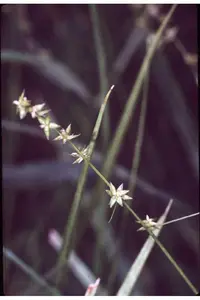
shoreline sedge Care (Carex hyalinolepis)

shoreline sedge

About shoreline sedge

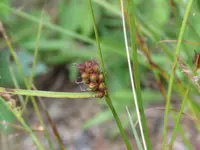
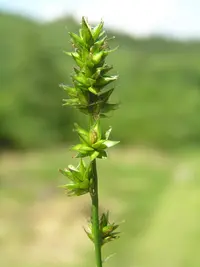
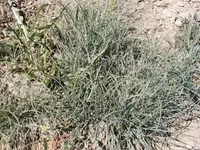
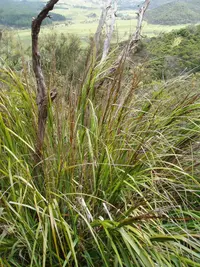
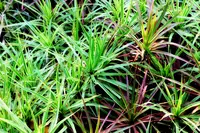
Shoreline sedge (Carex hyalinolepis) is a clump-forming, grass-like perennial native to wet habitats across much of eastern and central North America. It typically grows in dense, arching tufts with narrow, bright to yellow-green leaves. Plants often form colonies along ponds, streams, and marshy edges, where their fibrous roots help stabilize soil. This sedge prefers consistently moist to wet conditions and tolerates seasonal flooding better than drought. It suits naturalistic plantings, rain gardens, and restoration sites rather than small, dry containers. Understanding how to care for shoreline sedge starts with matching its need for ample moisture, sun to light shade, and organic, steadily damp soil.

Main Plant Requirements

Care Difficulty

Moderate Care

Light Preference

Full Sun

Water Requirements

Aquatic

Temperature Preference

Warm Climate

Hardiness Zone

5–9

Soil Texture

Loamy, Silty, Organic-rich

Soil pH

Acidic (5.5–6.5), Slightly acidic (6.5–7.0)

Soil Drainage

Waterlogged tolerant

Fertilization

Minimal (feed rarely)

Get Personalized Care Plan

Scan your plant to receive care tips personalized for your specific plant

Available on iOS and Android

How to Care for the shoreline sedge

This wetland sedge prefers bright conditions and adapts well to full sun to light shade outdoors.

  • Aim for 4–8 hours of sun daily; full morning sun with light afternoon shade suits most climates.
  • In cooler regions, shoreline sedge can handle all-day sun, but in hot summers protect from intense 1–4 p.m. sun to prevent leaf scorch.
  • In deep shade, plants grow thin and floppy; if blades elongate and lean, move to a brighter spot or reduce competing shade.

This species is adapted to consistently moist to wet soils and does not tolerate drying out for long.

  • Keep soil evenly moist to saturated; in garden beds near water features, allow the surface to just stop glistening before it dries and then re-wet.
  • During hot, windy weather, monitor daily; wilting or gray-green, curling blades indicate underwatering, while foul odor or slimy roots suggest chronic waterlogging without oxygen.
  • In heavy clay or compacted soil, use shallow standing water or very slow drainage for Carex hyalinolepis rather than fast-draining, sandy sites.

This sedge is a hardy, temperate wetland plant that withstands a wide range of outdoor temperatures.

  • Optimal growth occurs around 65–80°F (18–27°C) during the growing season, especially with ample soil moisture.
  • Mature plants tolerate winter lows near 0–5°F (-18 to -15°C) when crowns are in the ground; foliage may brown but regrowth usually follows in spring.
  • In summer heat above 90°F (32°C), growth slows; maintain high soil moisture and, in exposed sites, provide some afternoon shade to limit stress.

This sedge prefers moderately moist air but usually adapts to typical outdoor humidity.

  • Aim for 40–60% humidity when grown near buildings, patios, or in confined spaces.
  • Tolerance to brief dry air is moderate, but prolonged hot, dry winds can cause browning tips and crispy leaf edges.
  • Increase local humidity by mulching heavily around the clump and grouping shoreline sedge near other moisture-loving plants or water features.

This species thrives in consistently moist, organic-rich substrates that do not dry out.

  • Use a loamy or silty soil with high organic matter, similar to pond margins or stream banks.
  • Ensure very slow drainage; soil should stay damp or even seasonally waterlogged without becoming anaerobic and foul-smelling.
  • A mix of garden loam, compost, and a small amount of sand or fine grit supports both moisture retention and root aeration.
  • Avoid dry, sandy, or compacted clay sites, and keep pH in the slightly acidic to neutral range (pH 6.0–7.0) for best Carex hyalinolepis growth.

This species can grow in containers if moisture stability and weight are carefully managed.

  • Choose a wide, heavy container to counteract the spreading root system and wind-catching foliage that can tip light pots.
  • Use a deep pot that allows 25–35 cm of root depth so the plant can access a stable moisture zone during hot spells.
  • Select thick-walled plastic or glazed ceramic to slow evaporation, then elevate the pot slightly so drainage holes remain free-flowing.

This native shoreline sedge needs modest feeding, especially in lean or container soils.

  • Apply a light layer of compost or well-rotted manure in early spring to support steady growth.
  • Use a balanced slow-release fertilizer (around 10-10-10) once in spring for in-ground clumps; twice for container plants.
  • Dilute liquid feeds to half strength if used, and apply only to moist soil to avoid root burn.
  • Stop fertilizing in late summer and avoid feeding during winter dormancy to prevent weak, tender growth.

Pruning Carex hyalinolepis is simple and mainly focused on tidying and maintaining clump vigor.

  • Cut back dead or winter-burned foliage in late winter or very early spring before new growth emerges.
  • Remove damaged, diseased, or badly bent leaves at the base during the growing season using clean, sharp shears.
  • Thin out congested clumps every few years to admit light and air, which supports denser, more upright growth.
  • Avoid cutting into the crown; leave 5–8 cm of leaf stubs when doing a full seasonal cutback.

Carex hyalinolepis is usually grown in the ground, with transplanting done mainly to manage spread or refresh plantings.

  • Transplant in early spring or early fall when temperatures are mild and soil is evenly moist.
  • Lift and move clumps every 3–5 years, or when centers thin out or growth declines, spacing divisions 30–45 cm apart.
  • Water the root zone deeply before and after moving plants to limit stress and help soil settle around roots.
  • Trim foliage by about one-third after transplanting to reduce water loss while the root system re-establishes.

Multiplying Carex hyalinolepis is most reliable through division, with seed used mainly in habitat or restoration work.

  • Divide mature clumps in early spring or early fall, when soil is cool and moist.
  • Lift the plant and split it into firm sections, each with several shoots and a healthy root mass.
  • Replant divisions at original depth in wet or consistently moist soil, then water thoroughly to close air gaps.
  • For seed, sow fresh in trays kept cool and moist outdoors; germination improves after natural winter chilling.

This hardy sedge tolerates typical winters in much of its range and usually needs minimal special care.

  • In cold climates, leave spent foliage in place over winter to shield crowns from repeated freeze–thaw cycles.
  • Apply a 5–8 cm layer of organic mulch around, but not on top of, crowns after the ground cools.
  • Move container-grown plants into a sheltered, frost-free but cool spot to keep roots from freezing solid.

Care Tips

Manage Spreading Clumps

Install a buried edging strip 10–15 cm deep around beds or along pond margins to keep rhizomes from invading adjacent planting areas while still allowing the stand to form a dense, erosion-controlling mat.

Seasonal Shear Renewal

In late winter or very early spring, shear old foliage down to 5–8 cm before new growth emerges to reduce fungal spore load, remove tattered blades, and maintain a fresh, uniform appearance for the coming season.

Safe Flood Management

In sites that flood, position plants on gently sloped banks so crowns sit just above typical water level, allowing roots to tolerate periodic inundation without the central growing point remaining submerged for long periods.

Erosion Control Planting

For stabilizing shorelines, space plants closely at 25–35 cm and stagger them in a zigzag pattern so roots knit together faster and bind the soil more effectively when growing shoreline sedge.

Debris And Algae Control

In pondside plantings, periodically remove accumulated leaf litter and algae from around the base to keep water moving freely through the clump and reduce stagnant conditions that favor mosquitoes and root decline.

Common Pests and Diseases

Rust fungus

This disease causes small orange to brown pustules on leaves, often leading to yellowing and early dieback in dense, moist plantings.

Solution

Remove and dispose of heavily affected foliage, reduce overhead watering, and thin crowded clumps to improve air movement; in persistent cases, apply a labeled rust fungicide during periods of extended humidity, following all product directions carefully.

Leaf spot

This disease produces tan to dark brown spots on leaves that may merge into larger blotches, especially in warm, wet weather or poorly drained sites.

Solution

Trim out and discard spotted leaves, avoid wetting foliage when irrigating, and ensure good drainage; if leaf spot recurs, a copper-based or other labeled ornamental grass fungicide can be used preventively in early spring or at first signs of spotting.

Sedge webworm

This pest is the larval stage of a small moth that feeds on leaves, creating chewed patches, silken webbing, and brown, ragged foliage in shoreline sedges and related species.

Solution

Hand-pick and destroy visible larvae and webbed sections, encourage birds and beneficial insects by avoiding broad-spectrum insecticides, and if damage is significant apply a targeted product containing Bacillus thuringiensis (Bt) to young larvae according to label directions.

Aphids

These insects cluster on young stems and leaf bases, sucking sap and causing curling, distortion, and sticky honeydew that can attract sooty mold in dense plantings.

Solution

Spray colonies off with a firm stream of water, cut back and discard heavily infested shoots, and introduce or conserve natural predators such as lady beetles; if needed, use an insecticidal soap or horticultural oil thoroughly on affected areas, repeating as the label allows.

Slugs and snails

This pest group feeds on tender sedge foliage, leaving irregular holes and shredded leaf edges, especially in wet, shaded shoreline or pond-edge plantings.

Solution

Hand-pick slugs and snails in the evening, reduce hiding places such as thick debris around clumps, and use iron phosphate bait placed around but not inside the crown; copper barriers or coarse mulch can further reduce feeding in high-pressure areas.

Interesting Facts

Specialized shoreline roots

This species forms dense, fibrous root and rhizome networks that are particularly effective at binding loose, silty or sandy soil along lake and river margins, which helps stabilize eroding shorelines.

Flood-tolerant growth

It is native to periodically flooded wetlands in eastern North America and can withstand extended soil saturation and fluctuating water levels that would kill many upland grasses.

Wildlife-supporting seedheads

Its arching stems produce narrow, elongated seed spikes that are used by waterfowl and small mammals as a food source, while the dense foliage offers cover for amphibians and invertebrates in shallow-water edges.

FAQs about shoreline sedge

This clumping sedge expands steadily by short rhizomes and self-seeding in moist ground, but it is not typically aggressive. In small gardens, remove unwanted seedlings and edge or divide clumps every few years to keep it contained.

Grow Healthy Plants with Botan Care

Keep your plants happy and healthy with plant identification, disease detection, and easy care guidance.

Botan plant care app — identify plants on mobile

Explore More Plants